in brief
- Ebola passes through contact with bodily fluids.
- The infectious disease is rare but severe and often fatal, killing roughly 50 per cent of those who catch it.
There have been 105 suspected deaths from an outbreak of Ebola, which has been declared a public health emergency in central sub-Saharan Africa.
On Sunday, the World Health Organization (WHO) announced that the surge in cases is of "international concern" but has emphasised that it does not meet pandemic criteria.
The director-general of the Africa Centres for Disease Control and Prevention, Jean Kaseya, has said that he is in "panic mode" over the outbreak.
"Currently, I am on panic mode because people are dying. I don't have medicines, I don't have vaccines to support countries," he said.
Kaseya has called on Western nations to support the local research and production of medicines and vaccines for diseases like Ebola in Africa, warning the health emergency has the potential to spread.
News that makes sense
Your trusted source for staying up-to-date with the world around you. Get free daily news updates and analysis, straight to your inbox.
"This is the equity issue. Western countries, they don't understand that, when Africa is affected, they are also at risk, because people are flying every day," he said.
What is Ebola?
The disease is classified as a zoonotic viral hemorrhagic fever, which can be passed between humans and other primates.
Symptoms are typically flu-like to begin with — making it hard to distinguish from other illnesses — before progressing to severe fevers and muscle pain, internal and external bleeding, and multi-organ failure.
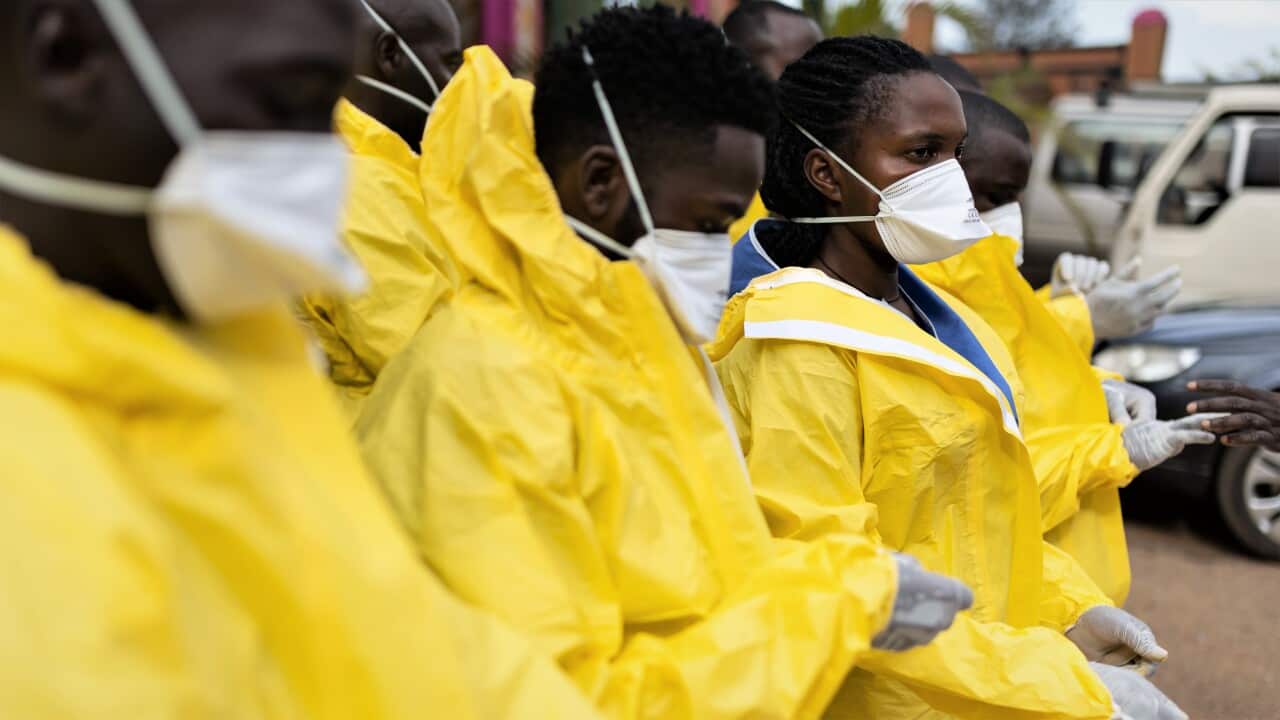
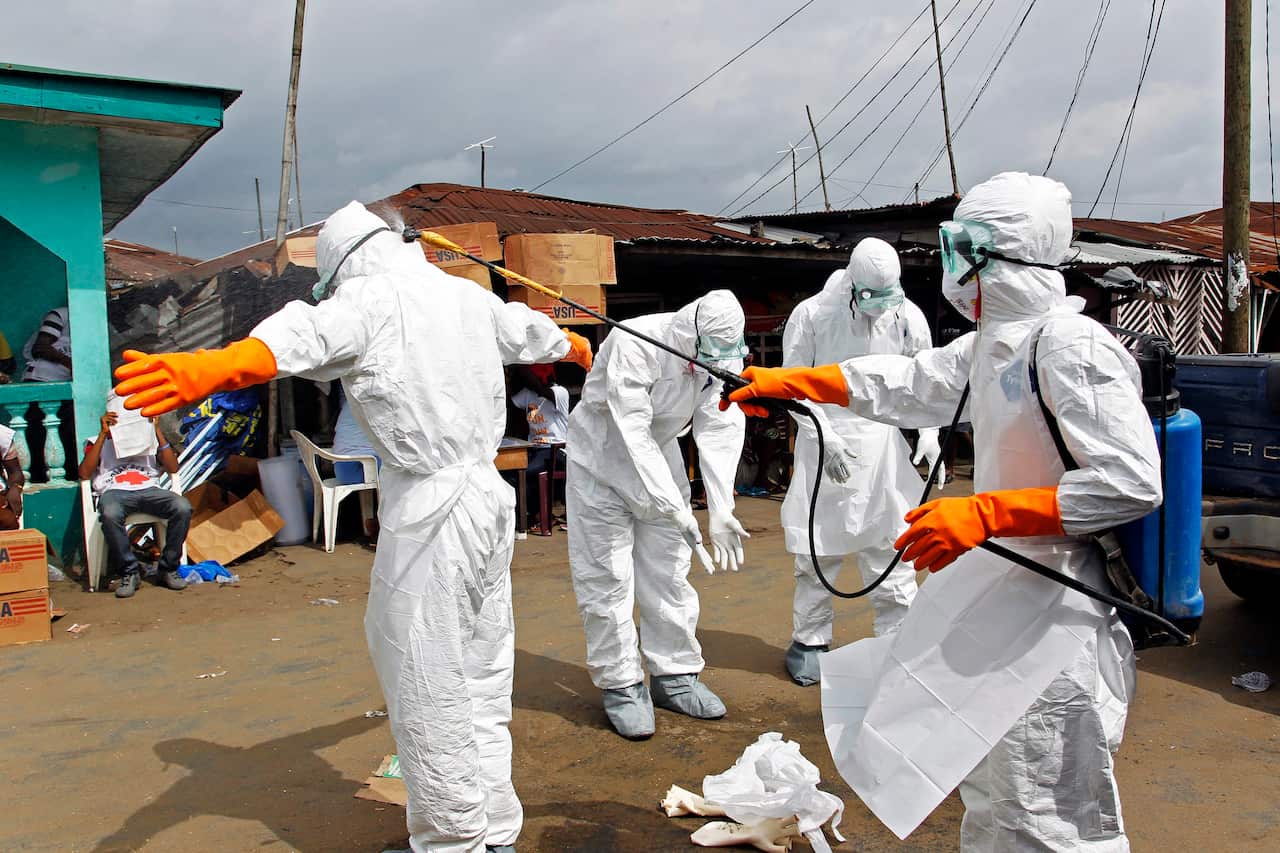
The disease can be spread via direct contact with the bodily fluids of an infected person, making medical staff treating Ebola patients the most at risk of catching the disease.
It was first reported among humans in 1976 and has since caused intermittent outbreaks in central and West Africa.
The largest of these was the 2014 Western African epidemic, which killed an estimated 11,325 people, mainly in Guinea, Liberia, and Sierra Leone.
Why is this outbreak so concerning?
Ebola has six viral strains, four of which are significant to humans, but only one of which has approved vaccines and treatments.
The WHO has said that the current outbreak is being driven by the Bundibugyo strain, for which there are currently no approved medical preventatives or specific medications.
"As such, this event is considered extraordinary," the WHO has said.
However, the Bundibugyo strain is considered less lethal than the Zaire and Sudan strains that have sparked previous outbreaks.
While those viruses have fatality rates of 80 to 90 per cent and 50 per cent respectively, Bundibugyo is thought to kill around 40 per cent of those that it infects.
That said, the virus has been spreading for weeks in a part of the world where civil war and distrust of government interventions make public health policy difficult to implement.
The first known case of this outbreak was a nurse who developed symptoms on 24 April, nearly a month before the WHO confirmed an outbreak.
"Ongoing transmission has occurred for several weeks, and the outbreak has been detected very late, which is concerning," Anne Cori, global infectious disease specialist at Imperial College London, told the BBC.
This means that health officials are trying to catch up with the spread of the disease and that there is a "potentially much larger outbreak than what is currently being detected and reported".
No risk to Australia
Based on previous outbreaks overseas, the risk of the spread of Ebola to countries like Australia is low, according to health authorities.
Even at the height of the 2014 outbreak, which affected some 28,000 people, no infections spread to the country and Australia has never recorded an Ebola infection.
The Australian Centre for Disease Control says the country has strong systems in place to prevent and respond to the disease.
The illness is much less transmissible than a disease like COVID-19 and is not thought to be airborne, except possibly by people who are very sick and unlikely to be mobile.
In 2014, Australia temporarily restricted visas to people from heavily affected nations, and humanitarian workers returning from the region were placed under public health surveillance.
The government at the time also contributed $1 million to the WHO to help control the spread of the outbreak.
A Department of Foreign Affairs and Trade spokesperson told SBS News that the government is "closely monitoring the current outbreak". They urge Australians to follow the advice on the Smartraveller website, which provides updates on health risks in travel destinations, including Ebola.
"We continue to advise do not travel to the DRC," the spokesperson continued. "We also advise exercise a high degree of caution in Uganda overall and reconsider your need to travel within 50 kilometres of the border with the DRC."
The WHO advises countries not impacted by the outbreak not to close their borders to travellers from affected regions and to prepare for the evacuation and repatriation of citizens who have been exposed to the virus.
For the latest from SBS News, download our app and subscribe to our newsletter.







