Economic growth slowed in the final three months of 2017 and economists say there is a risk it may not hit the speeds the Reserve Bank expects in the current year.
Gross domestic product growth of 0.4 per cent in the three months to December was down on the September quarter's 0.7 per cent, and left annual growth at 2.4 per cent, one percentage point below the RBA's forecast.
Household consumption drove growth in the December quarter, rising one per cent as people spent more on health services, hotels, cafes and restaurants, and recreation and culture.
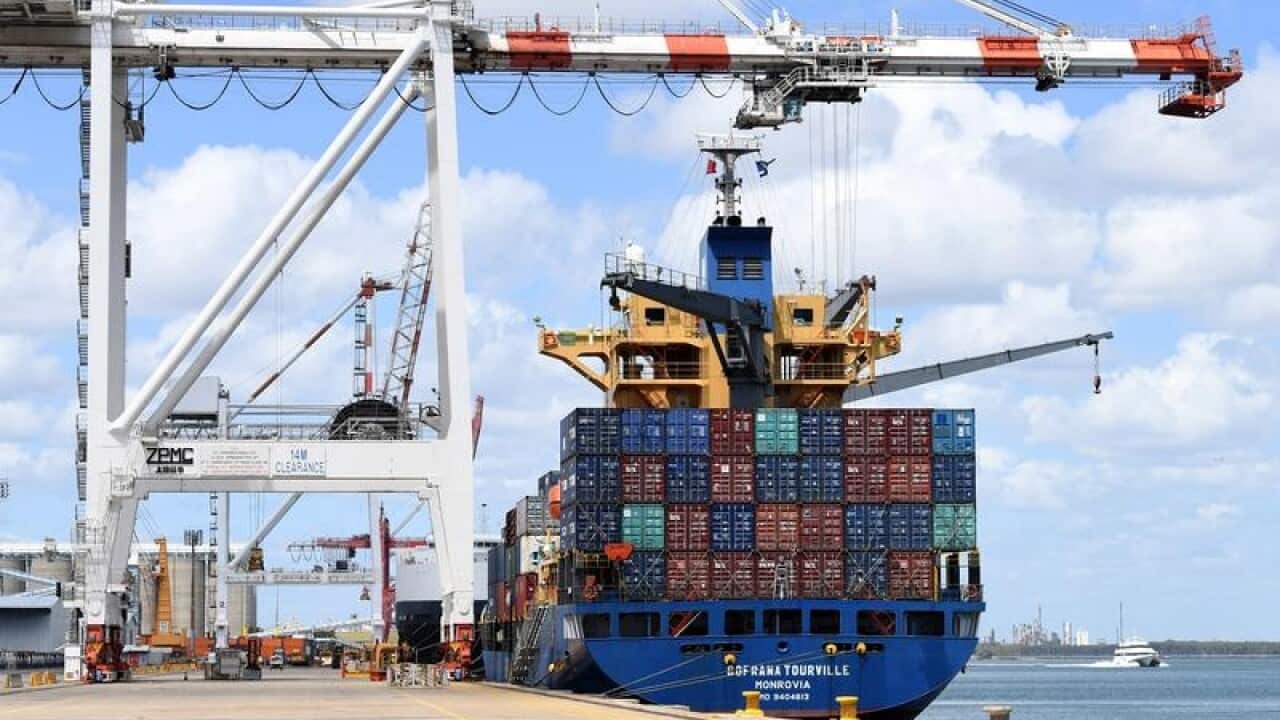
Trade was a weight on economic growth, as exports of rural goods and travel services fell, along with an expected drop in private infrastructure spending as mining investment continues to wind down.
AMP Capital economist Shane Oliver said economic growth was weaker than would be expected with such a strong labour market, which reflects a decline in productivity.
News that makes sense
Your trusted source for staying up-to-date with the world around you. Get free daily news updates and analysis, straight to your inbox.
Despite rising business investment and government spending on infrastructure, the RBA's forecast of economic growth improving to three per cent in the short term many not be reached, he said.
"Our view is that the Australian economy will strengthen somewhat in 2018 as business conditions are still very positive, which will work through the spare capacity in the economy and eventually lift inflation," Dr Oliver said.
"But that process will take some time."
JP Morgan interest rate strategist Ben Jarman said business investment and exports will improve in 2018, but the consumer could be key to improvements in economic growth.
The ratio of household disposable income in savings was 2.7 per cent in the December quarter, down from 3.9 per cent nine months earlier, and unless the strong rate of jobs growth continues, consumption will slow, he said.
"Even with the stronger investment and export outcomes we expect, the consumer is a significant constraint to GDP growth moving back up above three per cent in the near term," Mr Jarman said.
The Australian dollar got a boost from the latest GDP figures, gaining almost a quarter of a US cent after their release to be at 78.03 US cents at 1500 AEDT.







