The Australian economy is expected to have slowed its growth in the September quarter, with experts waiting to see just how heavily the country's housing market is weighing on consumption.
Economists expect data out on Wednesday to show GDP grew by about 0.6 per cent in the three months to September 30, with annual growth moderating from 3.4 per cent to 3.3 per cent.
That's still within cooee of the Reserve Bank of Australia's 3.5 per cent December forecast, but there are worries over the potential impact from a combination of still sluggish wage growth and weak household consumption linked to the declining major housing markets.
"The combination of weaker consumption and disappointing wages growth if confirmed in the GDP report would be a concern," ANZ Australian Economics co-head Felicity Emmett said.
Economists slightly trimmed their GDP forecasts after data released on Tuesday showed Australia's current account deficit fell by less than they had expected.
News that makes sense
Your trusted source for staying up-to-date with the world around you. Get free daily news updates and analysis, straight to your inbox.
The deficit narrowed 11 per cent to $10.7 billion in the three months to September, missing consensus expectations of a fall to $10.2 billion despite net exports rising by more than predicted.
But that's not where the worries are.
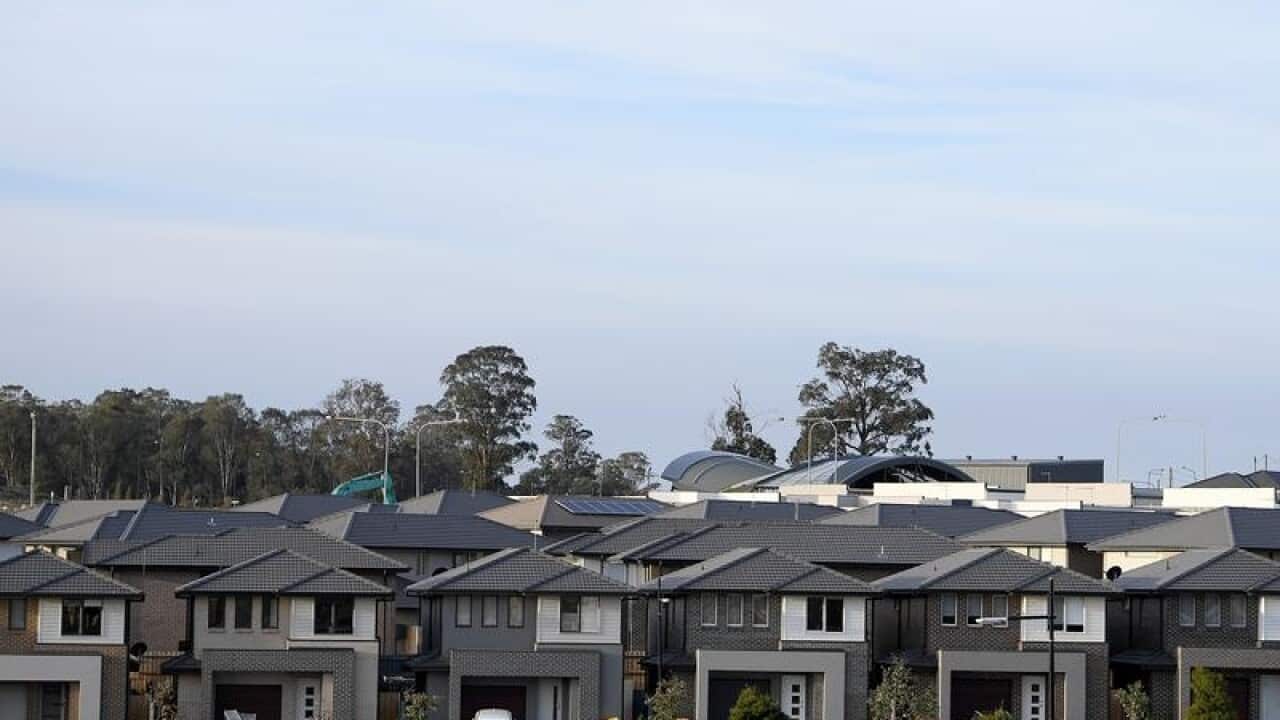
Sydney's house prices have declined by 9.5 per cent since peaking in July 2017, and are on course for their biggest crash ever.
Melbourne is following suit, leaving consumers tightening their belts as they feel less wealthy or are unable to respond to rising repayments by offloading their properties.
The Reserve Bank of Australia cited the two cities' declining housing markets as an area of potential concern when it held the cash rate at its record low 1.5 per cent on Tuesday, although the RBA said it still expects the economy to grow by 3.5 per cent this year and next.
"The RBA has so far been able to play down the implications of falling house prices, with the view that stronger growth in household income would provide enough support to consumer spending," Ms Emmett said.
"But with house price weakness accelerating, wages slow to pick up and consumption softening, the outlook may not be so rosy."
Westpac rounded down its forecast for Wednesday's GDP growth data from 0.7 per cent for the quarter to 0.6 per cent, with annual growth forecast at 3.3 per cent - little changed from the 3.4 per cent in the previous print.
ANZ is more pessimistic, predicting 0.5 per cent for the quarter and 3.2 per cent for the year.







