THE BIGGEST ISSUE IN THE NSW ELECTION: ELECTRICITY PRIVATISATION.
* WHAT'S THE PLAN?
Premier Mike Baird wants to lease 49 per cent of the NSW electricity network for 99 years for about $13 billion, helping create a $20 billion infrastructure fund.
* WHAT'S BEING PRIVATISED?
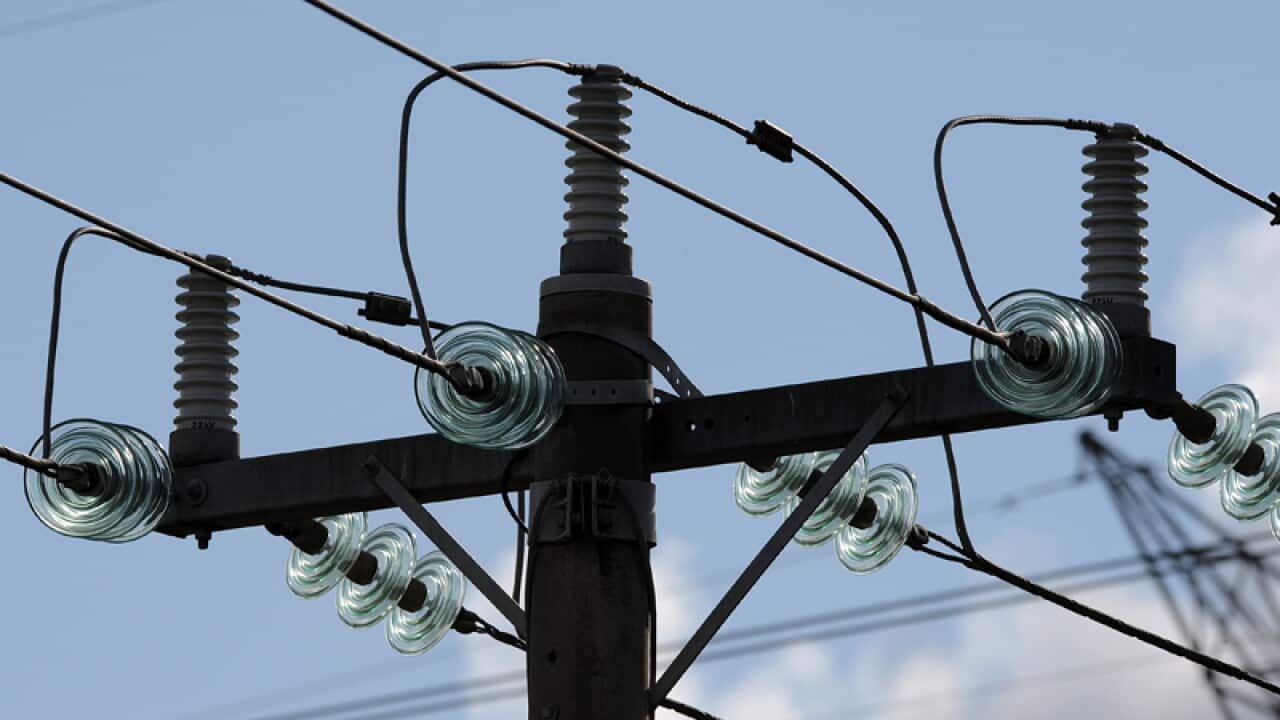
Just under half the 283,000km of power lines that comprise the state's electricity "poles and wires".
News that makes sense
Your trusted source for staying up-to-date with the world around you. Get free daily news updates and analysis, straight to your inbox.
Essential Energy, which covers most of rural and regional NSW, will remain 100 per cent government owned.
Ausgrid, which supplies Sydney and the Hunter region, and Endeavour, which serves western Sydney and the Illawarra, will be in majority private control.
Transgrid, owner of the state's 14,000km of high voltage transmission lines, will be 100 per cent privatised.
* WHY SHOULD WE DO THIS?
Mr Baird says the infrastructure sale will raise a one-off windfall that can unlock $20 billion (including interest and $2 billion in federal funding) to be spent on roads, rail, education and health, even the Opera House.
He also says privatising will result in greater efficiency and lower electricity prices.
An Ernst & Young report commissioned by the NSW government says from 1996 to 2013 electricity bills rose more in states with publicly owned networks.
Mr Baird calls the networks "risky" assets that are best rented out to raise a lump sum for vital infrastructure.
NSW Treasury says dividends and payments to government from the networks will be $765 million less in three years' time, falling from $1.17 billion in 2014/15 to $407 million in 2017/18.
* WHY SHOULDN'T WE DO THIS?
The Labor opposition and unions say privatisation will forego hundreds of millions in public income each year from ownership and will result in higher prices and worse service as owners pursue profits.
Unions warn thousands of electricity industry workers will lose their jobs.
A McKell Institute report warns the government is selling off assets that make money to fund building assets that cost money to run, putting a load on the budget and possibly the state's credit rating.
AER statistics show Australia's highest electricity bills - $2388 a year - are in South Australia, a privatised network. SA also has the highest rate of customer disconnections.
ACCC chairman Rod Sims says the "cost structure of the energy networks is much higher in NSW and Queensland" than in states with privately owned networks.
Network upgrades have been the big driver of prices in NSW and Queensland and a report by Ernst & Young says Victoria and South Australia, which have not been investing as much, now face upgrades "which may require substantial further investment".
* WHY DOES ANYONE WANT TO BUY THEM?
These are monopoly assets with a guaranteed revenue stream.
Consultants Ernst & Young say infrastructure is an increasingly attractive asset class for investors.
Global and local investors, such as China State Grid, may be attracted "by either the opportunity to enhance the asset and make further efficiency gains or hold the assets as a long-term yield opportunity".
Treasurer Andrew Constance says private sector management "will drive out and weed out inefficiencies in these businesses in a way that the public sector can't."
WILL BILLS GO UP OR DOWN?
One part of your bill - the network charge component - will fall, or increase more slowly, regardless of ownership.
NSW distributors invested billions in upgrades in recent years at customers' expense but the Australian Energy Regulator, which sets prices, is cutting back on allowable spending.
Sources: Ernst & Young Electricity Network Services report; AER Performance of the Retail Energy Market Report 2013/14; McKell Institute report Nothing to Gain, Plenty to Lose; NSW Govt Rebuilding NSW: Update on Electricity Networks.







