
As the Brexit deadline fast approaches, the UK Supreme Court's bombshell ruling just made life for Boris Johnson much harder.
Eleven judges unanimously found his decision to suspend Parliament in the lead up to the 31 October deadline for Britain to leave the European Union was unlawful.
In a damning verdict, they said the lengthy suspension "had the effect of frustrating or preventing the ability of parliament to carry out its constitutional functions".
News that makes sense
Your trusted source for staying up-to-date with the world around you. Get free daily news updates and analysis, straight to your inbox.
So, can the populist leader survive the latest blow in a tumultuous two months at the top and deliver on his ultimate goal to achieve Brexit?
Will Johnson resign?
Opposition Labour leader Jeremy Corbyn was quick to call on Mr Johnson to "consider his position", remarks echoed by other political figures.
And while other leaders would not be able to survive the fallout of such a blow, Mr Johnson appears as determined as ever to stay in the job.
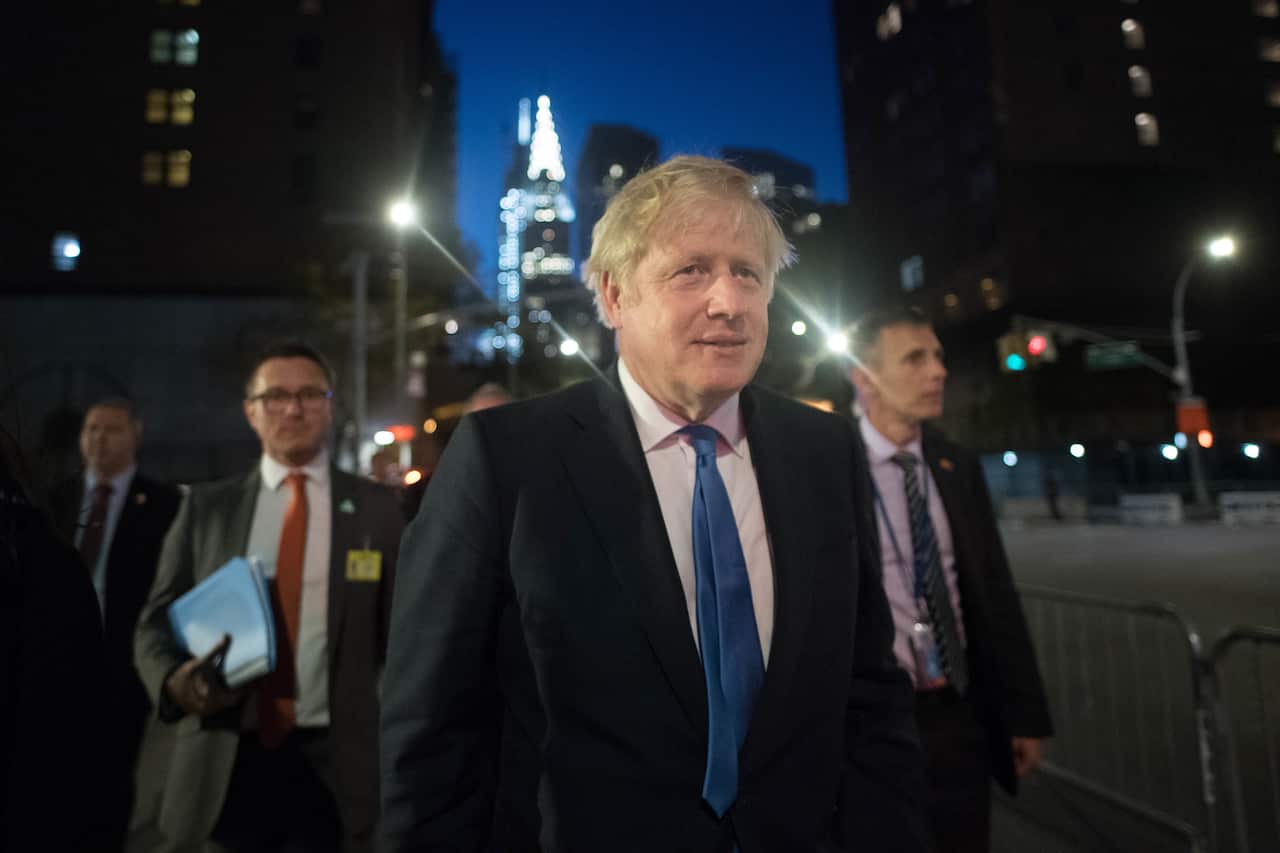
Speaking from New York, Mr Johnson said he "strongly disagreed" with the Supreme Court decision, but would respect it.
Professor Bruce Wilson, director of RMIT’s European Union Centre, said Mr Johnson has shown his persistence and determination to be prime minister.
"As you would expect, Boris is defiant and there’s no particular reason to think that he won’t be able to work his way through this situation also," he said.
"Secondly, he has totally committed to delivering Brexit on the 31 October.
"He seems determined to I think quite literally let nothing get in his way of that."
Will the ruling make Johnson more popular with the people?
Although his position in parliament is weak, Mr Johnson has so far used that to his advantage.
Despite his privileged upbringing, Boris Johnson has presented himself as on the same side as the British people while accusing the Parliament of standing in the way of their will.
That's worked so far with opinion polls suggesting his battles with MPs over Brexit are actually making him more popular with voters.
ANU Law Professor Anne McNaughton said it was a similar phenomenon that had enabled US President Donald Trump to survive numerous scandals and allegations of inappropriate behaviour.
"I do find it somewhat ironic that people like Boris Johnson, given his very privileged background and upbringing… that people who are so far removed from that context and experience never the less identify with him as their representative. I think we’re going to be in some interesting terrain."
Professor Wilson said the court's decision and a chaotic few weeks in Parliament ahead could tip public opinion against him.
"It is getting to the point where there will be many many UK citizens starting to wonder what on earth they’ve got themselves into.
"When the very institutions at the heart of their political life are being called into question, then I think they’ll be wondering just what it is they’ve been landed with."
Will Brexit be delayed?
Mr Johnson famously declared this month that he would rather be "dead in a ditch" than ask for yet another extension, more than three years after Britons narrowly voted in a referendum to leave the EU.
But he may not have a choice after the majority of MPs passed a law that would force Mr Johnson to request at least a three-month delay to Brexit to 31 January 2020, rather than proceed with a no-deal split.
While Mr Johnson and his advisors scramble to find a loophole in that legislation, ANU law professor Anne McNaughton said he should think twice about defying Parliament's wishes again after the Supreme Court ruling.
"It’s put some firmer containment lines … around the government, in terms of the government’s accountability to the Parliament," Professor McNaughton said.
British MPs will now look to maximise their time in Parliament to scrutinise Mr Johnson's progress in negotiations with the EU and question his efforts to comply with the legislation and seek an extension.
"It’s unlikely to be a happy conversation for Boris Johnson," Professor Wilson said.
Can a deal be struck before it's too late?
Mr Johnson could still keep to the 31 October deadline if he manages to secure a deal with the EU that wins the approval of a majority of MPs - but it is a huge task.
Professor Wilson predicted he could pull it off just in time.
"For that to happen Johnson’s government will need to move much quicker than they have so far in trying to negotiate for a set of alternative arrangements for the Irish backstop with the EU," he said.
His predecessor Theresa May struck exit terms with Brussels last year but MPs rejected them three times.
Mr Johnson had hoped his threat to walk away without a deal would persuade EU leaders to renegotiate.
However, he says he believes an agreement is still possible before a summit of EU leaders in Brussels on 17-18 October, in time to leave on 31 October.
Will there be an early election?
If it was up to Mr Johnson, Britons would soon be heading to the polls.
But his attempts to call an election before 31 October to resolve the impasse failed because, unlike Australia, two-thirds of MPs need to agree before an early election can happen.
Opinion is split on whether the court ruling makes it more or less likely for an early election.
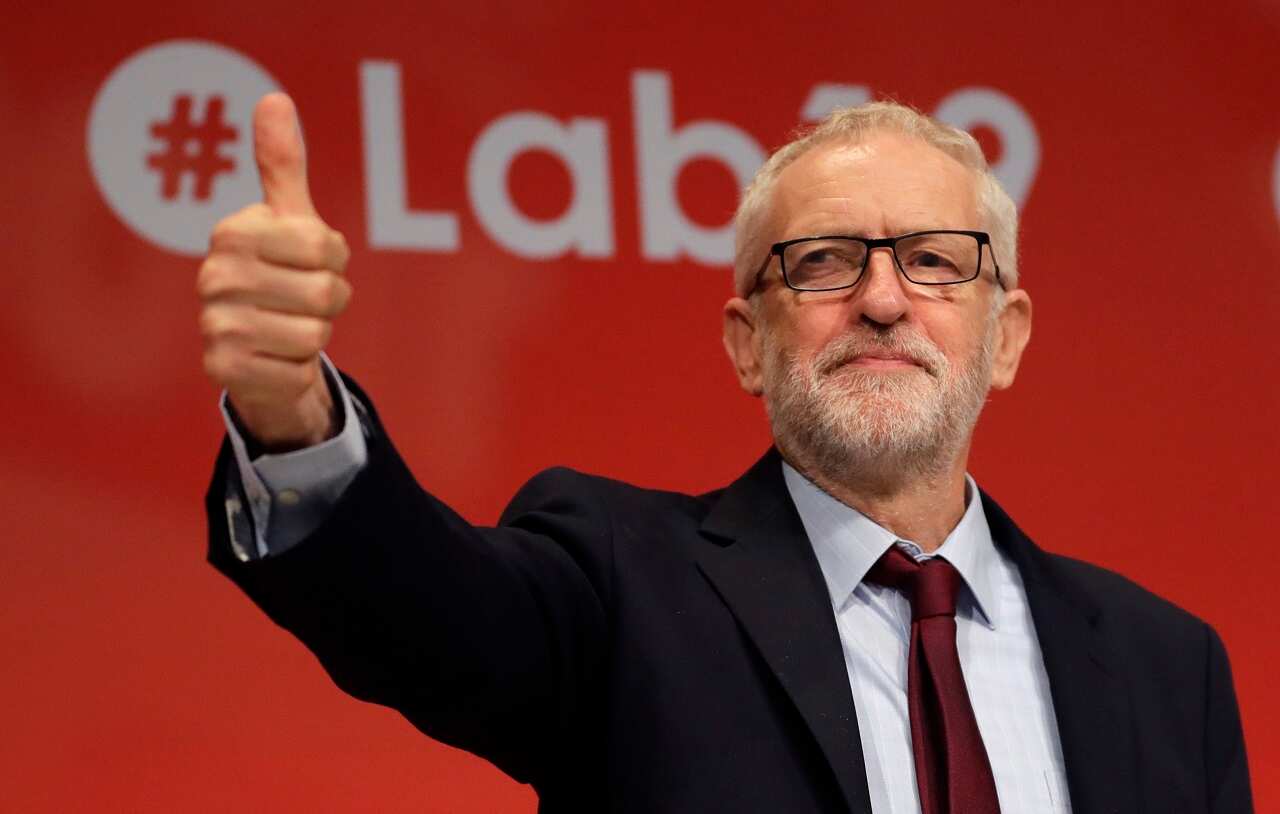
Labour has said it would only back an election once "no deal" was off the table, with commentators looking towards a poll in November or December.
If Mr Johnson wins a subsequent election, or can forge a pact with the eurosceptic Brexit Party, he could still force through a "no deal" divorce in the months ahead.
If Labour wins, the party has promised to hold a new referendum, with an option to remain in the European Union - which could see Brexit cancelled.
Additional reporting by AFP







