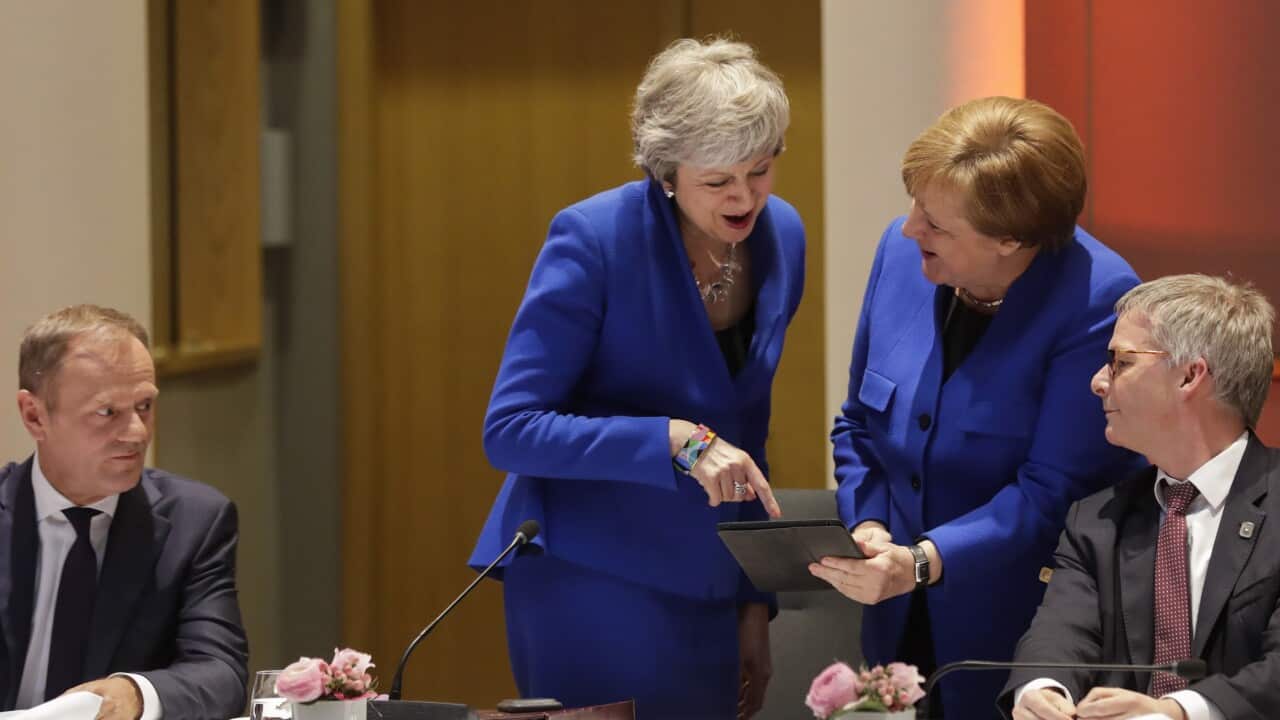
European leaders have offered Britain a six-month delay to its Brexit departure Thursday, apparently saving the continent from a chaotic no-deal departure at the end of the week.
If British Prime Minister Theresa May accepts the extension and London remains in the EU after May 22, British voters will have to take part in European parliamentary elections.
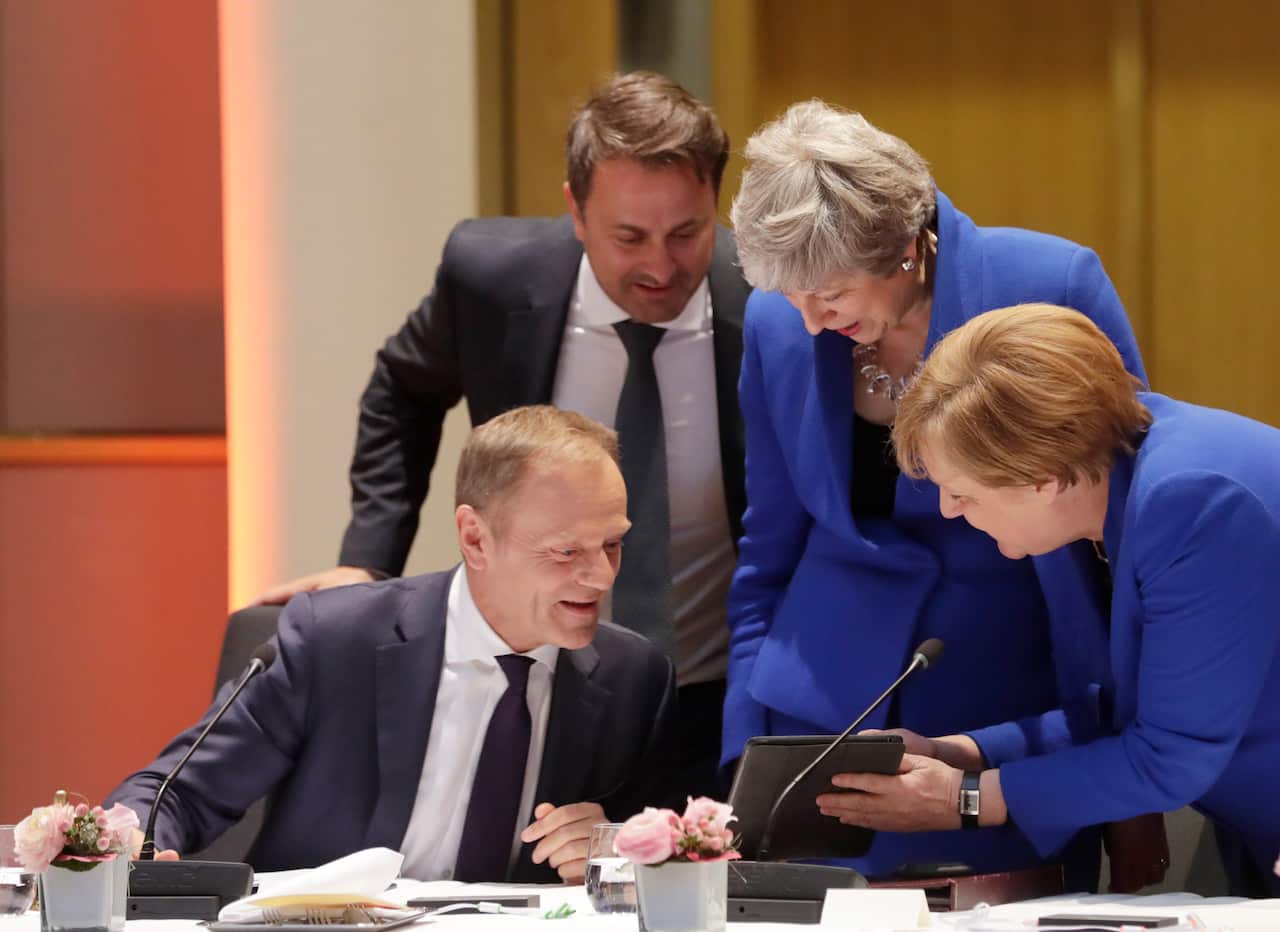
On Wednesday, an emergency summit was held to discuss how much longer to give Ms May to deliver an orderly divorce - and what conditions to attach.
News that makes sense
Your trusted source for staying up-to-date with the world around you. Get free daily news updates and analysis, straight to your inbox.
French President Emmanuel Macron arrived in a combative mood, demanding Britain set out a clear path forward and dismissing reports the leaders had already decided to give May space of up to a year.
Without a delay, Britain is due to end its 46-year membership of the European Union at midnight on Friday with no deal, risking economic chaos on both sides of the Channel. May has said she will need until June 30 to ratify the withdrawal agreement.
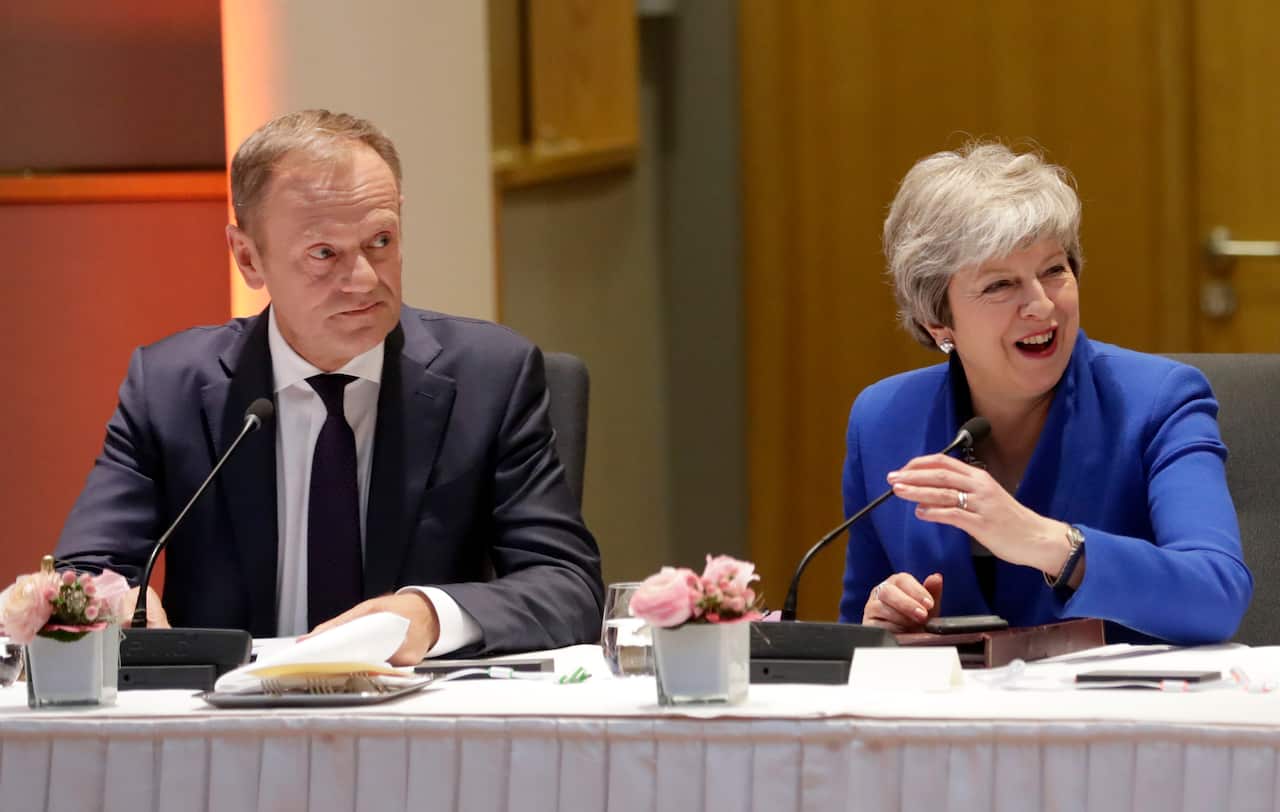
European Council president Donald Tusk, the summit host, proposed "a flexible extension" and Germany's Chancellor Angela Merkel also said the EU leaders might well back a delay "longer than the British prime minister has requested".
But, as he arrived, Macron warned: "For me, nothing is decided, nothing, and in particular, since I hear rumours, not a long extension."
He repeated his insistence that May must provide more guarantees that the delay would serve a useful purpose, saying he wanted to hear "what is the political plan behind it".
May agreed to a divorce deal with the EU last November but MPs in London have rejected it three times, forcing her to turn to the main opposition Labour party in a bid to find a way through.
'As soon as possible'
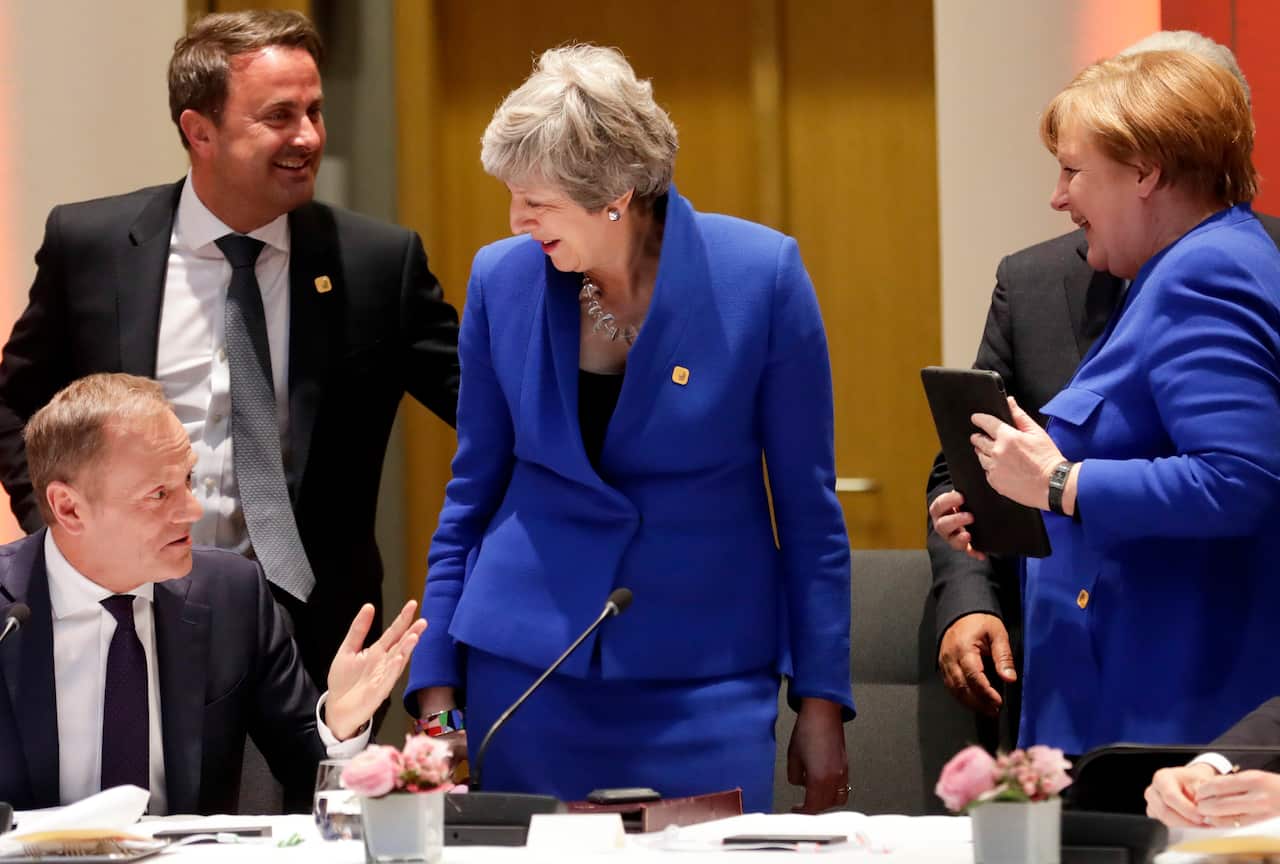
As she arrived, May said she wanted to leave the EU "as soon as possible".
"I've asked for an extension to June 30 but what is important is that any extension enables us to leave at the point at which we ratify the withdrawal agreement," she said.
She said she still hoped to leave the EU on May 22, the last day before Britain must hold European Parliament elections.
EU leaders have already agreed one delay to Brexit, from March 29 to April 12, and Tusk has warned there is "little reason to believe" the British parliament can ratify May's deal by June 30.
A draft copy of the summit conclusions seen by AFP before the leaders sat down to finalise it said: "an extension should last only as long as necessary."
"If the withdrawal agreement is ratified by both parties before this date, the withdrawal will take place on the first day of the following month," the draft says.
Czech Prime Minister Andrej Babis said he expected EU leaders to delay Brexit for "much more time" than May asked, on condition that it holds European elections.
Britain has already reluctantly begun preparations for the polls, setting the date for May 23, although officials insist they could still cancel it at the last minute.
The draft conclusions say that if Britain fails to take part, it will leave the bloc on June 1.
If an extension is agreed, Brussels will portray it as a concession to Britain, with some members - particularly France - not keen to see the disruptive Brexit drama drag on much longer.
EU members wanted to ensure that a semi-detached Britain does not seek leverage in Brexit talks by intervening in choosing the next head of the European Commission or the next multi-year EU budget.
May's ministers have begun cross-party talks with Labour on a compromise to get the withdrawal agreement through the House of Commons.
Labour leader Jeremy Corbyn wants Britain to commit to remaining within the EU customs union, an idea that many in Europe would be keen to accommodate.
"We would be generous in negotiating that, understanding that the UK couldn't be a silent partner in such an arrangement - it would have to have a say in decisions being made," Irish premier Leo Varadkar said as he arrived at the summit.







