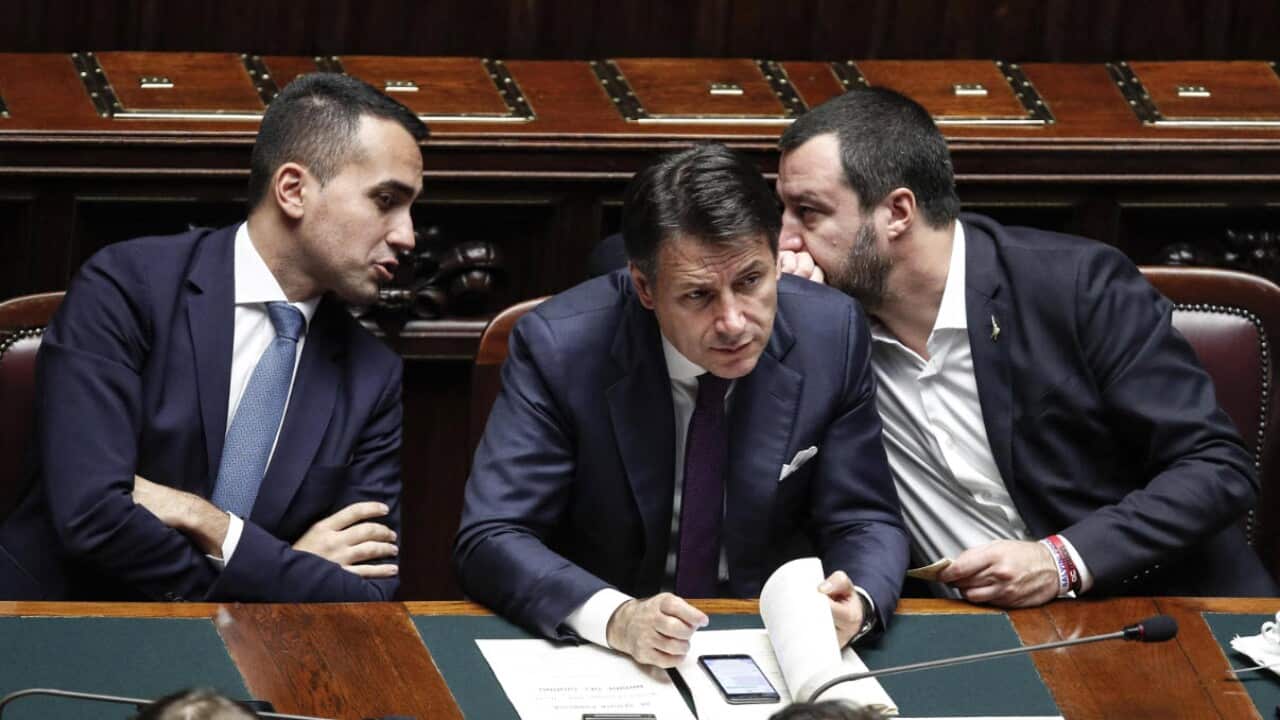
Brussels officially rejected Italy's big-spending budget on Wednesday, clearing the path for unprecedented sanctions and deepening a bitter row with Rome's populist government.
The conclusion by the European Commission, the EU's executive arm, was harsh but expected, coming just weeks after it had sent back Italy's 2019 budget, in a historic first for the bloc.
Italy refused to back down after the Brussels ultimatum, setting the stage for Wednesday's final opinion that deplored "a marked backtracking" by Rome on past reforms.
News that makes sense
Your trusted source for staying up-to-date with the world around you. Get free daily news updates and analysis, straight to your inbox.
"With what the Italian government has put on the table, we see a risk of the country sleepwalking into instability," Commission Vice President Valdis Dombrovskis told a press conference in Brussels.
"We conclude that the opening of a debt-based excessive deficit procedure is... warranted," he added, referring to the EU's official process to punish member states for over-spending.
The coalition government, made up of Salvini's League and anti-establishment Five Star Movement (M5S), insists the budget will help kickstart growth in the eurozone's third largest economy and reduce debt.
But the EU says the Italian budget abandons belt-tightening for a spending spree that includes a basic monthly income for the unemployed and a pension boost.
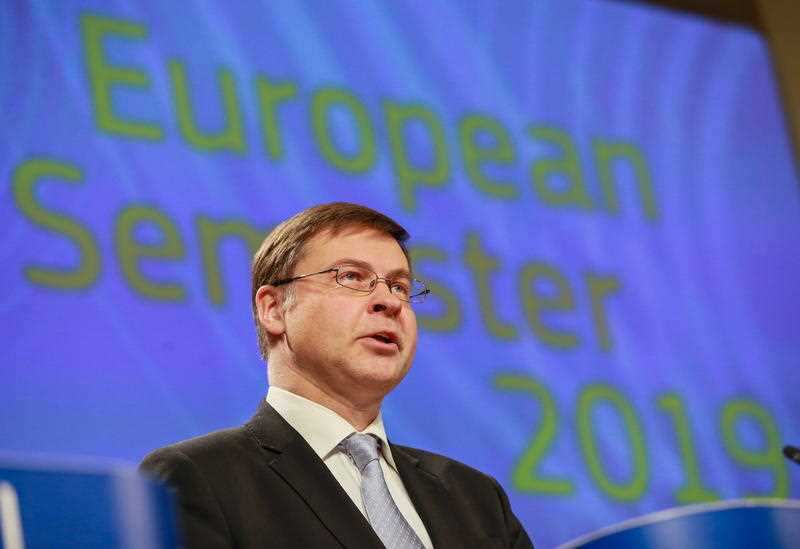
With its opinion, EU member states now have two weeks to decide whether to allow the commission to trigger the excessive deficit procedure, a months-long process that could lead to fines.
Once activated, the process allows Rome the opportunity to negotiate and correct its ways before Brussels can inflict a sanction of up to 0.2 percent of Italy's GDP.
Few in Europe expect that Italy's populist coalition will concede on the matter, at least until European elections next May, where the government hopes to ride a wave of anti-EU sentiment.
"Has the EU letter arrived? I am also waiting for Santa Claus," said the far-right deputy prime minister Matteo Salvini, adding: "We will respond to the EU in an educated way."
Eyes on markets
All eyes now are on the markets, which could raise the pressure on Rome to kowtow to Brussels,and even split the ruling coalition in Italy.
"While the government's stance may be tenable in the short and medium-term, it will only be sustainable if market conditions don't deteriorate significantly," said Mujtaba Rahman, a political analyst at Eurasia Group.
The closely-watched "spread" - the difference between yields on 10-year Italian government debt compared with those in benchmark Germany - reached 316 basis points Wednesday, down from 326 late on Tuesday.
It has more than doubled since May when negotiations to form the coalition government in Rome began, but is lower than the roughly 400 mark that Italy argues is the danger zone.
In its budget, Italy intends to run a public deficit of 2.4 percent of gross domestic product in 2019 - three times the target of the government's centre-left predecessor - and one of 2.1 percent in 2020.
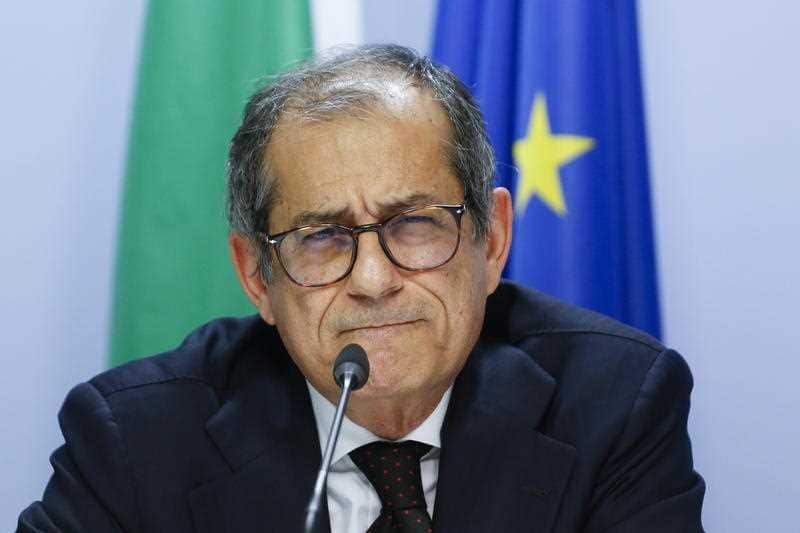
Brussels forecasts Italy's deficit will reach 2.9 percent of GDP in 2019 and hit 3.1 percent in 2020 - breaching the EU's 3.0 percent limit.
But Italy's big spending boost received a vouch of support from the OECD, the Paris-based organisation of developed countries.
"Does (the draft budget) question the sustainability of debt today? We don't think so. It is stabilising at its level," OECD chief economist Laurence Boone said.
"Obviously, there should not be a shock to growth, but for the time being (the debt) is stabilising."







