
Europeans are voting in an election that's expected to further dent traditional pro-EU parties and bolster the nationalist fringe in the European Parliament, putting a potential brake on collective action in economic and foreign policy.
Right-wing populists top opinion polls in two of the big four member states - Italy and supposedly exiting Britain - and could also win in a third, France, rattling a pro-Union campaign championed by centrist President Emmanuel Macron.
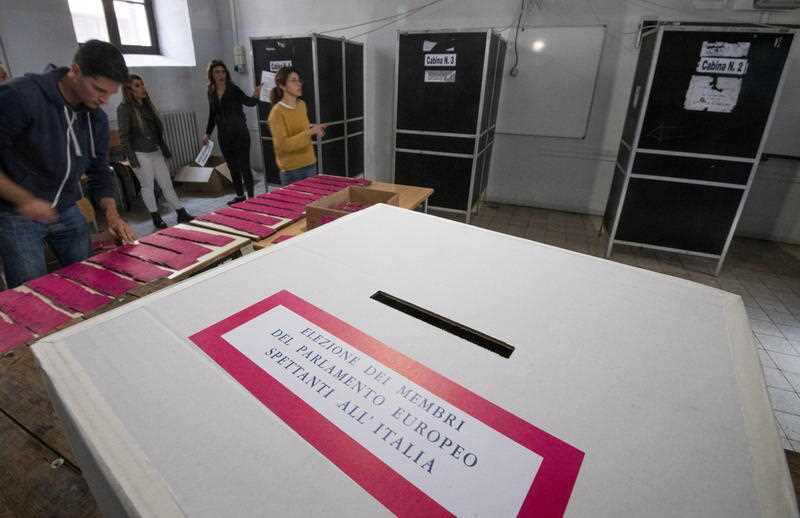
However, exit polls in some countries that have already voted have given pro-EU parties some comfort. The Dutch Labour party, all but written off, looks to have finished first, helped by the visibility of having the EU socialists' lead candidate, current EU deputy chief executive Frans Timmermans.
News that makes sense
Your trusted source for staying up-to-date with the world around you. Get free daily news updates and analysis, straight to your inbox.
In the Netherlands, pro-Union parties scored 70 per cent, up three points on the last European Parliament vote in 2014, and left the upstart anti-immigration party of Thierry Baudet fourth on 11 per cent.
The Dutch also turned out in bigger numbers, albeit at just 41 per cent, reinforcing hopes in Brussels of reversing a 40-year trend of declining turnout that critics cite as a "democratic deficit" that undermines the legitimacy of European Union lawmaking.
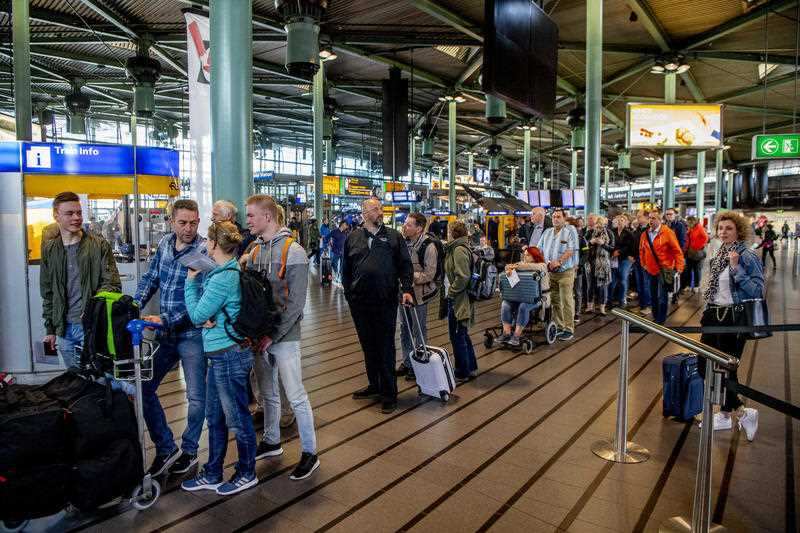
An exit poll after Friday's vote in deeply pro-EU Ireland pointed to an expected "Green Wave".
Across the bloc, concerns about climate change and the environment may bolster the pro-EU Greens group and could mean tighter regulations for industry and for the terms the EU may set for partners seeking trade accords.
Britain also voted on Thursday and a new party focused on getting out of the EU was forecast by pre-vote opinion polls to come top, but there has been no exit poll data. Attention there has focused on the resignation of Prime Minister Theresa May.
Results will be out late on Sunday, when all countries have voted.
The challenges facing the European project include unprecedented transatlantic slights from a US president who fetes Europe's populists, border rows among its own members over migrants and an economy hobbled by public debt and challenged by the rise of China.
The result will usher in weeks of bargaining among parties to form a stable majority in the Parliament, and among national leaders to choose successors to European Commission President Jean-Claude Juncker and other top EU officials.
Many expect a clash as early as Tuesday, when leaders meeting in Brussels are likely to snub Parliament's demands that one of the newly elected lawmakers should run the EU executive.







