Visiting EU foreign policy chief Catherine Ashton has urged Egypt's interim leaders to free Mohamed Morsi, as supporters of the ousted Islamist president rallied against the new government.
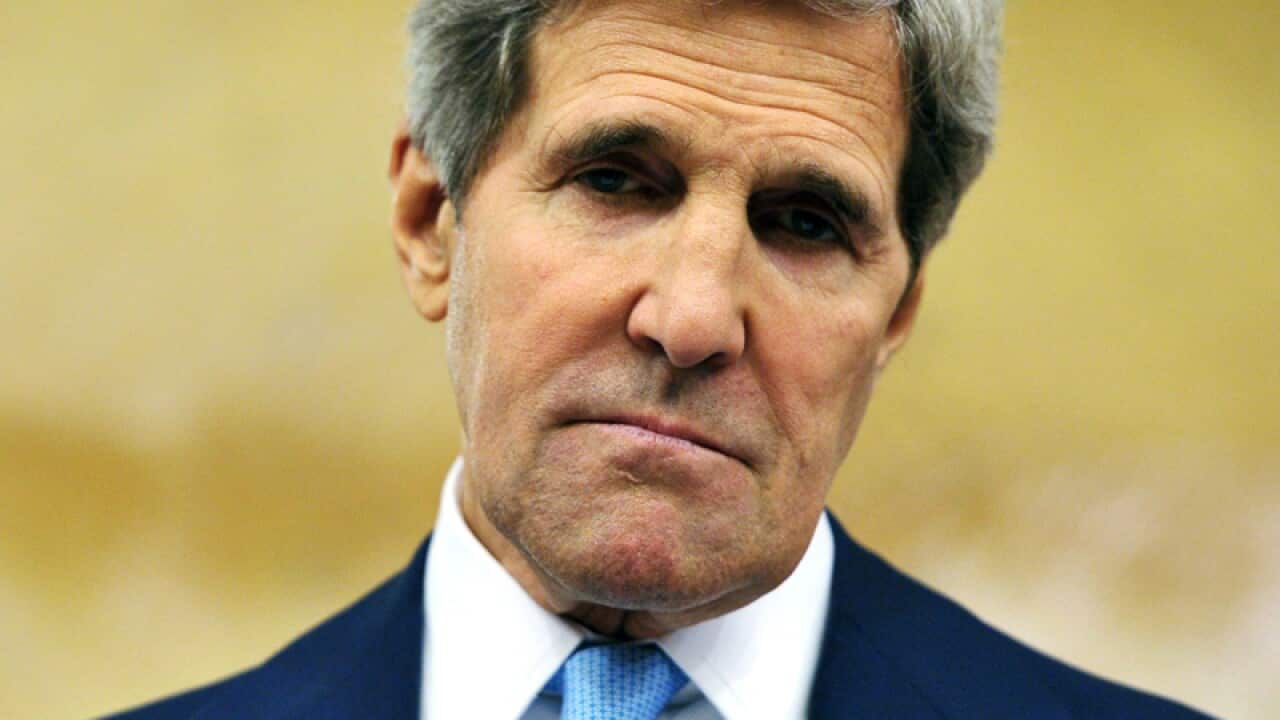
Speaking in Amman on Wednesday, US Secretary of State John Kerry said it was "much too early" to judge the future course of the Arab world's most populous nation and key Washington ally.
But he said the 34-member caretaker cabinet, sworn in a day earlier and headed by former finance minister Hazem al-Beblawi, was comprised of "extremely competent people".
The new administration faces a raft of daunting challenges, including restoring security and overcoming deep divisions illustrated by Wednesday's pro-Morsi protests in central Cairo.
Several thousand people gathered near the cabinet headquarters, shouting anti-government slogans.
News that makes sense
Your trusted source for staying up-to-date with the world around you. Get free daily news updates and analysis, straight to your inbox.
The demonstrators then marched peacefully in the direction of Cairo University, across the Nile, carrying banners that read: "Retaliation for the martyrs" and "Down with military rule".
Ashton meanwhile held talks with Egypt's new leaders, members of the grassroots anti-Morsi movement Tamarod and officials from the Freedom and Justice Party (FJP), the political wing of Morsi's Muslim Brotherhood.
The EU's top diplomat said she regretted not having been able to meet the Islamist leader himself. Morsi has been held in custody since being overthrown by the military on July 3 after massive nationwide protests against his rule.
"I believe he should be released," she told reporters. "I was assured he is well. I would have liked to see him."
Senior FJP official Amr Darrag told the state MENA news agency of Wednesday's meeting: "The delegation didn't come to ask the EU anything, the meeting took place at Ashton's request."
Ashton told Egypt's interim leaders that the EU wanted "a quick return to the democratic process, and a full, inclusive process", her spokesman Michael Mann told AFP.
She also stressed "the need to get the economy going as quickly as possible" in a country where a quarter of the population lives below the poverty line.
In Jordan, Kerry also stressed the need for stability and an all-inclusive political process.
"Very clearly, order needs to be restored, stability needs to be restored, rights need to be protected ... and the country needs to be able to return to normal business," he told reporters.
"We are concerned about political arrests and we are concerned about people being able to participate," Kerry added.
There was fresh violence meanwhile in the Sinai peninsula on Wednesday, where gunmen shot dead a police conscript in El-Arish, the northern region's main town.







