

SBS World News can reveal the remains of King Richard III, unearthed more than 500 years after they were buried under what is now the English city of Leicester, were identified with the help of three Australian relatives.
It began with an unexpected telephone call, momentarily dismissed by Australian Wendy Duldig as a prank, and ended with the positive identification of England’s 500-year-old missing monarch, King Richard III.
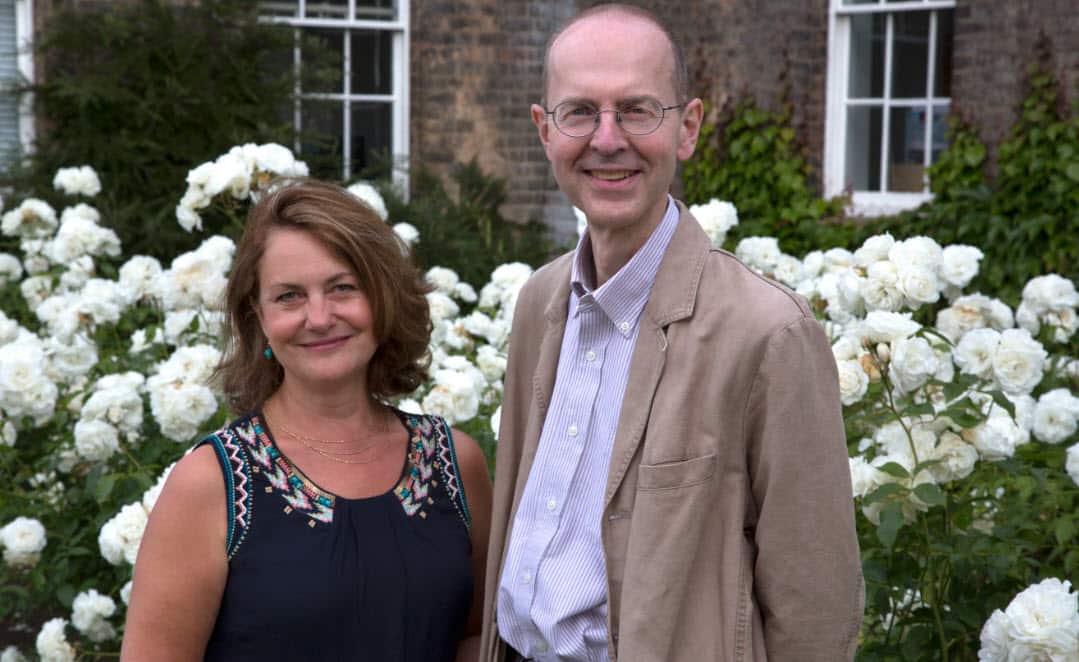
“It must have been a very strange experience for her to pick up the telephone and hear me say 'I think you're related to a medieval monarch – can we possibly meet?'," Kevin Schürer, from the University of Leicester, told SBS.
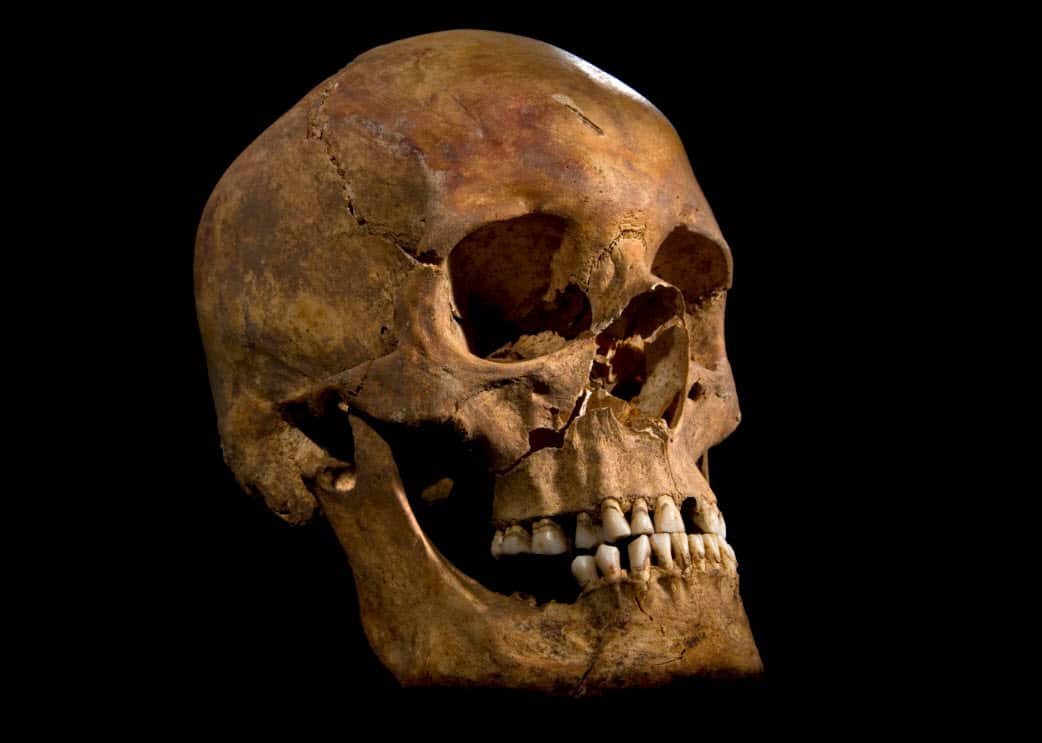
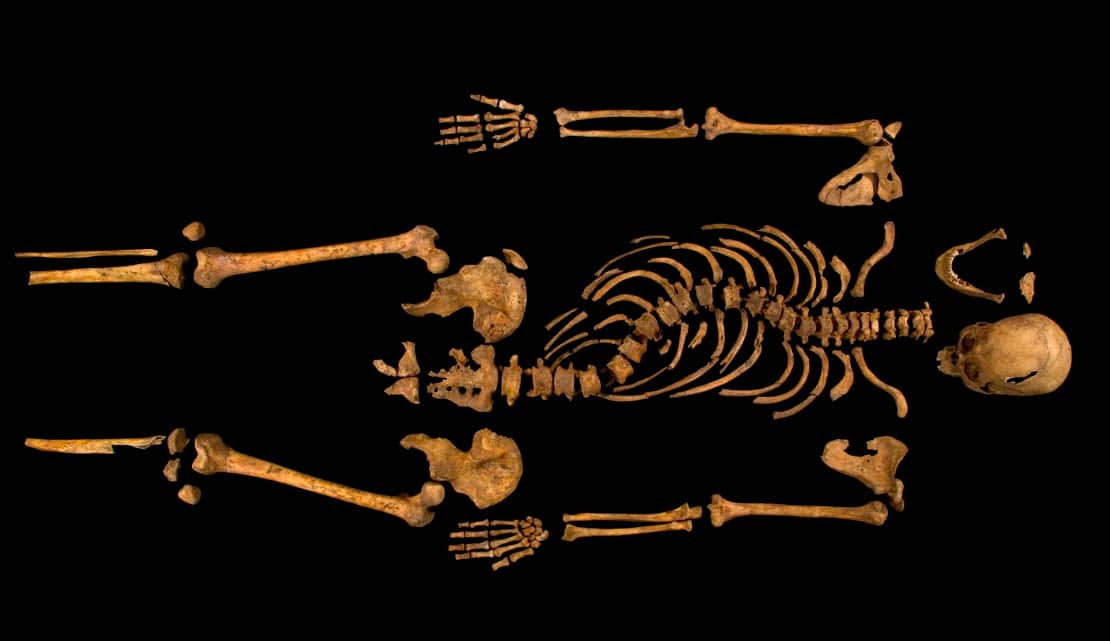
After unearthing a battle-scarred skeleton with spinal curvature from beneath a Leicester carpark in August 2012, a team of researchers, archaeologists and historians spent the next six months working to confirm the identity of the bones hurriedly buried five centuries earlier in what was the friary of Grey Friars.
“"We are all related to Richard III," said Dr Turi King from the University’s Department of Genetics.
"It's just a matter of degree."
In order to carry out a mitochondrial DNA comparison, researchers searched for modern, living relatives whose relationship to Richard III was by an entirely female line.
While one such relative, Canadian-born Michael Ibsen, had been found a decade earlier, a second female line relative was required for the team's DNA comparison to be conclusive.
Painstaking research led the team to believe the Australian, whose British descendants migrated to Australia in the 1800s, was the niece, 18 generations removed, of King Richard III.
"She had no idea," Mr Schürer said.
“Wendy had heard about the excavation and there was a story in her family about how she was actually related to the Tudors and Henry VIII and that is actually true.”
"I don't think the family had ever realised though that there was this really quite unique and distinctive female dine descent from Richard the Third’s sister, Anne of York, all the way down to the present day."
"She was, I think, initially very shocked by that news, but equally quite humbled, allowing part of the DNA that has been passed through her family to her, to give that to the project in such a critical way."
The DNA sample Ms Duldig provided to the University of Leicester returned with just a single letter different to the DNA code collected from the skeletal remains.
"If you bring together all the strands of evidence – archaeology, osteology, genetics and genealogy – you come up with a statistical number of the likelihood of these being the remains of Richard III," Dr King told SBS.
"And that number is 99.999 per cent, at its most conservative.”
"The evidence is overwhelming that these are the remains of King Richard III."
As Richard the Third left behind no living descendants, Dr King's search for male line relatives led to Edward III, Richard III’s great, great grandfather.
Two other Australians, who have asked to remain anonymous, were identified as relatives of Henry Somerset, the 5th Duke of Beaufort, who was 15 generations removed from Edward III by an all-male line.
Both provided DNA samples, which Dr King and her team was able to positively match to the skeleton's Y chromosome with 6.7 million to 1 certainty.
'This project has been life changing'
King Richard III is the last English Monarch to die in battle, fatally wounded just two years into his reign at the Battle of Bosworth in August 1485, where his crown was seized by Henry Tudor, whose was crowned King Henry VII two months later.
Speculation about his appearance and final resting place have persisted for generations.
The genealogical analysis revealed King Richard III was likely to have had blonde hair and blue eyes, while the painstaking forensic examination of his skeletal remains revealed a major injury in the interior surface of the skull, suggesting a fatal blow to the 32-year-old King was killed by a sword or axe thrust from the base of the neck all the way up to his head.
“We’ve got four of the five who gave their DNA coming to the reinterment ceremony and they will meet as a group for the first time ever," Mr Schürer said.
"One is coming from Brisbane, Australia, and will meet up with distant cousins from England, from Scotland: Sussex, Northhamptonshire and Aberdeen."
“This group has never met before, they've never communicated before.”
"And we can sit them down together at the same time and introduce them to each other as cousins."
“This project has been life changing for all of the people involved.”
'You couldn’t write a script for this if it was a film'
The former King's remains will make their first public appearance in five centuries on Sunday March 22, when they will be carried through the grand entrance doors of the University of Leicester in a wooden coffin, handcrafted by his 17th great grandnephew.
After being farewelled by the research team, a cortege will transport his mortal remains to the Bosworth Battlefield, where more than 1,000 people will gather for a short ceremony.
The King's coffin will return to Leicester City, carried by horse-drawn hearse past the carpark under which his remains were unearthed and into Leicester Cathedral.
“The reinterment of Richard III will be a momentous occasion and I am sure it will resonate throughout the county for years to come," said County Council leader Nick Rushton.
The public will have three days to view the former King’s coffin inside Leicester Cathedral, before a Service of Reinterment and the unveiling of a new tomb during a grand gathering of relatives, The Countess of Wessex and the Duke and Duchess of Gloucester.
It will be a much different to the farewell King Richard III was given 500 years earlier.
"It was a hurried burial," said Reverend Peter Hobson, from Leicester Cathedral.
"It was a squashed grave."
"It was the opposite of dignity and honour and we’re going to reverse that and put the record straight."
"There’s never been a service like this."
"We’re creating a service for a medieval monarch in the 21st century."
The reburial ceremony will be broadcast live around the world, bringing to an end a mystery which has captured the imagination of millions.
"Nobody expected to discover a dead king," Mr Schürer said.
"Nobody believed it was going to happen."
"I mean, he was found in a carpark."
"You couldn’t write a script for this if it was a film, you couldn’t dream up a better story."