What is MERS?
Middle East Respiratory Syndrome, or MERS-CoV, is what is known as a coronavirus. It causes a rapid onset of severe respiratory disease, especially pneumonia.
It can be fatal. It is considered a deadlier, but less transmissible cousin of the SARS virus that appeared in Asia in 2003 and infected more than 8,000 people.
What are the symptoms?
Patients can have a cough, shortness of breath, breathing difficulties and a high temperature. There have also been cases with mild flu-like symptoms or no symptoms. These cases are in people who have been in contact with other seriously ill cases. They are known as secondary cases.
A variety or other symptoms have been reported in some cases including muscle pain, diarrhoea, vomiting and nausea. It can cause rapid kidney failure, which can lead to death.
SBS reporter Sacha Payne spoke to Professor Alison Kesson, the head of Infectious Diseases and Microbiology at the Westmead Children's Hospital in Sydney.
When were the first cases reported?
The World Health Organisation first reported two cases in Saudi Arabia in September 2012 which were found to be caused by MERS.
http://cf.datawrapper.de/0gmRV/1/
How is MERS transmitted?
The virus is believed to have originated in bats, but it is not thought that any cases have been transferred directly from bats to humans.
There have also been cases of human to human transmissions, particularly in hospitals.
How many cases have there been and where were they?
Most of the cases have been in Saudi Arabia, where nearly 300 of the 700 infected patients have died. The virus has also been found elsewhere in the Middle East.
There have been cases reported in Europe, Asia and North America.
Who is it at risk from MERS?
The most severe cases have occurred in people with underlying conditions that makes them more likely to get respiratory infections.
People who have been to affected areas of the Middle East or who have had contact with other cases may be at risk of catching the disease.
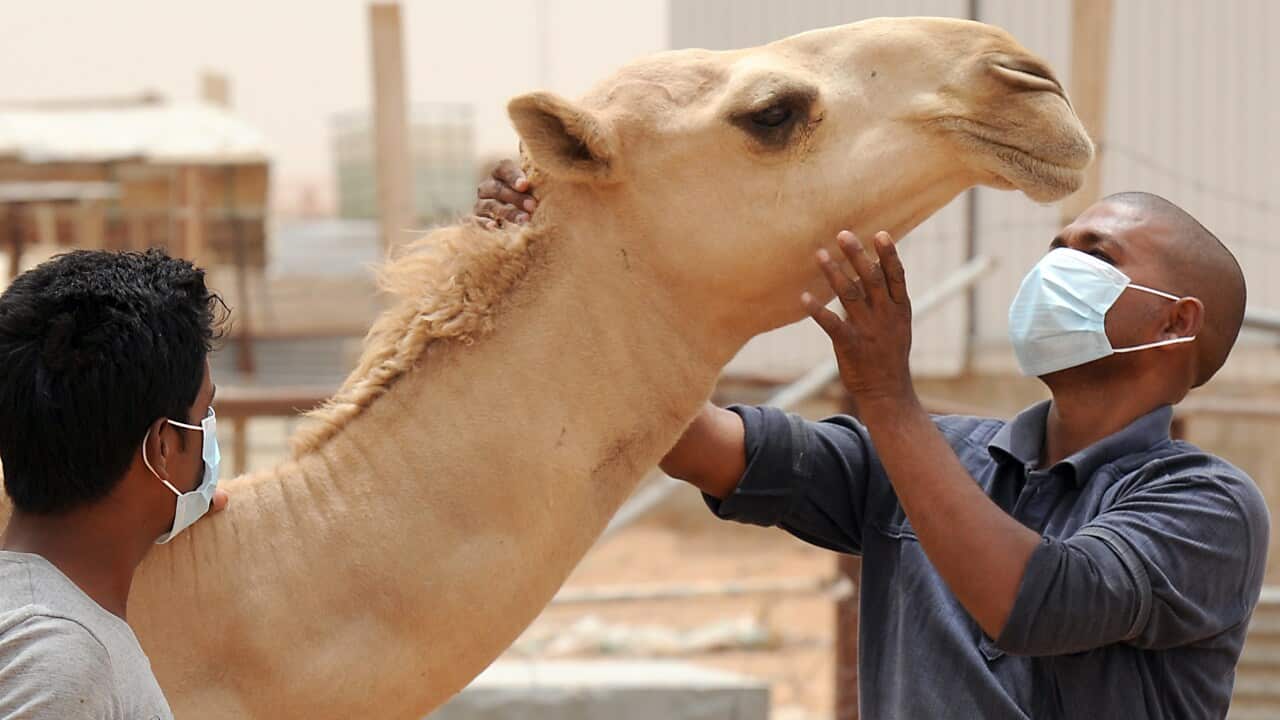
The World Health Organisation says appropriate precautions should be taken when visiting farms, barn areas or market environments where camels are present in MERS-affected countries.
Precautions can include avoiding contact with camels, washing hands and avoiding drinking raw milk or eating food that may be contaminated with animal secretions or products unless they are properly washed, peeled, or cooked.
How is MERS treated?
There is no vaccine against MERS and there are currently no specific treatments available.
However, general medical care can prevent the disease being fatal.
How is it diagnosed?
MERS coronavirus disease is diagnosed by finding genetic material from the virus in respiratory samples such as fluid from the lungs.
Testing is done in public health laboratories.
Share


