
- Stay up to date with the Iraq crisis
- What we know about the Islamic State and the Iraq crisis
- Why are the Yezidi being targeted by Iraqi jihadists?
Recently, Islamic State militants managed to oust Pershmerga and Yezidi minorities, sparking an exodus into the surrounding mountains, or neighbouring cities in Iraq's Kurdistan region.
The Yezidis flocked back to Kurdistan after surviving with little food and water on Mount Sinjar, which legend holds as the final resting place of Noah's Ark. Several thousand were still thought to be hiding in the mountain however as the area remained far from safe.
Numbering about 700,000 worldwide the Yezidi are a sect that combines elements of Islam and Zoroastrianism, an ancient Persian religion dating back to at least 600 B.C.
News that makes sense
Your trusted source for staying up-to-date with the world around you. Get free daily news updates and analysis, straight to your inbox.
The Yezidis are a closed community that avoids prolonged contact with those outside the sect. They also refuse to accept converts. Yezidis contend their faith is the world's oldest saying they were the first people to be created in the Garden of Eden.
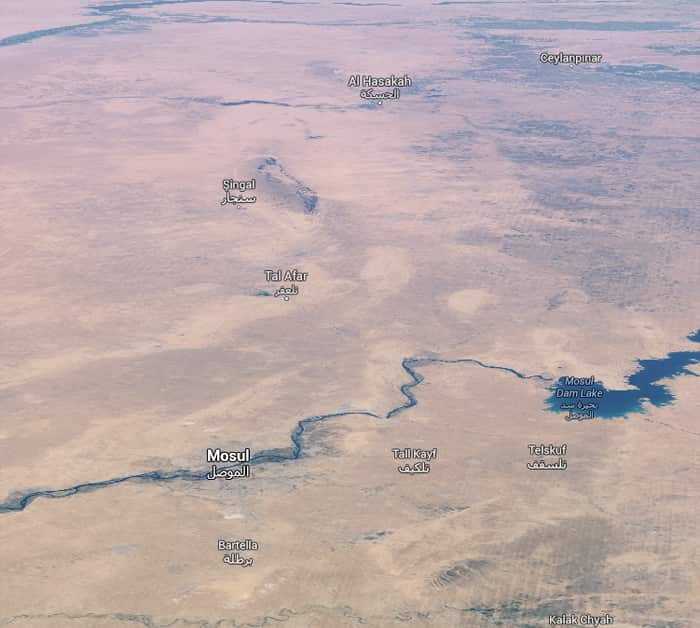
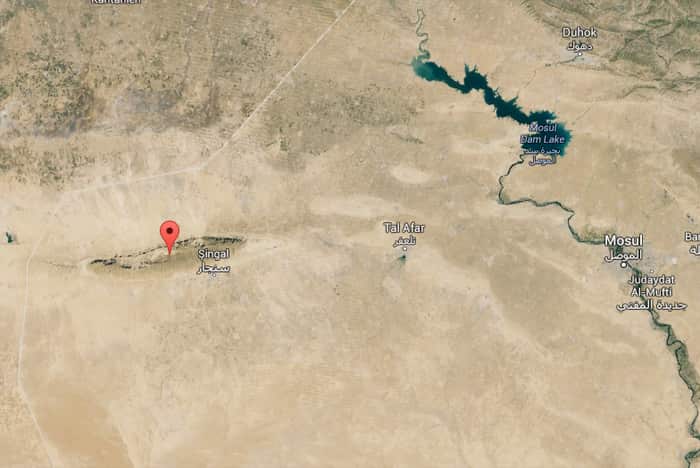
Where is Mount Sinjar?
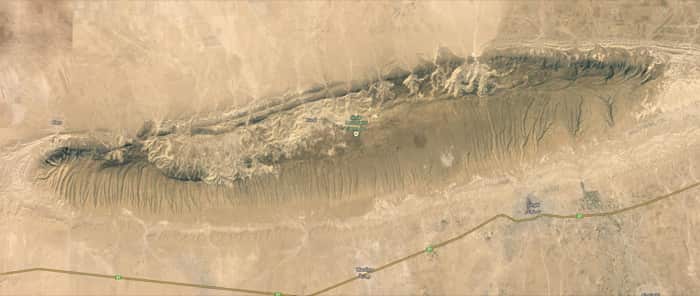
How big is Mount Sinjar?
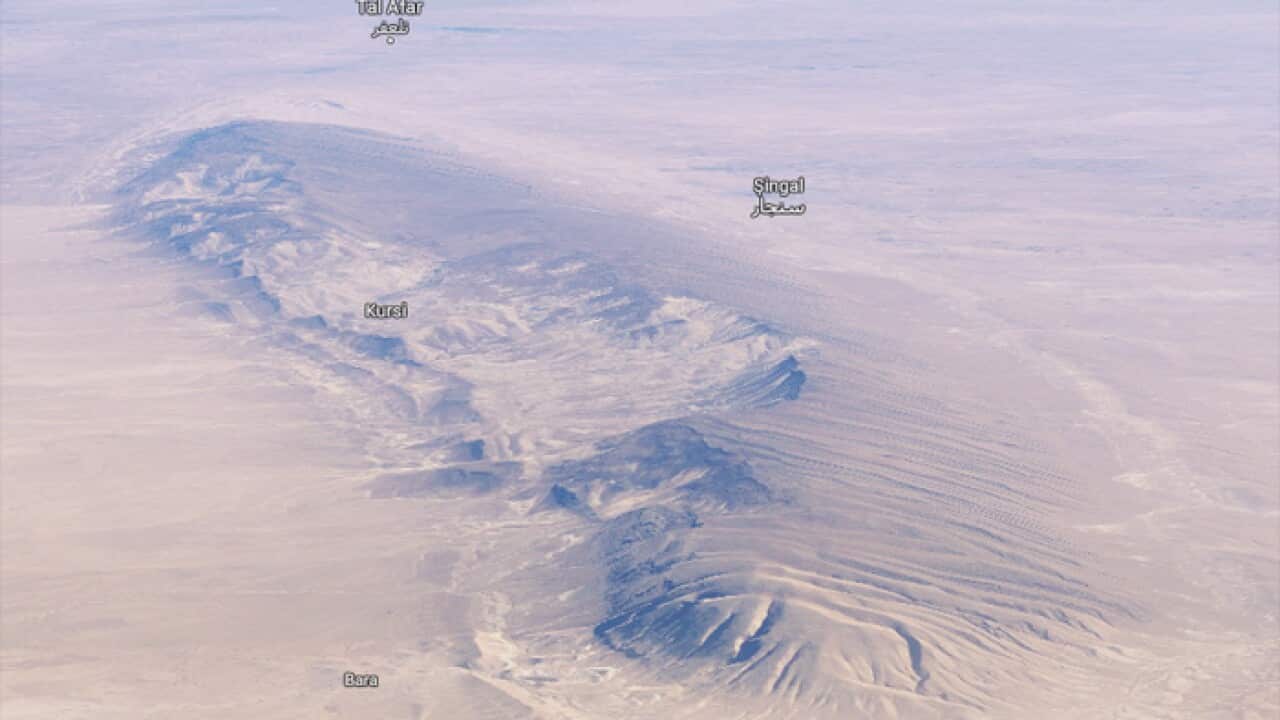
What does Mount Sinjar look like?
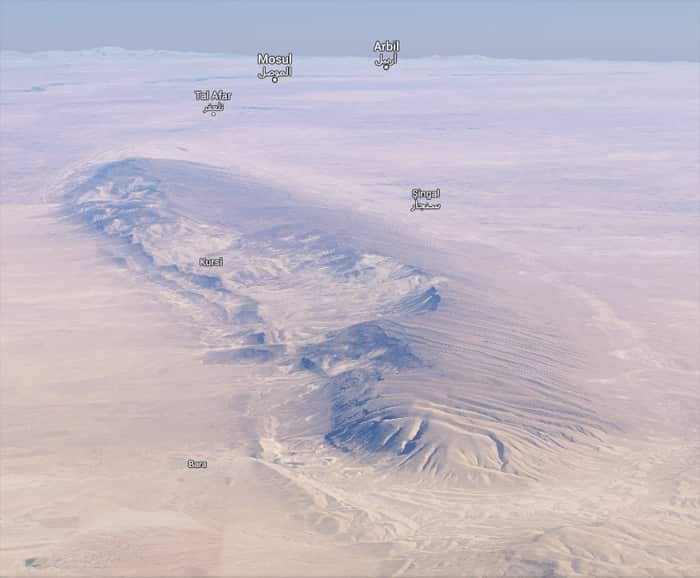
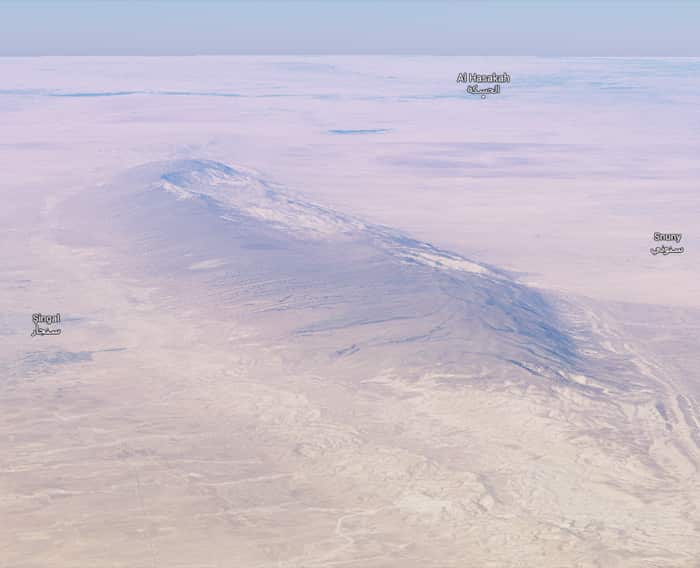
An overview of the surrounding area