
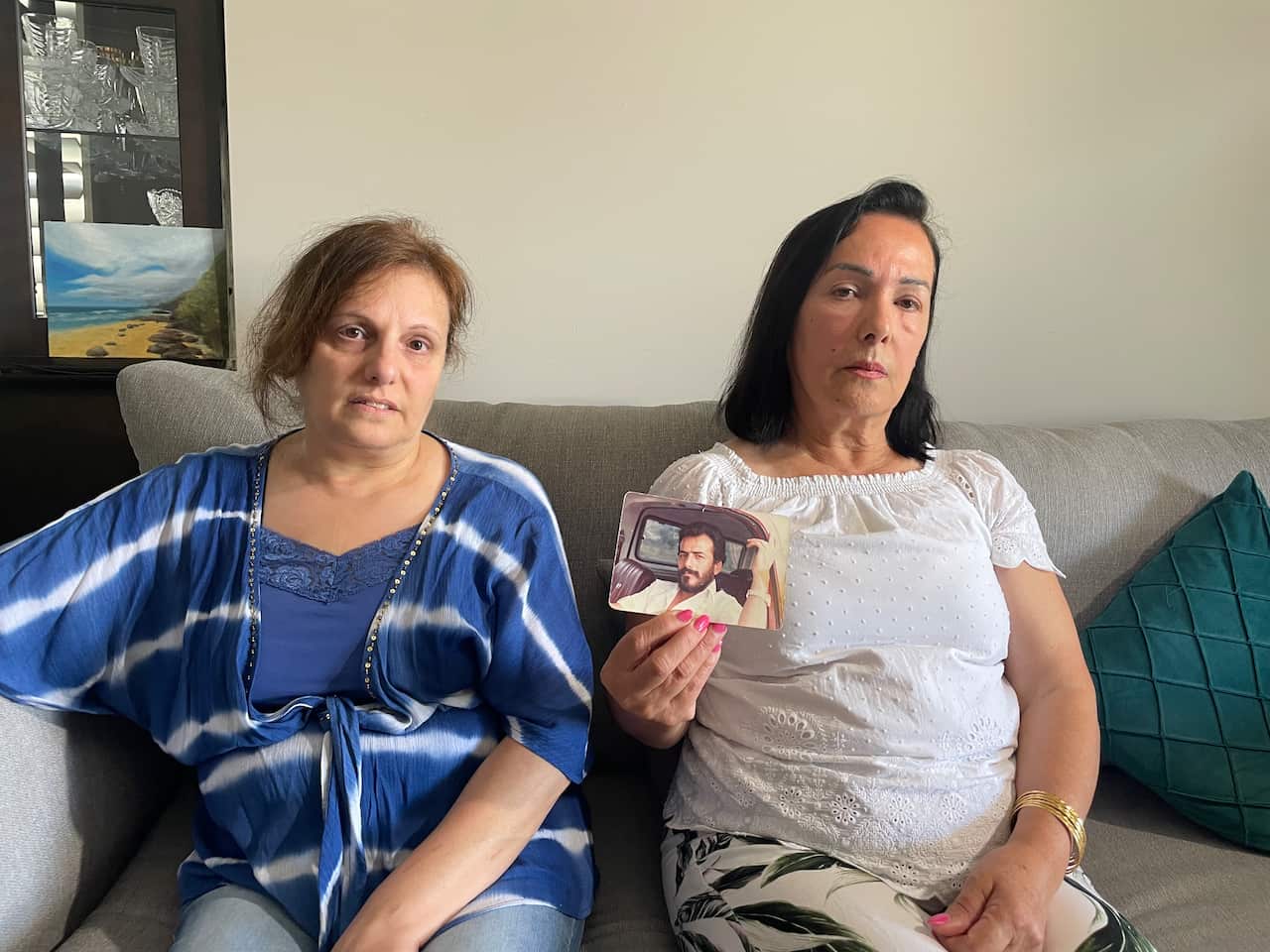
Two Melbourne women have called on the federal government to help locate an Australian-Lebanese dual citizen who they believe is still inside a Syrian prison dubbed "the human slaughterhouse".
Their message has become more urgent after the toppling of the decades-old regime of former leader Bashar al-Assad.
A 12-day lightning rebel offensive culminated in the Syrian capital Damascus being taken in the early hours of Sunday.
Thousands of prisoners, held during the former regime, were finally set free.
News that makes sense
Your trusted source for staying up-to-date with the world around you. Get free daily news updates and analysis, straight to your inbox.
Jamal Al Deeb, 68, told SBS News her then-36-year-old brother Adel Al Deeb was kidnapped after returning from Australia to Lebanon in 1977 during the Lebanese Civil War.
She said he had moved back to Lebanon after a family emergency.
But in December 1984, his family said he was tricked into being abducted by Syrian forces in the village of Kfar Nabrakh.
"They came to his house and they said someone from the government in Lebanon needs him because there is a war and they need his help."
Adel Al Deeb's daughter Hanna Al Deeb was 15 at the time.
"He was sitting next to me," said Hanna, now 55.
"He said, 'I'm coming back. Finish your food. I'll be back for you.'"
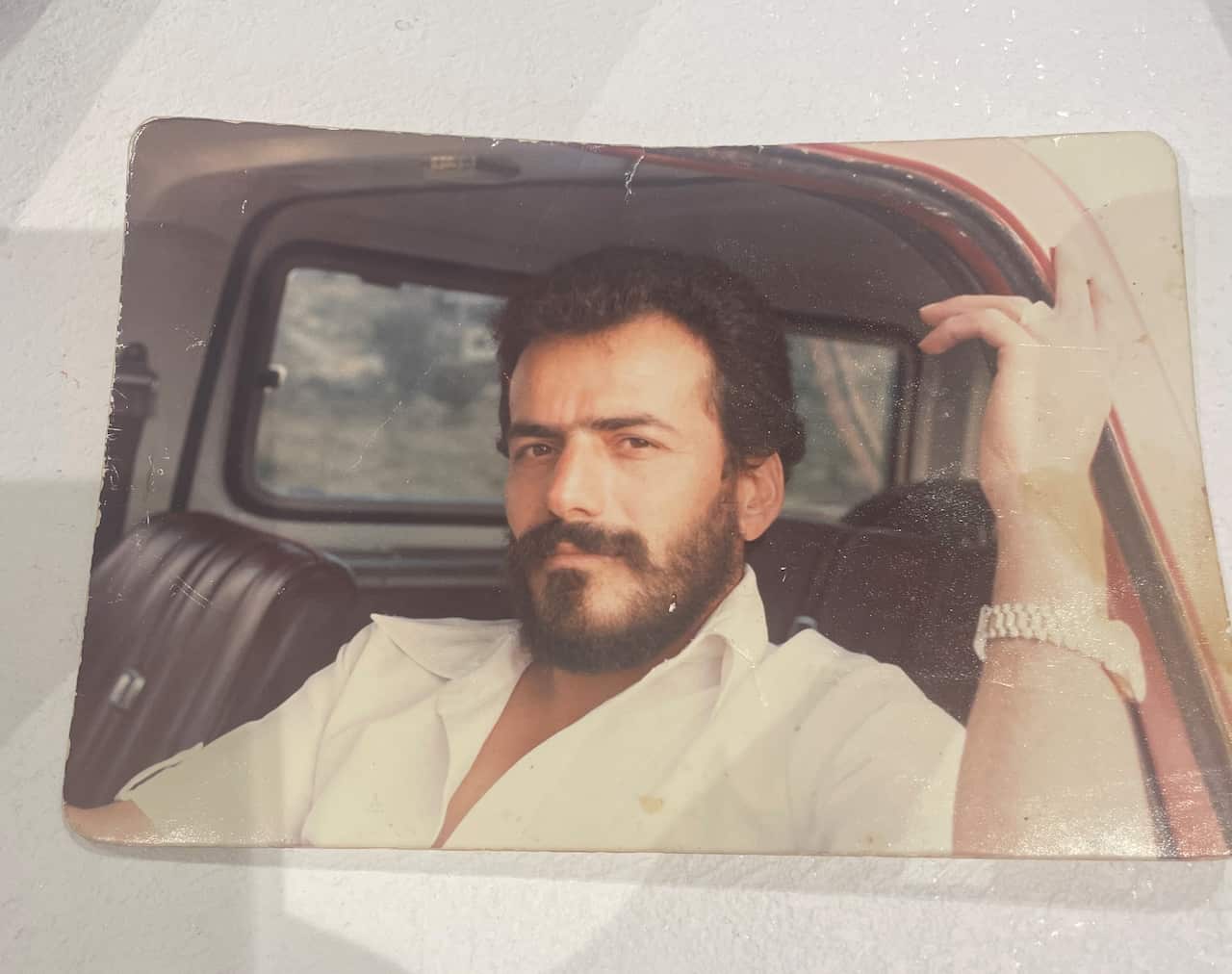
Nearly 40 years later, Hannah, said she thinks about her now-76-year-old father every day.
"Every minute, he's in my head," she said.
"Even at my wedding when I was standing —all people have their dads with them. But I don't even know my dad."
Jamal and Hanna believe Adel was being held at Sednaya military prison near Syria's capital, Damascus, which had been dubbed "the human slaughterhouse" by Amnesty International.
Since the 2011 uprising that sparked the war, more than 100,000 people have died in Syrian prisons, often under torture, according an estimate from the Syrian Observatory for Human Rights.
The Britain-based war monitor also said about 30,000 people had been detained at Sednaya, where detainees endured some of the worst torture, with only 6,000 released.
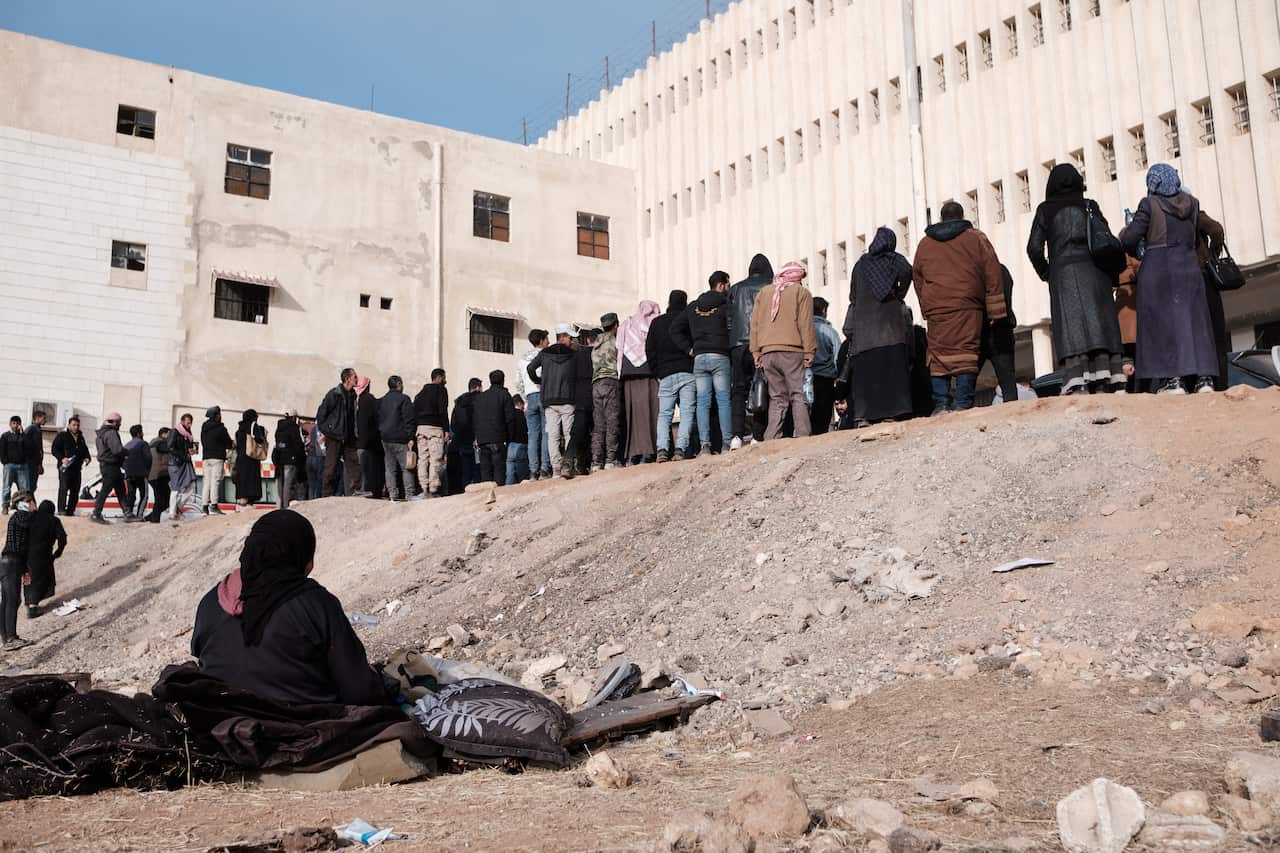
Videos on social media after the fall of Assad's regime on Sunday showed dozens of gaunt men emerging from the dark holding cells, some too weak to walk and carried out of the prison by their fellow inmates.
The United States said in 2017 it had evidence of a new crematorium built at Sednaya especially to dispose of bodies of thousands of inmates hanged during the war.
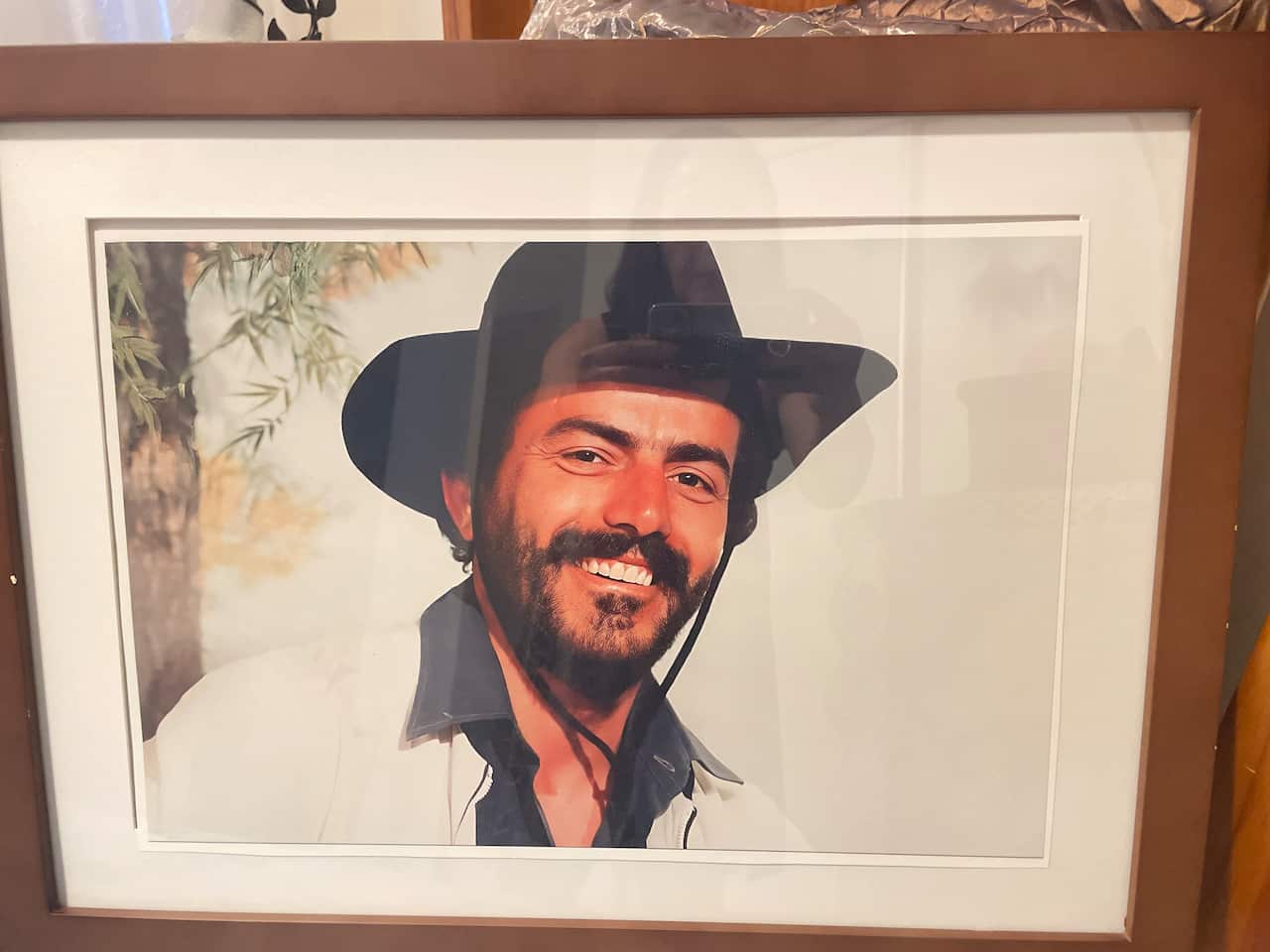
Jamal received a letter with her brother's signature in April, but every day since the liberation of the prison, she feels more desperate.
"If I can go, I will go with a microphone and yell, 'Where is my brother? Adel, Adel, Adel.' We need people to help him."
Jamal says she wants the government to look for him.
"Because he is an Australian citizen. All his kids are here. He's still there, 100 per cent he's still there. He's still alive."
SBS News has approached the Department of Foreign Affairs for comment.
At time of publication a response had not been received.







