This audio is voiced by AI and may occasionally mispronounce words.
Share your feedback and help us improve this feature. Read more about how we use AI at SBS here.
The sun is still hours from rising, but Western Australian senator Fatima Payman is already on her first coffee, getting ready for another day of work — and caring for a newborn.
It could be 2am or 3am. She isn't sure anymore. These days, she says time is more of a concept than a clock.
The independent senator isn't just working to an east coast time zone from Perth; she's working around the unpredictable schedule of a new mum.
"Some days it is really tough, and there are some really good days," Payman tells SBS News during an interview in Perth.
I think overall my perspective has shifted in realising how tough women have it out there.
News that makes sense
Your trusted source for staying up-to-date with the world around you. Get free daily news updates and analysis, straight to your inbox.
Payman is the first WA senator to have a baby while serving in parliament — a distinction that comes with its own challenges, including the more than 3,600km distance between Perth and Canberra.
Between herself and her husband, Jacob Stokes, a former WA Labor staffer, Payman says they are juggling the demands of parenthood with support from their respective families in Perth.
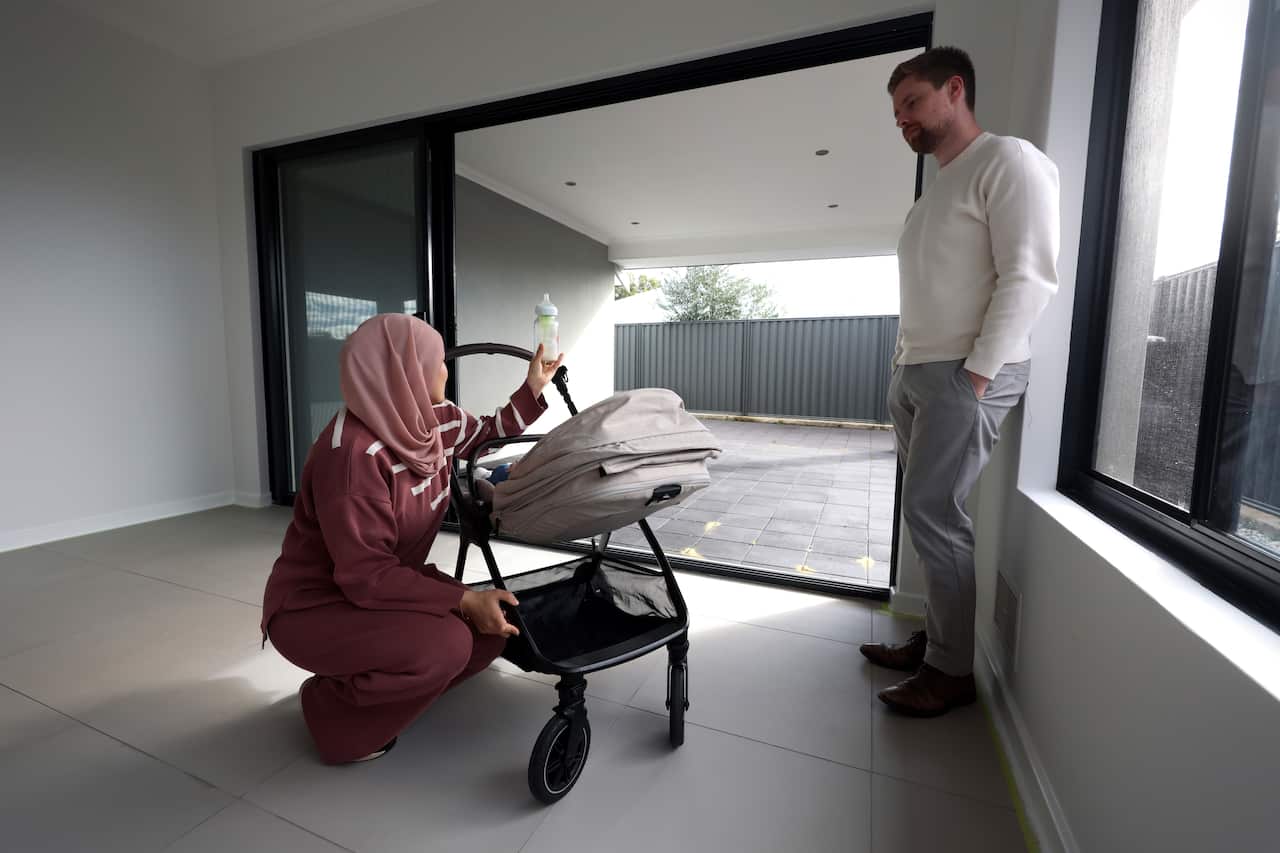
Their daughter, Aliyah, was born in May this year, the couple's first child, and the family spent the first four months in Perth before Payman returned to Canberra to work earlier this month.
Payman's experience highlights a question that goes beyond one senator: As more women enter politics, has parliament changed enough to accommodate the realities of having a family?
The challenge of motherhood in parliament
Payman's working day now unfolds around the needs of a newborn, with the routines of motherhood squeezed between emails, meetings and the demands of parliamentary work.
There are feeds, nappy changes and playtime, followed by putting Aliyah to sleep and expressing breast milk to ensure there is enough for the day.
In between, Payman reads emails, keeps up to date with political developments and attends virtual meetings.
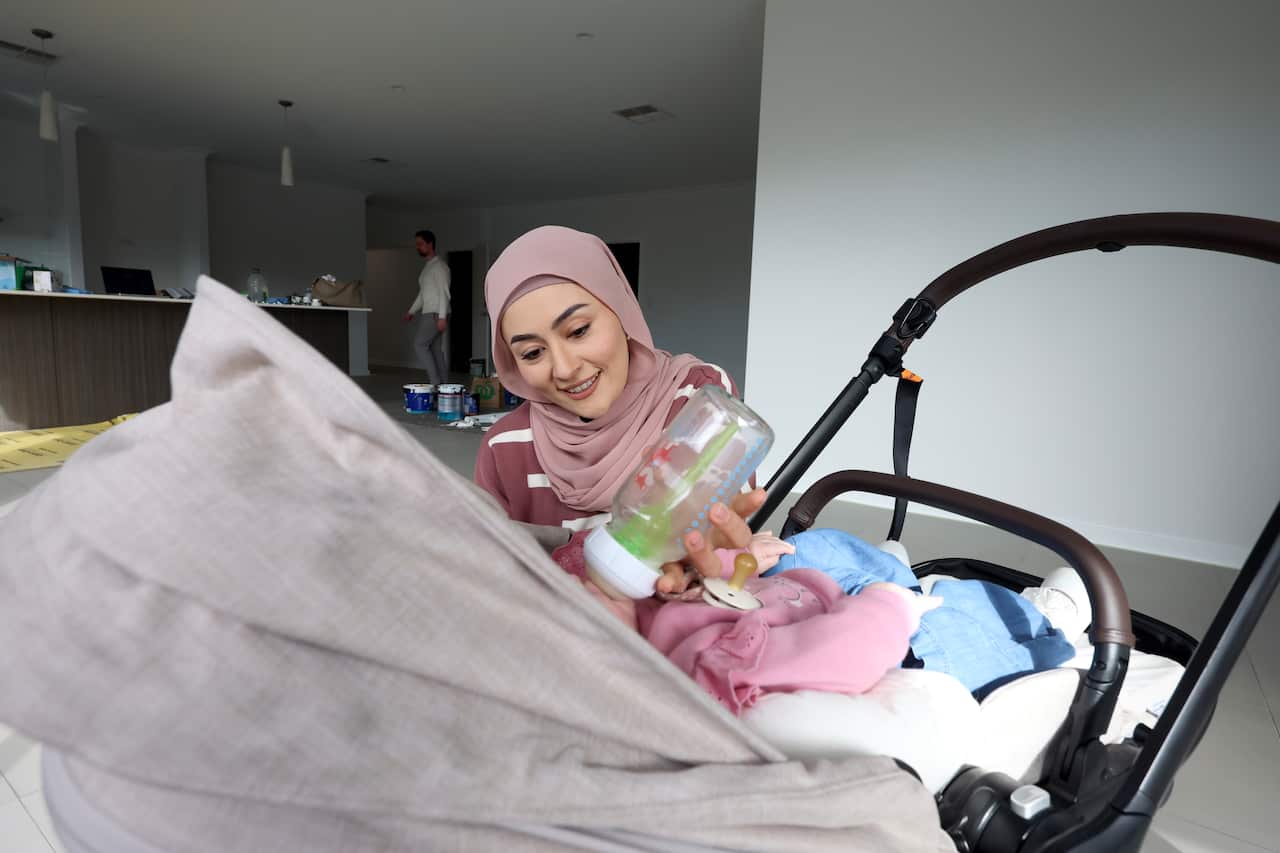
By the afternoon, she is often driving to community meetings and other events, sometimes with Aliyah in the baby seat, before returning home for the evening routine.
"I am incredibly blessed to have a supportive family around me.
"As they say, it takes a village to raise a baby."
After Aliyah was born, Payman says she did not take an extended break from work.
"I didn't have a maternity leave; it was really right back to work as soon as I could, answering calls," she says.
As an independent senator, Payman's circumstances differ from those of senators in larger political parties, where responsibilities can be shared among multiple members.
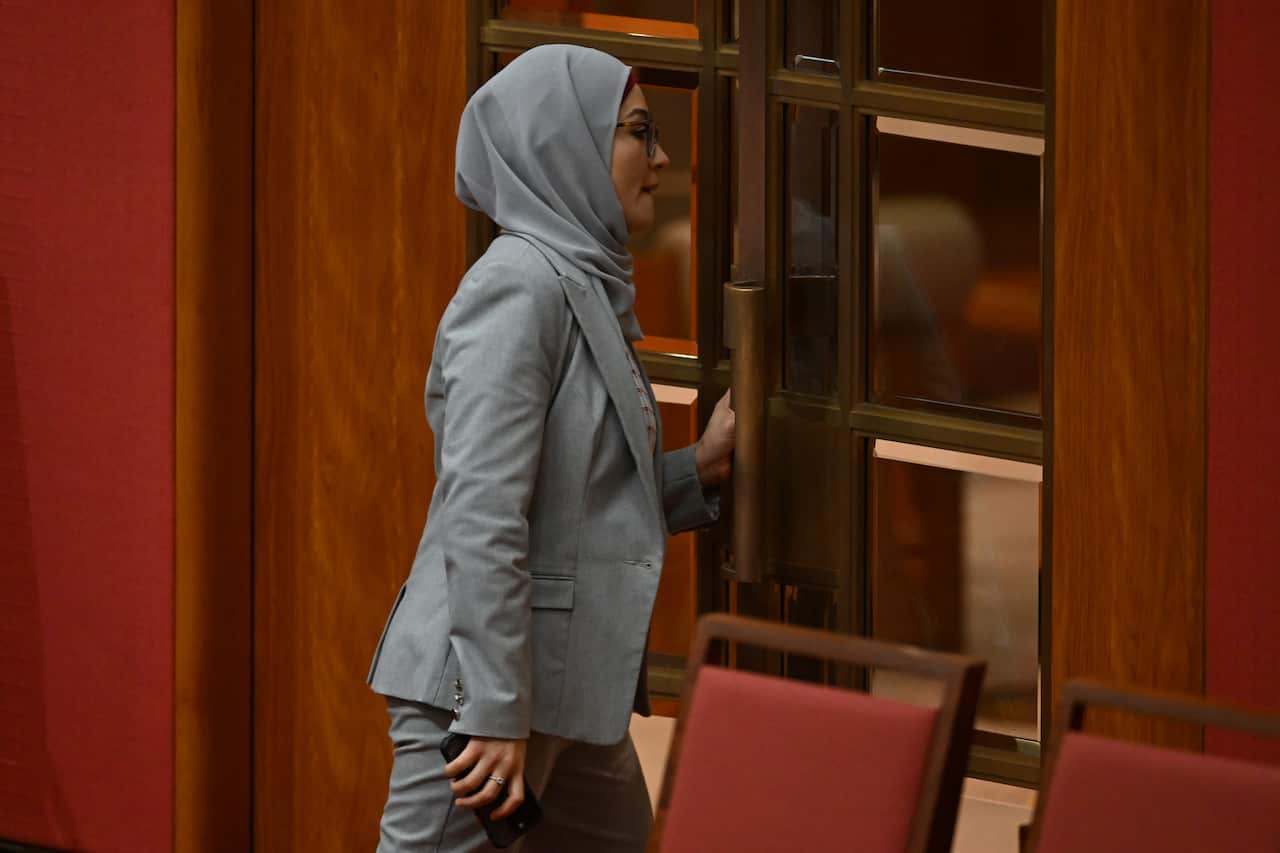
She became an independent after crossing the floor in June 2024 to support a motion recognising Palestinian statehood. She resigned from the Labor Party the following month and, in October 2024, launched her own political party, Australia's Voice.
Payman is currently the only senator representing Australia's Voice.
"I had various Labor backbench senators reach out, some have even sent me gifts which are really lovely," she says.
"They told me they would be able to take three to four months of complete maternity leave, and that's a luxury not afforded to independent senators."
A parliament adapting to parenting
Payman's experience comes after years of scrutiny of the parliamentary workplaces and whether they are equipped to accommodate people with caring responsibilities.
In 2021, hundreds of people were interviewed as part of Sex Discrimination Commissioner Kate Jenkins' Set the Standard review into the culture of Commonwealth parliamentary workplaces. Their testimony highlighted power imbalances, gender inequality, a lack of accountability, entitlement and exclusion as contributing to a toxic workplace culture.
The review also identified parliament's long and irregular sitting hours as a factor affecting the well-being of people working there, and made 28 recommendations aimed at creating safer, more diverse and inclusive workplaces.
A 2022 report by UNSW Sydney and the Pathways to Politics Program for Women examined the barriers facing parliamentarians with caring responsibilities, noting that women continue to shoulder a disproportionate share of unpaid care work.
The report warned that if parliament could not reconcile caring responsibilities with its democratic duties, women could be discouraged from entering politics or remaining in parliament long-term.
It proposed five changes to make parliament more "care-friendly", including changes to sitting hours and the parliamentary calendar, formal parental leave for politicians, greater access to childcare and more use of virtual proceedings.
The report also recommended changing rules that classified children as "strangers" and did not permit them in parliamentary chambers.
Some of those changes are now visible inside parliament, from childcare facilities to the rules governing babies in the chambers.
Parliament House has an onsite childcare centre, as well as parents' rooms and facilities for nursing and infant care. The building is also accredited as a Breastfeeding Friendly Workplace.
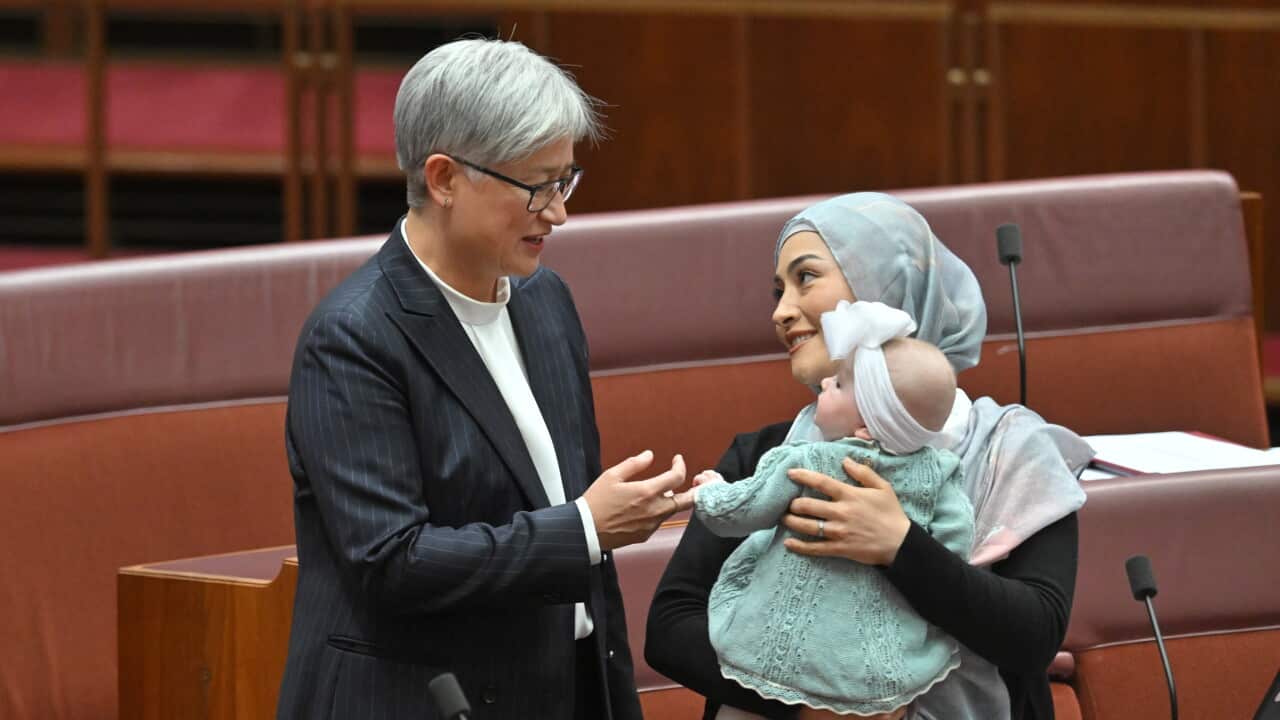
Senators can breastfeed an infant in the chamber and, at the discretion of the Senate president, briefly care for an infant during proceedings, provided the business of the Senate is not disrupted.
That shift came into focus in 2017, when Greens senator Larissa Waters — now the party's federal leader — brought her baby into the Senate chamber to breastfeed during a sitting.
A turning point for parents in parliament
For Waters, bringing her baby into the chamber exposed a simple mismatch between parliamentary rules and the realities of being a new parent.
"I think all workplaces should be flexible and support new parents. Not just mum[s], but dads should get that flexibility," Waters tells SBS News.
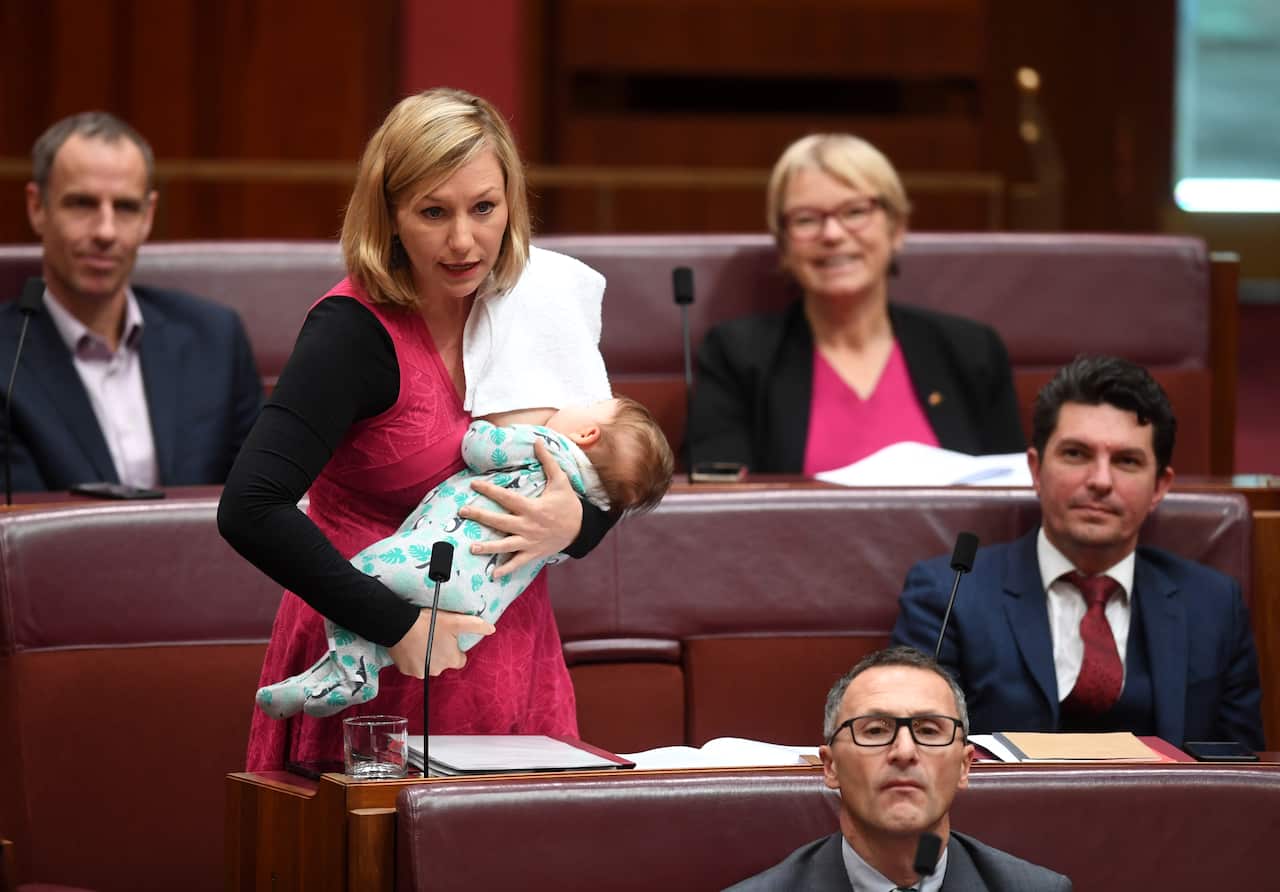
Discussing the watershed moment in 2017, Waters says she was not thinking about making history when she breastfed her daughter during a sitting. Her partner texted her that their daughter was hungry and couldn't wait another five minutes, so she brought her into the chamber to feed her.
"To be honest, I wasn't thinking about the moment it would become; I was just thinking bubba was hungry and I still had to move a motion about preventing black lung disease in Queensland coal mine workers," she says.
Since then, babies have been brought into both the Senate and House of Representatives, including by male politicians. In 2024, Victorian senator Raff Ciccone became the first father to bring a baby into the chamber.
"That modelling of shared care is so important because we know dads only take about 20 per cent of the [primary] parental leave they are entitled to take," Waters says.
"And unless you start that good quality relationship and you share that care from day one, you end up with the mum doing all the work."
Waters says she was able to balance caring for her daughter with her parliamentary responsibilities.
I am a politician and I am a mum, I am both things at all times.
Has female representation changed parliament?
Sue Williamson, an associate professor at UNSW who specialises in areas of gender equality in the workplace, says federal Labor's push to increase the number of women in parliament does not necessarily mean the institution is gender-equal.
"There has been an increase in numbers of women in parliament over the past few years, particularly since the Albanese government got in," she tells SBS News.
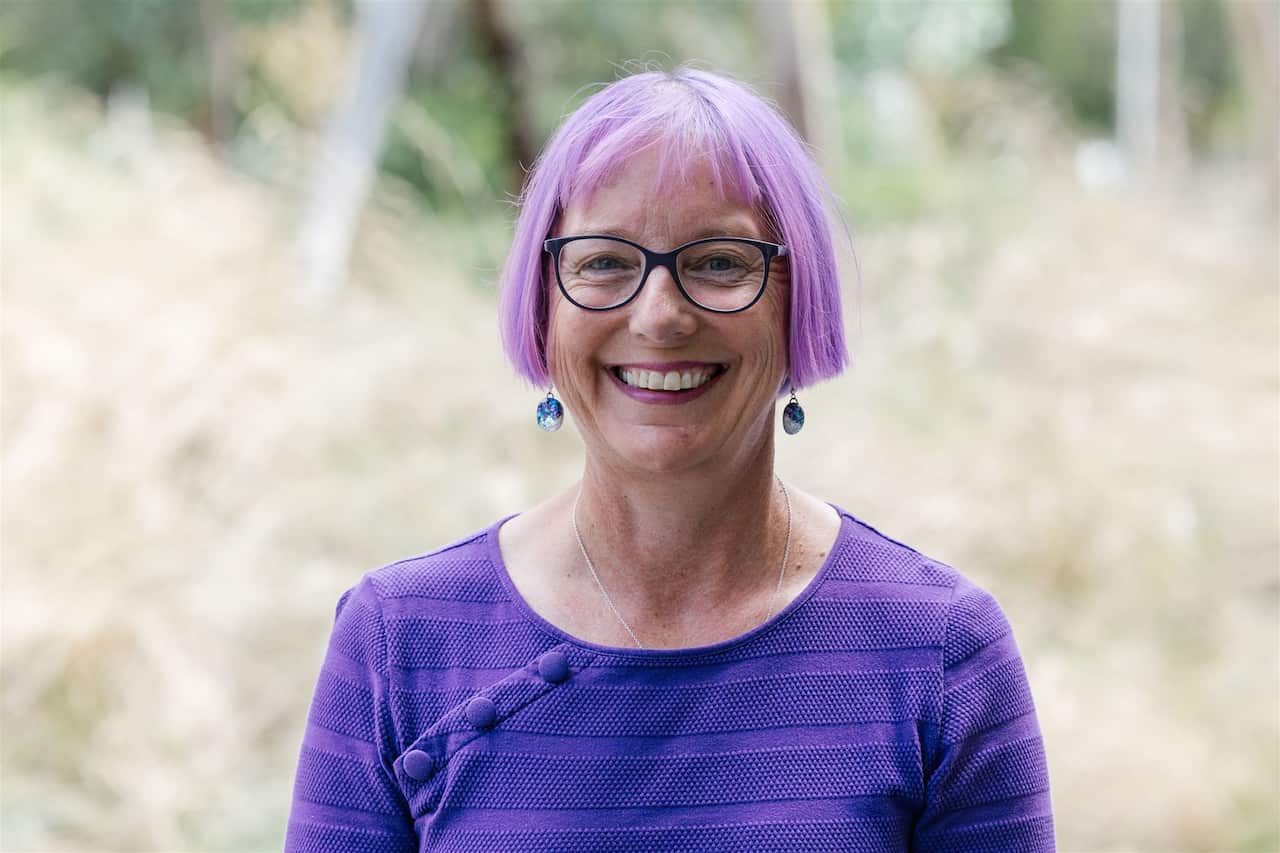
"Women now make up almost 50 per cent of parliamentarians, but gender inequalities still exist."
Williamson says gender equality depends not just on who is represented in parliament, but on workplace culture and whether people can balance political careers with caring responsibilities.
Gender equality is more about having equal representation.
"It also goes to the culture of the workplace and we know that historically Parliament House has been a really blokey workplace."
A different challenge for an independent
For Payman, Williamson says being the sole senator representing her party puts her in a unique position, with fewer resources and colleagues to rely on for support.
"Being an independent senator means she doesn't have a lot of resources," she says.
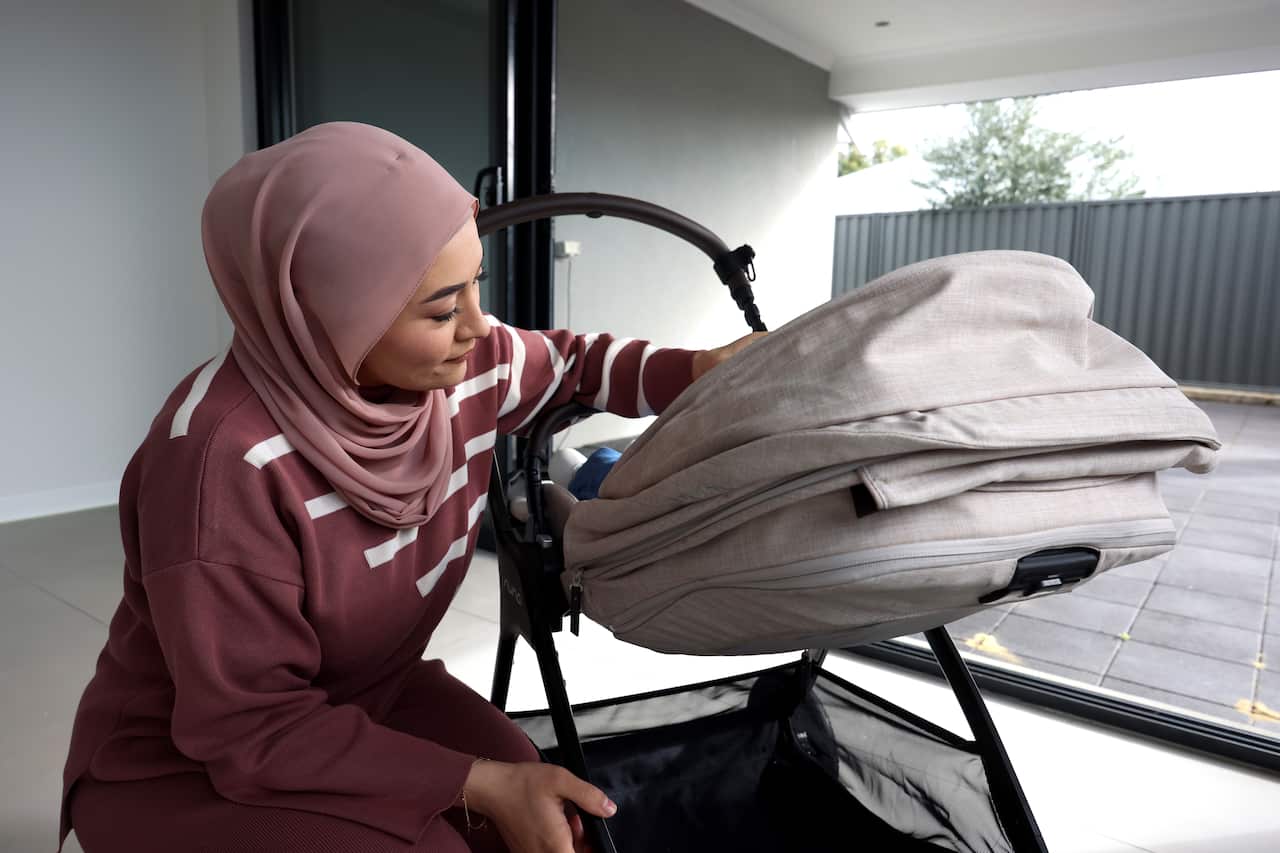
"Already we are hearing from her that she is using her family, her partner, and relatives to provide care for the baby, which is great [that] she has that support network, but not everyone does have that support."
Williamson says Payman's experience, still attracting attention, raises a broader question of whether parliament has changed enough to support politicians with young families.
What really struck me with this story is that, why is this a story? Why are we still talking about this in 2026?
"When male politicians have babies, it's part of life, it's business as usual because they've got someone that can look after their kid."
Waters says babies in parliament can also remind politicians who they are making decisions for.
"There is a sense of delight when there is a baby in the chamber," she says.
"It's one of those moments that really breaks down the political party lines and it is a lovely reality check because it reminds you you are here for people, and that little child's future is being decided by the decisions that you take."
Waters says while parliament has made progress, there is still a broader issue of gender inequality across Australian workplaces.
I think the culture has changed, but we still have a long way to go and more importantly, workplaces around the country have a long way to go.
For the latest from SBS News, download our app and subscribe to our newsletter.







