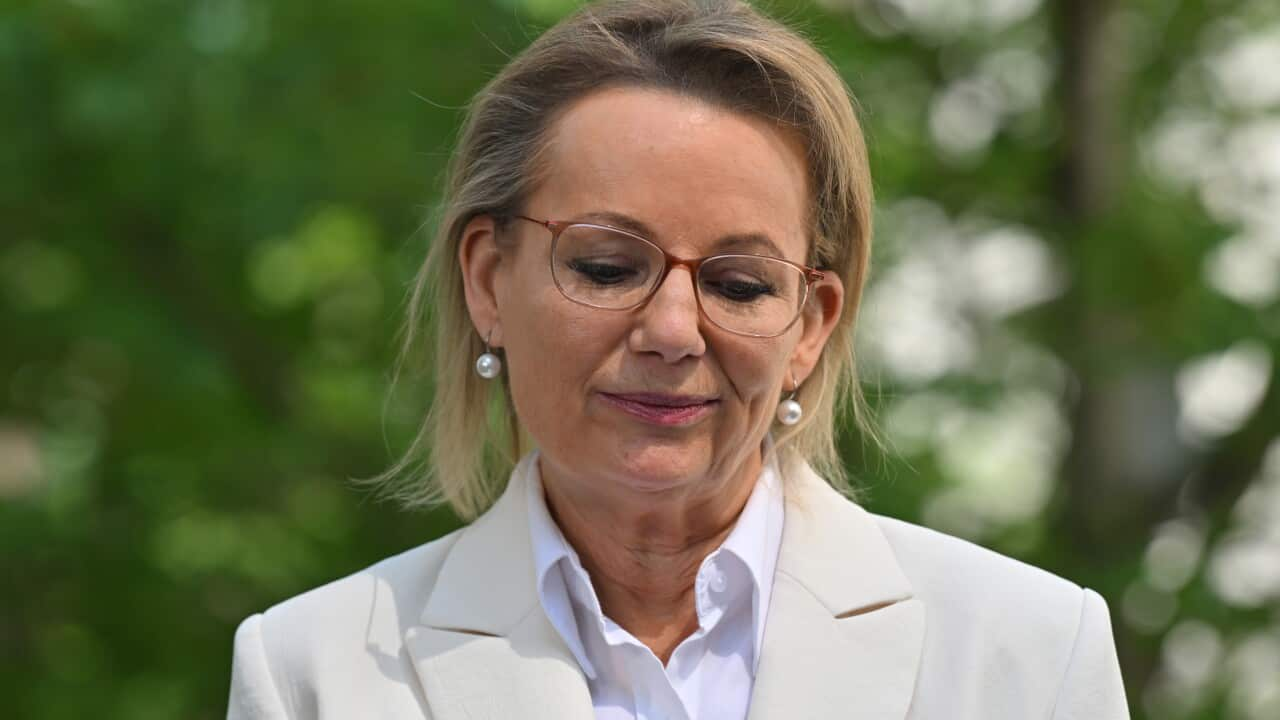
With the Liberals' first female leader, Sussan Ley, dumped after less than a year at the helm, experts say the party has done little to shake its perceived "women problem".
But senior party figures insist gender had nothing to do with Ley's removal, instead blaming dire polling and looming electoral oblivion.
Ley became the Liberal Party's first female leader in its 80-year history after the Coalition's landslide defeat at the May 2025 election. A moderate, she narrowly defeated conservative frontbencher Angus Taylor 29 votes to 25.
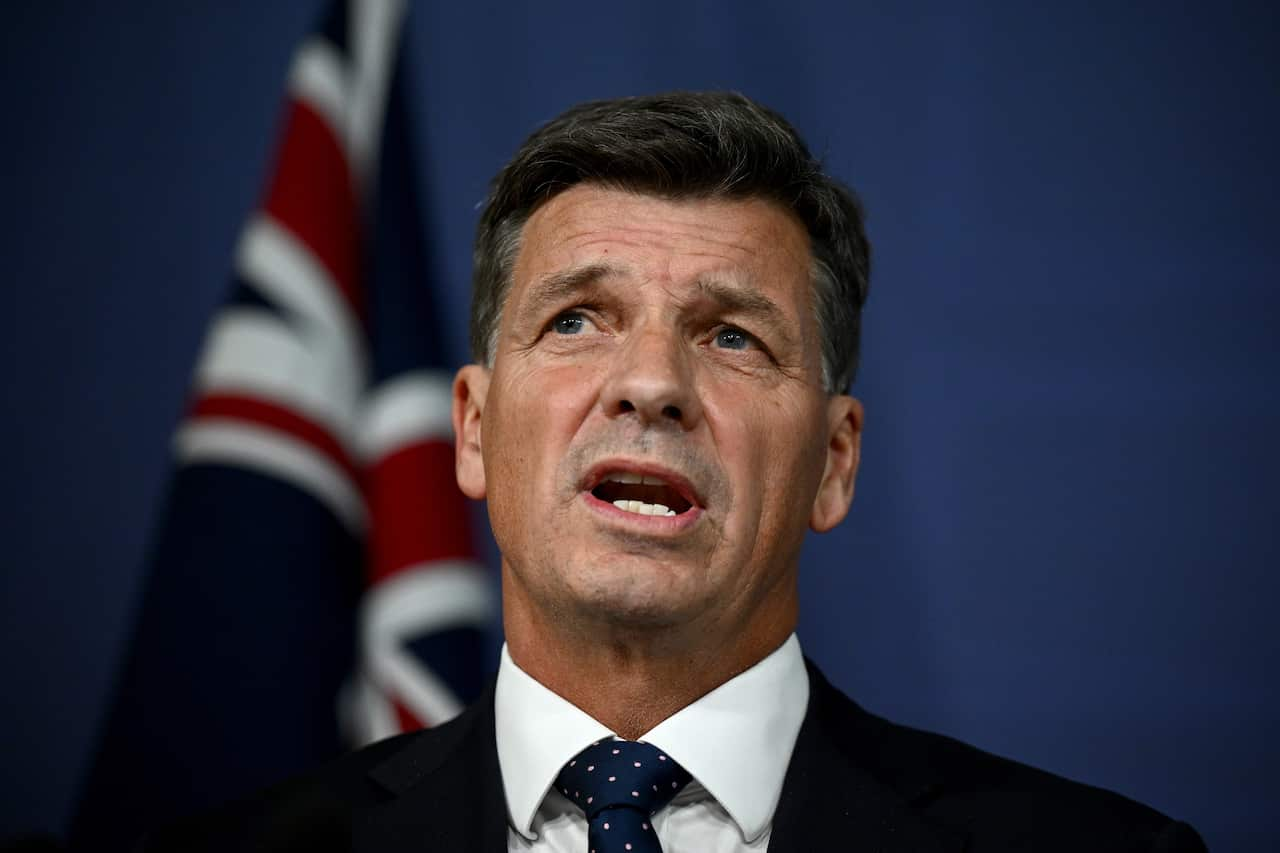
Nine months later, she was ousted and replaced by Taylor, who secured a decisive 34 to 17 victory after several of Ley's key backers switched sides.
News that makes sense
Your trusted source for staying up-to-date with the world around you. Get free daily news updates and analysis, straight to your inbox.
On Friday morning, before Ley was ousted, NT senator Jacinta Nampijinpa Price said any attempt to frame a leadership change around gender would amount to "identity politics".
"Frankly, Australians can see through this nonsense. Leadership is not about gender — it is about competence," she said on social media.
She pointed to the Coalition's primary vote falling from about 31 per cent at the election to 18 per cent in recent polling, arguing the party was "bleeding votes to One Nation".
Victorian senator and key Liberal power-broker James Paterson was among the first to publicly back Taylor's leadership bid, also pointing to recent opinion polls.
"Political leaders are judged on their performance, not their gender," he said.
'A classic case of the glass cliff'
While Ley's detractors rejected the idea that the leadership spill reflected a broader issue for women, some experts argued her removal risked reinforcing long-standing concerns among female voters.
Michelle Ryan, director of the Global Institute for Women's Leadership at the Australian National University, told SBS News Ley's elevation was a "classic case of the glass cliff".
Ryan was among the first researchers to coin the term that describes women being promoted during times of crisis, when the risk of failure is high.
"Coming in after the worst electoral performance in history ... the fact that she's now been pushed out after such a short time sort of illustrates the precarity," she said.
The day she was elected Liberal leader, Ley said she didn't accept that she was facing a "glass cliff", saying her agenda was broader than gender.
Tony Barry, a former senior Liberal staffer and now director of RedBridge Group — which conducts polling and political research — said the party faced an entrenched perception problem around gender.
"The problem for the Liberal Party is there's an existing prejudice amongst voters," he said.
"They do have a women problem, whether that's real and whether that's fair or not, that is the perception.
"The events of the last week are at risk of reinforcing that."
He said Labor didn't have the same issue, despite Julia Gillard being knifed as leader because the party had a high representation of female MPs.
Blair Williams, a politics lecturer at the University of NSW Canberra, said the Liberals' gender problem was threefold: Under-representation in parliament, declining support among female voters and what she described as a "toxic blokey culture".
She said accusations of bullying and sexual assault over the past decade had contributed to a culture many women viewed as unwelcoming.
"Young women, gen Z, Millennials, they are not voting for the Liberals," she said.
"It's a competition between Labor and the Greens at this point for those votes. You really do see a pretty dire scenario if they don't get their act together when it comes to women."
Women under-represented in Liberal ranks
Despite setting targets more than a decade ago for equal gender representation by 2025, both the Liberals and their Coalition partner, the Nationals, have fallen short.
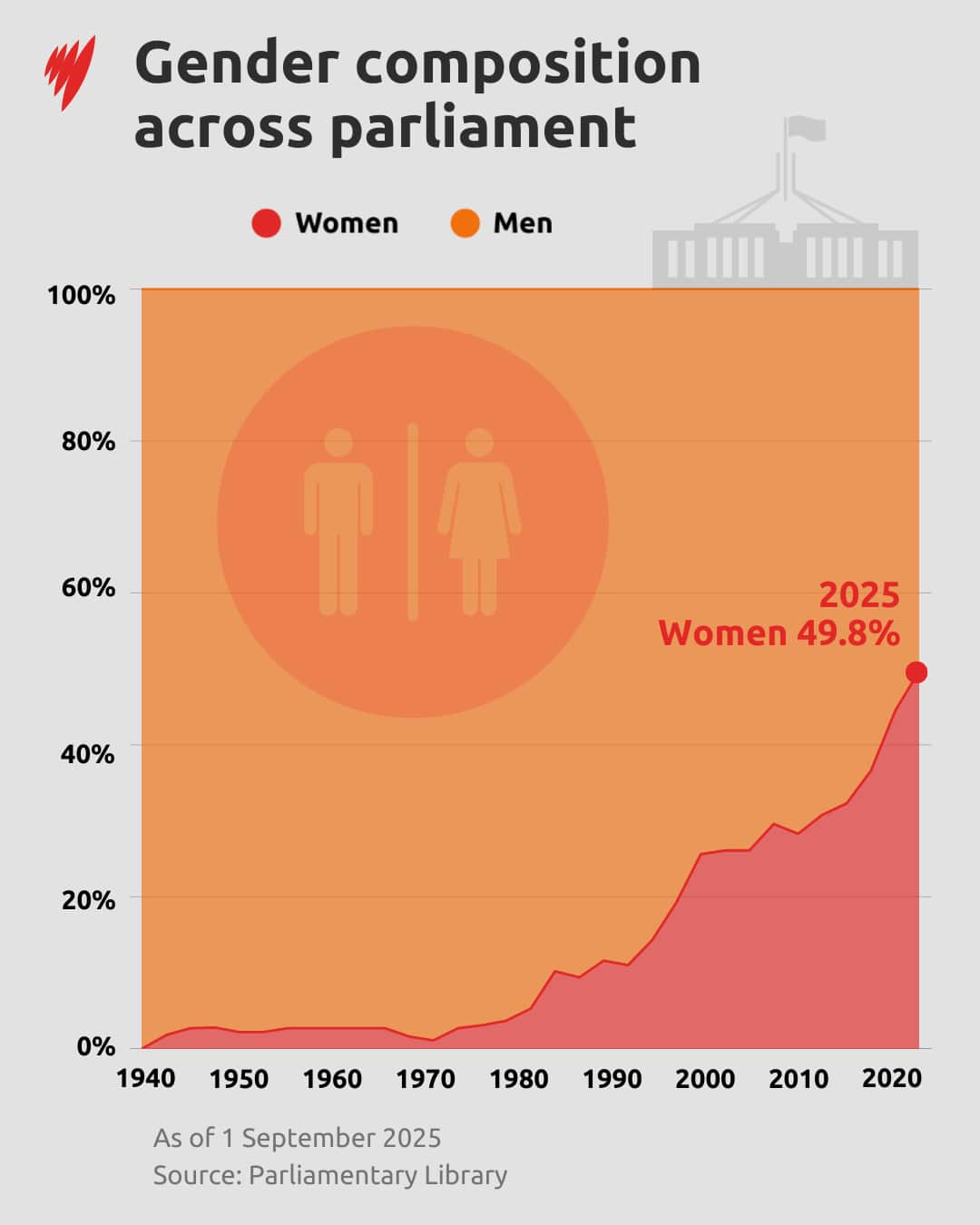
Women make up just 33 per cent of Liberal MPs. Among the Nationals, a little over a quarter of MPs are female. Neither party has adopted gender quotas.
By contrast, Labor reached 50 per cent female representation in 2022. After its landslide victory at last year's election, its caucus rose to 56 per cent women, and 12 of its 23 cabinet portfolios were held by women.
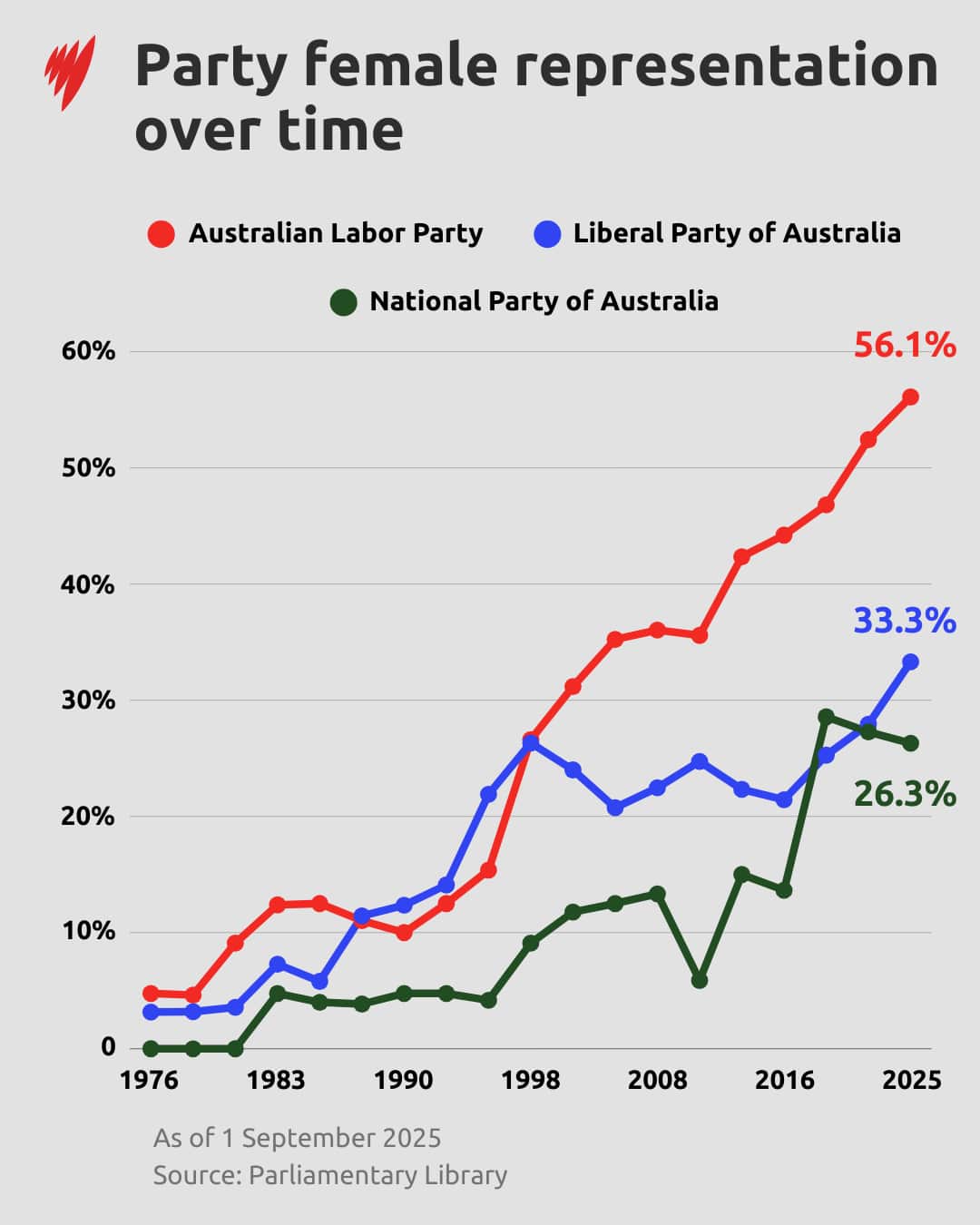
Labor introduced a 35 per cent quota for female MPs in 1994, later moving to a "40:40:20" model requiring no fewer than 40 per cent of seats be held by men or women, with the remaining 20 per cent open to either gender.
In June last year, Taylor said a "crusade" was needed to involve more women in the Liberal party, but he remained opposed to gender quotas, arguing they "subvert democratic processes".
"I think there are better ways of achieving this … mentoring, recruitment, support is the way to make sure you have talented people," he told ABC Radio National.
Catharine Lumby, expert in media and gender studies at the University of Sydney, said quotas could be implemented while still setting "high bars for achievement".
"Those two things can coexist," she told SBS News.
"The fact that there's a resistance to quotas tells you there's a deep-seated cultural issue in the Liberal Party."
Williams said the Liberal Party needed a clear policy platform that spoke to women if it wanted to attract support, noting its proposal to end work-from-home for public servants, which it took to the last election and was later dumped, was particularly unappealing.
"It's not just about who your leader is, it's about what does the party actually stand for ... how can they actually relate to a changing generation of Australians and especially Australian women?" she said.
Barry said all political parties benefited from diversity.
"Putting mostly gen X white men around a table doesn't bring about diversity of opinion and viewpoints, and that's a dangerous thing for any political party," he said.
"It means that you're representing a small base as opposed to the majority."
For the latest from SBS News, download our app and subscribe to our newsletter.







