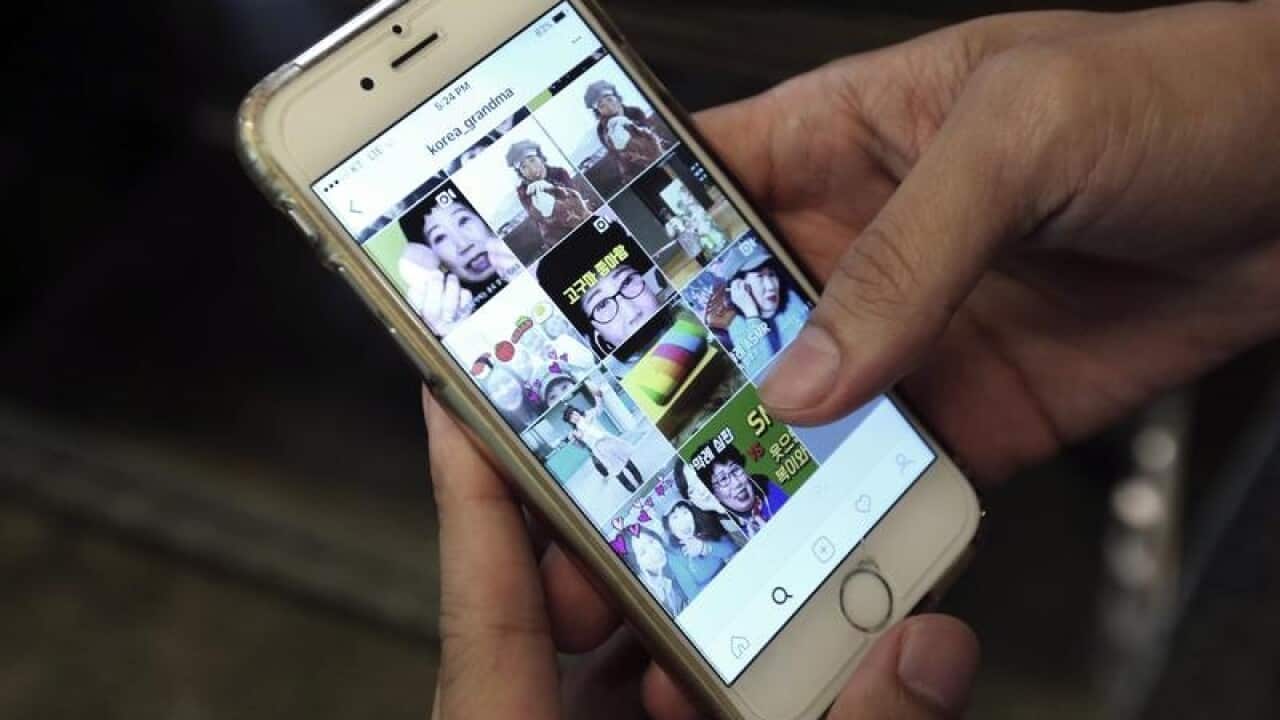
Feeling blue may colour the photos you collect and share with others, research has shown.
The pics will tend to be darker, greyer and, well, "bluer", scientists say.
Depression can reveal itself in social media images in the same way sighs and slumped shoulders may betray sadness, a study suggests.
Computer software was used to identify depressed people from the colour content of their Instagram photos with an accuracy of 70 per cent.
In comparison, GPs have an average success rate for correctly diagnosing depression of 42 per cent.
News that makes sense
Your trusted source for staying up-to-date with the world around you. Get free daily news updates and analysis, straight to your inbox.
Study co-leader Professor Chris Danforth, of the University of Vermont in the US, said: "This study is not yet a diagnostic test, not by a long shot, but it is a proof of concept of a new way to help people.
"This points toward a new method for early screening of depression and other emerging mental illnesses."
The scientists asked 166 volunteers recruited from Amazon's Mechanical Turk crowd sourcing site to share their Instagram feeds and mental health history.
The images were analysed using software programmed with the results of well-established psychological research into people's preferences for brightness, colour and shading.
Another discovery was sad individuals also posted photos containing fewer faces per picture than the face photos of happier people.
This could be linked to reduced social interaction or reflect the fact depressed people took more self-portraits, the researchers said.
The study was published in the journal EPJ Data Science.







