

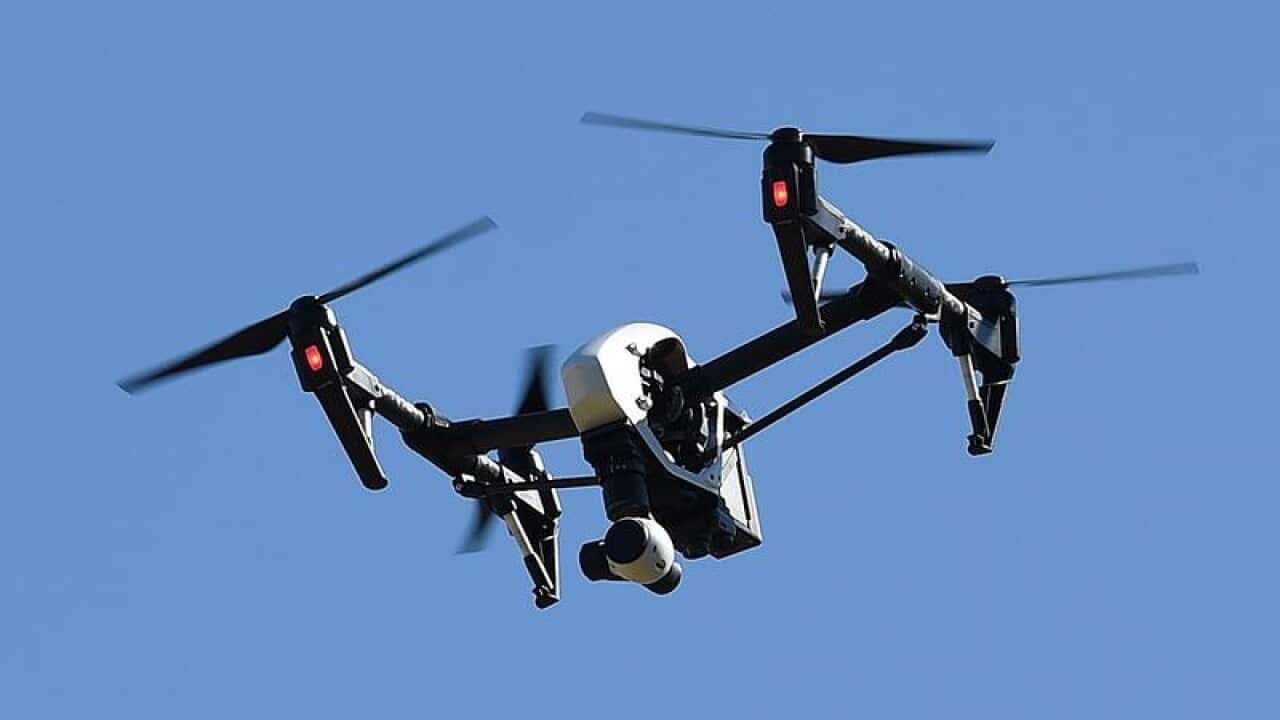
Protecting driverless vehicles and drones from being hacked is set to be one of the growth jobs of the future, according to a report from Australia's CSIRO.
CSIRO's data innovation group, Data61, says cyber-physical systems security will be one of the top seven growth sectors, or sunrise industries, in the Asia-Pacific region.
The other six sunrise industries are artificial intelligence and robotics, financial and regulatory services technology, high-value nutrition, energy storage and distribution, personal health and ageing, and digital infrastructure.
Cyber-physical systems security deals with protection for systems that have both software and physical components, such as smart electrical grids, autonomous cars and drone fleets.
"Cyber-physical security is becoming increasingly important as acts of geopolitical aggression are executed through attacks on cyber-physical systems," said the Data61 report, which was released to coincide with the recent ASEAN summit in Australia.
News that makes sense
Your trusted source for staying up-to-date with the world around you. Get free daily news updates and analysis, straight to your inbox.
"Ensuring the security of internet-connected devices and systems will be key as these devices become more common and more relied upon by business, governments, and consumers."
The number on networked devices in the Asia-Pacific region is estimated to lift from 7.9 billion devices in 2016 to 12.2 billion devices by 2021.
The Data61 report said automated vehicles, airplanes and drones are vulnerable to hacking, which could include suddenly activating vehicle brakes, or disabling engines while at speed.
According to Data61, 90 per cent of business in the Asia-Pacific experienced some form of cyber attack and the volume of daily attacks is increasing each year.
Data61 also said there was a significant opportunity in south-east Asia to develop "next generation" energy storage and distribution systems, including smart grids, micro-grids for remote areas, and new battery technology.
Demand from south-east Asian nations for renewable energy such as solar power, and electric vehicles is likely to grow as governments seek to combat air pollution, and as the cost of energy storage technology fall dramatically and storage capacity increases.