Britain will be economically worse off for leaving the EU, finance minister Philip Hammond said Wednesday, as Prime Minister Theresa May takes the Brexit divorce deal to a sceptical Scotland.
Hammond's Treasury ministry said that over the next 15 years, Britain would take an economic hit from leaving the European Union in any circumstances, including under the agreement struck between London and Brussels that May is trying to sell.
May has less than a fortnight to convince hostile MPs to back the deal in a December 11 vote and avoid plunging Brexit into chaos, four months out from Britain's March 29 departure date.
"Purely from an economic point of view, there will be a cost to leaving the EU because there will be impediments to our trade. What the prime minister's deal does is absolutely minimise these costs," Hammond said, ahead of the Treasury report's publication.
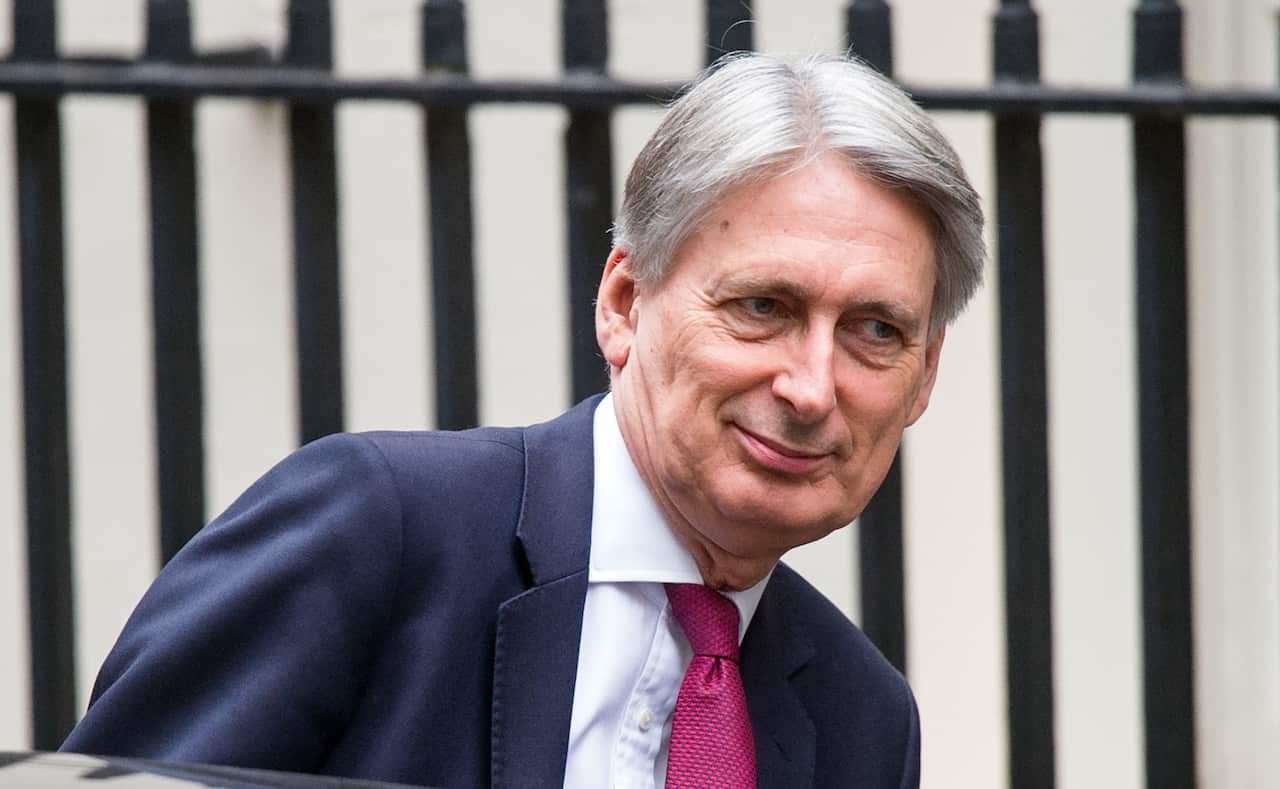
"This is a very modest impact on the overall size of the economy as the optimum way of leaving the EU," the chancellor of the Exchequer told BBC radio.
He insisted that the economy was not the only consideration and controlling Britain's borders, money and laws also had value.
"We have to look not only at the economy but the need to heal a fractured nation," said Hammond.
Struggle for consensus
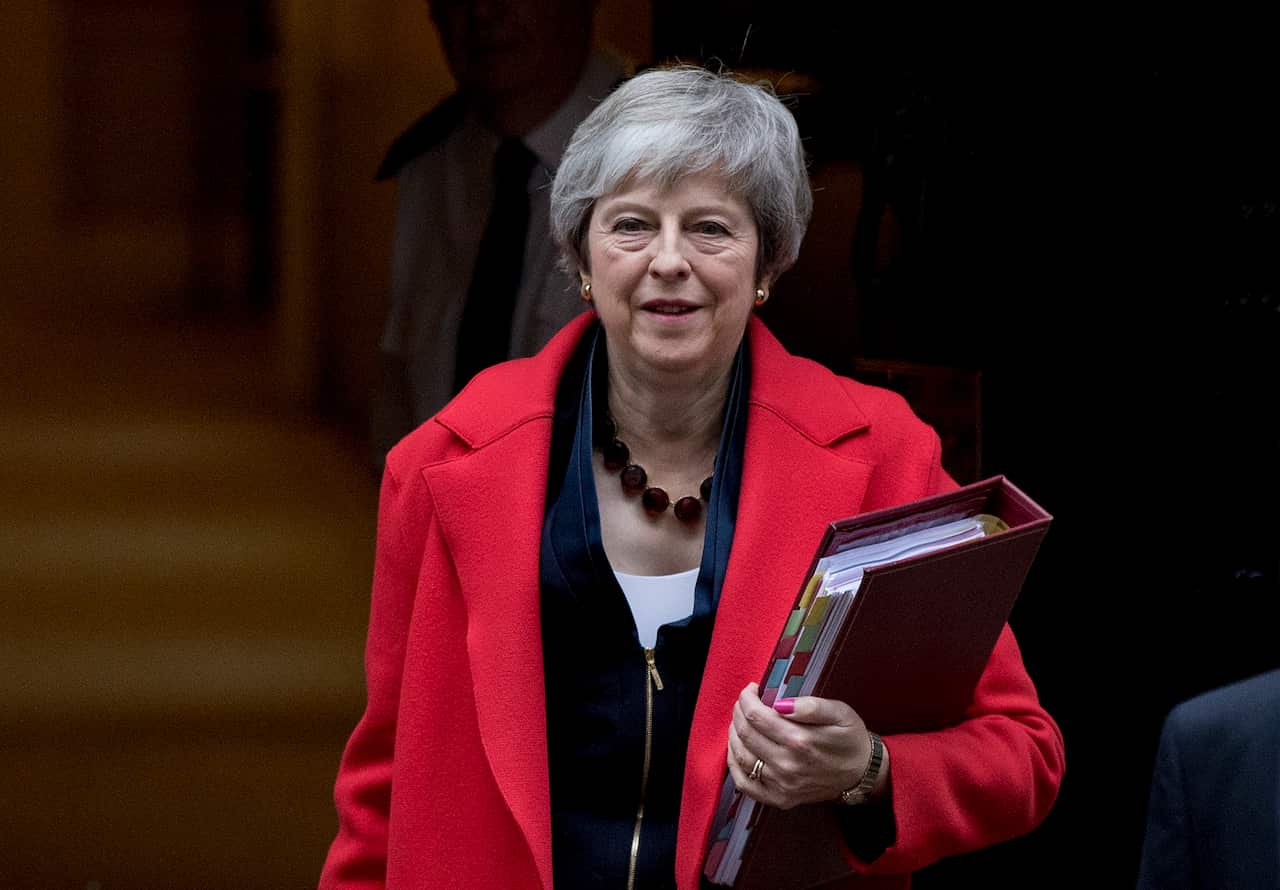
May was to face MPs again in her weekly prime minister's questions session in parliament on Wednesday.
May runs a minority Conservative government and opposition parties, as well as many of her own MPs, are against the deal.
Some Brexiteers think it keeps Britain shackled too closely to Brussels while pro-EU lawmakers think the terms are worse than staying in the bloc and want a second referendum.
An online Survation poll of 1,030 adults for the Daily Mail newspaper found that 37 per cent supported the deal - up 10 per cent on November 15 - and 35 per cent opposed it, down 14 per cent.
Some 41 per cent wanted MPs to vote for the deal and 38 per cent wanted them to vote it down, in the survey conducted Tuesday.
The poll also found that some 48 per cent supported holding a new Brexit referendum and 34 per cent were against.
If the parliamentary vote is lost, 48 per cent said May should resign while 40 per cent said she should carry on.
The British government and the EU have said that there is no alternative deal available than the one agreed.
If MPs vote it down, Hammond said the government would "consider very carefully how to proceed" through "uncharted political territory", by studying which MPs voted which way.
"It is very clear what there is not a consensus for in parliament; what is more difficult to concern is what there is a consensus for," the chancellor said.
Fishing for support
After facing lawmakers in the House of Commons, May was to head to Scotland to appeal over the heads of MPs to ordinary voters to support her plan.
Having spent Tuesday campaigning in Wales and Northern Ireland, May will use her visit to Scotland to argue that the agreement offers the prospect of an "unprecedented economic partnership" with the EU after Brexit.
She will also emphasise that it will mean Britain leaves the EU's Common Fisheries Policy after a transition period scheduled to end in December 2020.
"At long last, we will be 'an independent coastal state' again - taking back full sovereign control over our waters, and free to decide for ourselves who we allow to fish in our waters," May was to say in an address near Glasgow, extracts of which were released by her Downing Street office.
Scottish fishermen are furious they will have to continue obeying EU rules during the transition period, including much-despised quotas and allowing European vessels access to British waters.
Scottish First Minister Nicola Sturgeon's pro-EU nationalist party is opposed to the Brexit divorce deal.