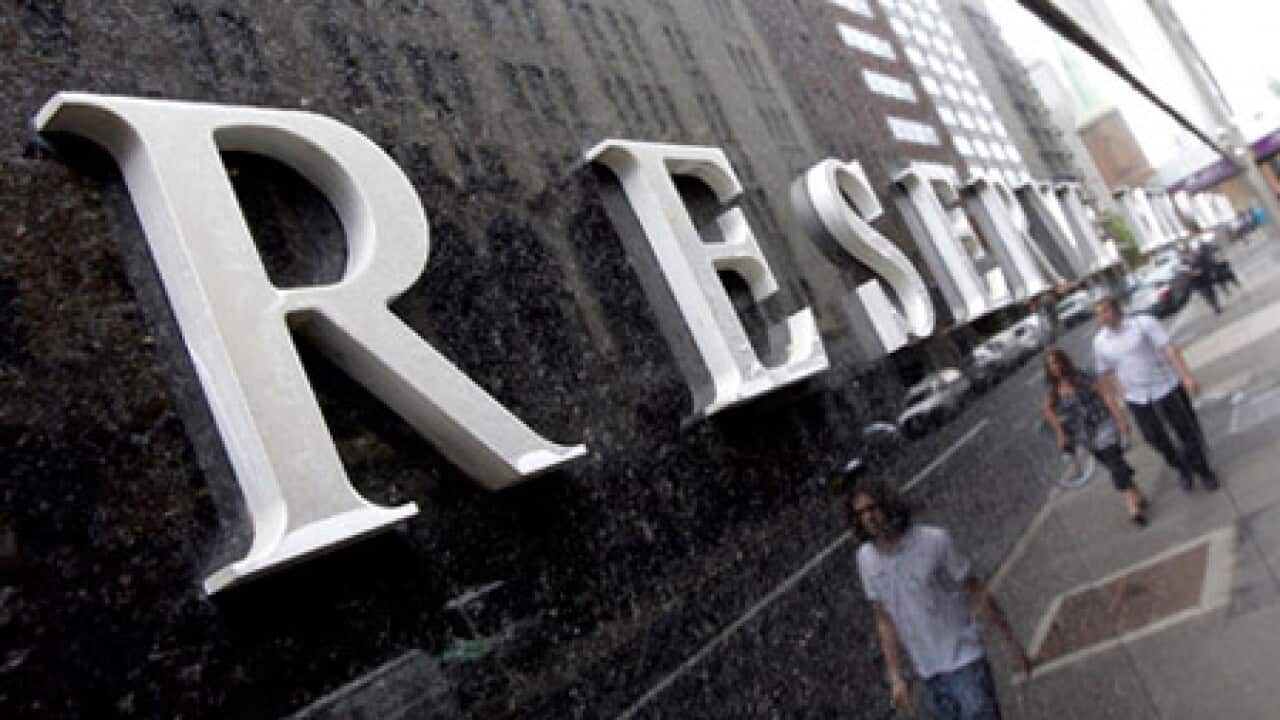
The Reserve Bank of Australia left the cash interest rate unchanged in February so it could assess the impact of its earlier rate rises and those of the commercial banks on the domestic economy, the latest board minutes reveal.
In early Febuary, the central bank board surprised financial markets by leaving the cash rate at 3.75 per cent following its monthly meeting.
"In considering the level of interest rates, members noted that the three increases in the cash rate late in 2009, together with the widening in the margins between the cash rate and many lending rates, had meant a material adjustment to the stance of monetary policy," the minutes said.
News that makes sense
Your trusted source for staying up-to-date with the world around you. Get free daily news updates and analysis, straight to your inbox.
"Members judged that monetary conditions were no longer exceptionally accommodative, though the structure of interest rates was still somewhat below average."
The RBA had lifted the cash rate by 25 basis points at each of its meetings in October, November and December to its current 3.75 per cent.
The board noted the decision to leave the cash rate unchanged was "finely balanced" but its members expected further rate increases if the economy continued to improve as predicted.
"But they did not regard that outlook as requiring an increase at every meeting, and they saw the earlier moves to begin withdrawing monetary stimulus promptly as affording the board a degree of flexibility in its subsequent decisions," it said.
"This allowed the possibility of waiting to receive some more information on how the economy was responding to the monetary tightening that had already occurred.
"Such a course would also allow time to monitor events overseas."
The bank said most market participants had expected the cash rate to rise this month, but board members had decided the "stronger case" was to leave the cash rate unchanged.







