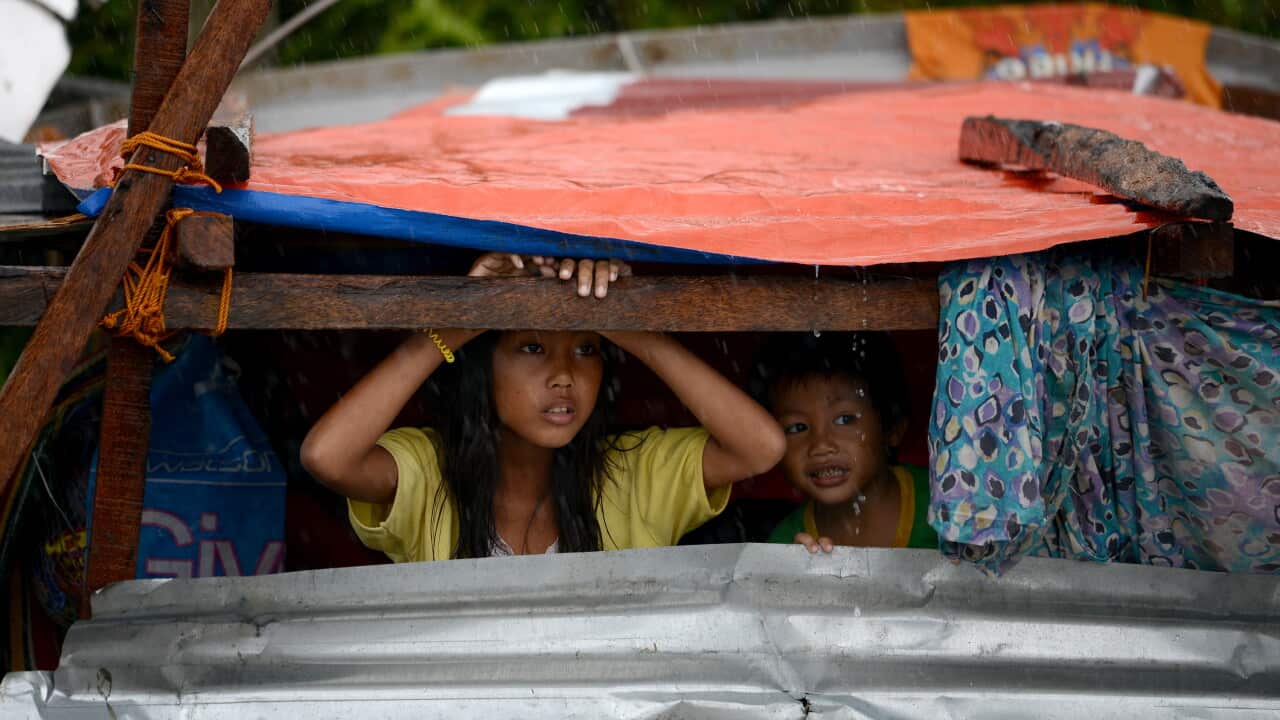
Chris de Bono, Asia-Pacific Regional Communications Chief for UNICEF, says it's still too early to tell the extent of damage and devastation left by Typhoon Haiyan, because in many areas, communication lines remain closed.
"We know what's going on in Tacloban, we're getting a sense of that, but Tacloban is one city on one island, and we just don't really know what's happening in the other parts," he says.
"At the moment, telephones are down. Of the nine airports in the region, only one is operational. Roads have been pretty much decimated, and there's not a lot of scope for ships, and they're slow."
News that makes sense
Your trusted source for staying up-to-date with the world around you. Get free daily news updates and analysis, straight to your inbox.
The aid organisation is working to get food, water, shelter and medical aid to the worst-hit areas.
"We know that houses have been destroyed," says Mr de Bono. "Clean water and sanitation facilities, because without those we run the risk of a second wave of disaster which would be cholera and typhus, and basic medicines."
Helicopters and C130 military flights have been ferrying supplies to the worst-hit areas.
The weakened tropical storm has since made landfall in Vietnam.







