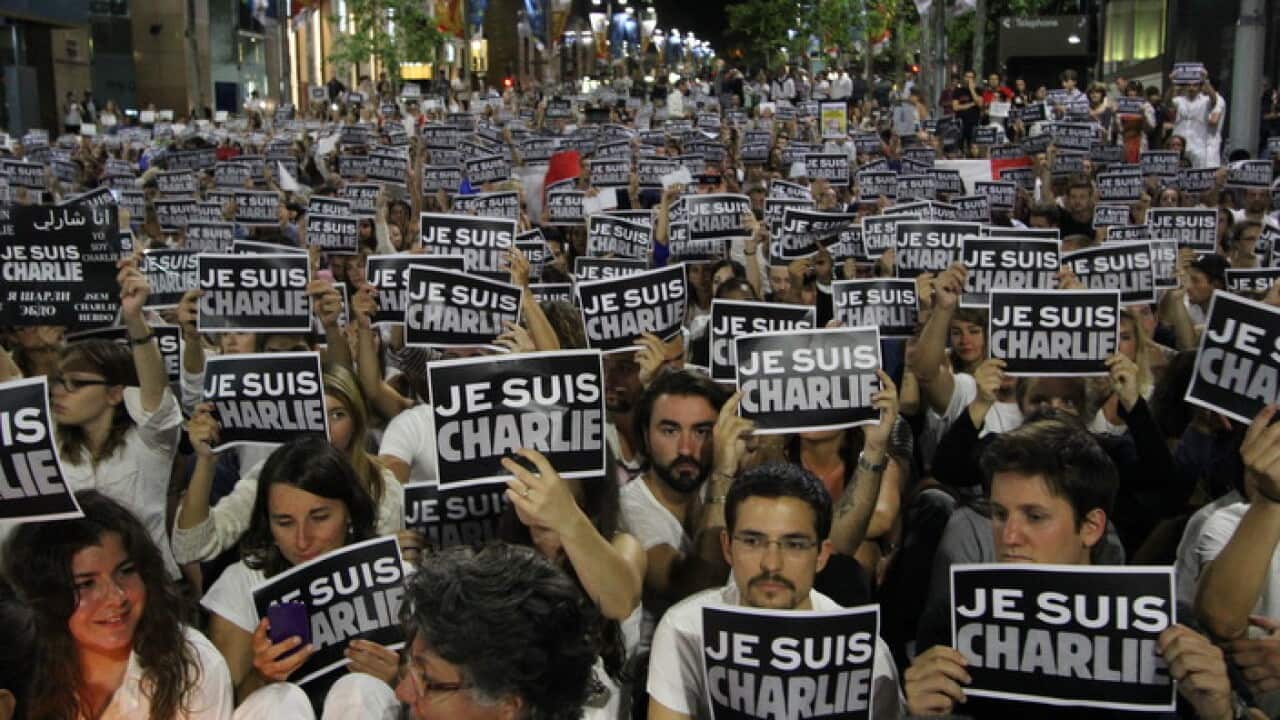
The bill, opposed by civil rights groups, some leftists and some members of President Francois Hollande's ruling Socialists, waives the need for judicial warrants to deploy phone taps, hidden microphones, cameras and other devices such as keypad communications readers.
Despite vocal opposition from critics who fear it will lead to mass-scale surveillance, the bill was approved by the lower house of parliament by a wide margin, with 438 votes in favor and 86 against.
Under the new law, instead of requiring a judge's approval, security officials can order surveillance after advice by a newly created supervisory body specifically dedicated to this.
In exceptional cases, surveillance agencies will be able to use so-called "IMSI Catcher" spy devices that record all types of phone, internet or text messaging conversation in an area.
News that makes sense
Your trusted source for staying up-to-date with the world around you. Get free daily news updates and analysis, straight to your inbox.
Prime Minister Manuel Valls has defended the law as vital to counter-terrorism activities and denied it was a French variant of the U.S. Patriot Act passed in the wake of the Sept. 11, 2001 attacks on the United States.
Nor was it similar, he said, to the widespread intelligence gathering exposed by former U.S. National Security Agency contractor Edward Snowden, sparking an international outcry.
"This bill, which provides a framework to the work of intelligence services, gives them more powers to be more efficient in the fight against terrorism and serious crime," he told reporters.
One of the leading worries for critics is a clause requiring web providers to automatically track suspicious behavior, relying on metadata rather than the content of communications.
Government agencies could then demand access to personal web information in cases of particular suspicion.
"Some of us are really worried about a piece of legislation that is unbalanced, gives too much power to the executive branch ... and has the potential to organize a mass espionage of the entire population through modern means," conservative UMP lawmaker Pierre Lellouche told reporters.
Most Socialist and opposition conservative lawmakers voted in favor of the text, while the Greens party voted against and center-right UDI lawmakers were split.
The upper house of parliament will vote on the bill in June.







