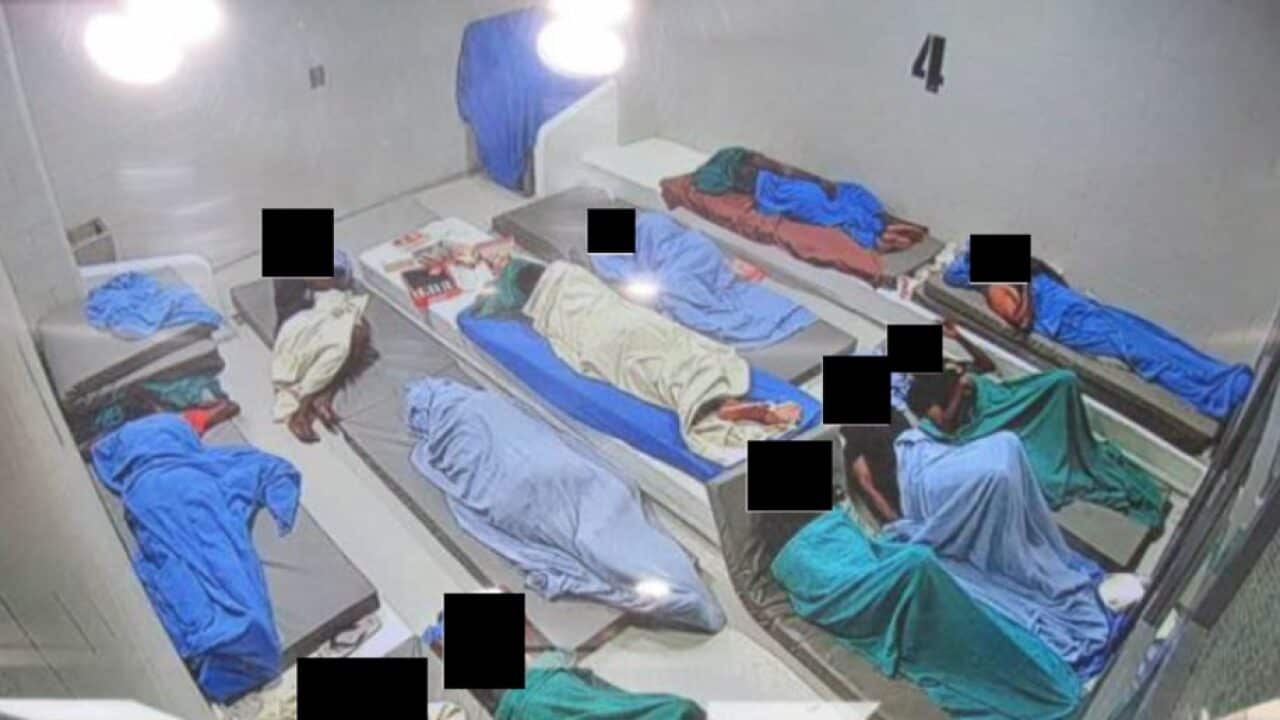
A United Nations Working Group on Arbitrary Detention has been barred from accessing any government operated facilities in the Northern Territory, while trying to assess the 'deprivation of liberty' in Australia.
The UN working body announced plans in November to visit the Australian Capital Territory, NSW and Western Australia, and was expected to arrive in the Northern Territory on 7 December.
But senior corrections managers in the NT have reportedly told its staff it was unable to accommodate the official request.
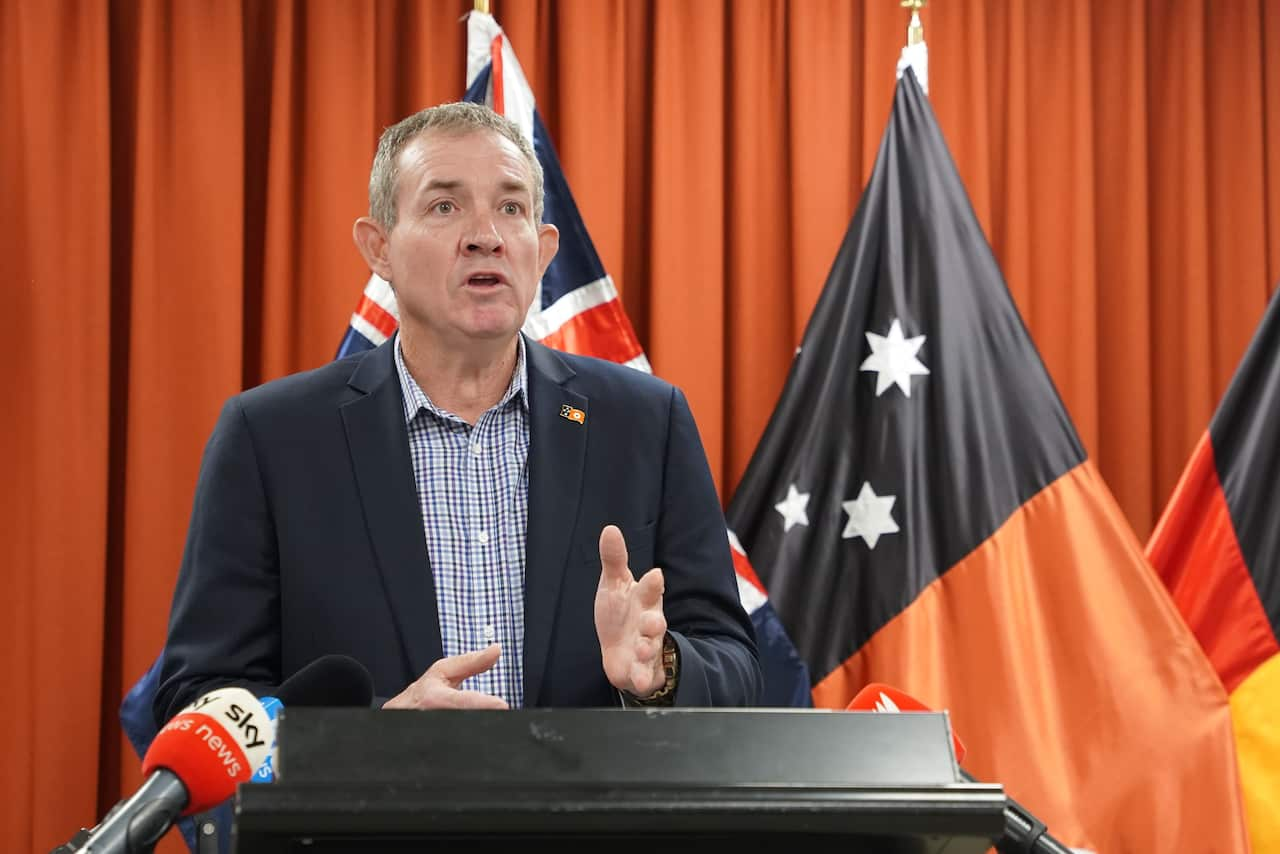
In a statement to SBS News, NT Corrections Minister Gerard Maley said this was due to "operational capacity, safety and workforce resourcing priorities" during this time.
"Territory detention facilities operate under established, independent statutory oversight, with strong safeguards and accountability for all people in detention and custody."
News that makes sense
Your trusted source for staying up-to-date with the world around you. Get free daily news updates and analysis, straight to your inbox.
The human rights body said it planned to meet with government officials, independent oversight bodies, civil society groups and other relevant stakeholders.
In a statement it also mentioned the delegation of two experts would gather information from prisons, police stations and from migrants and people with psychosocial disabilities.
Watchdog report found 'extremely poor' conditions
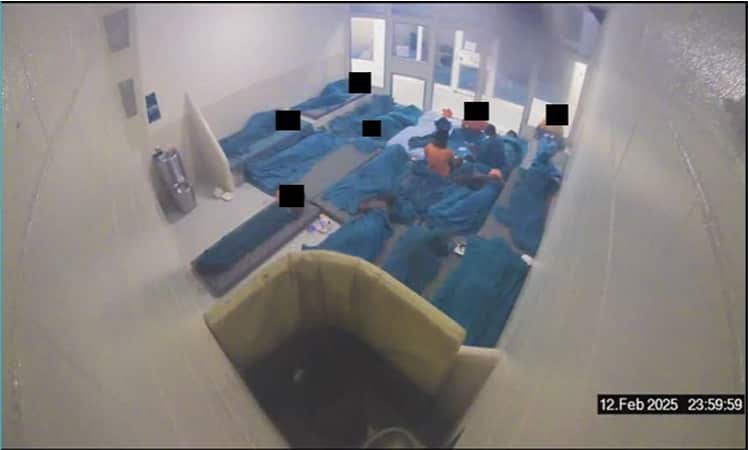
An NT ombudsman investigation into watch houses, tabled for public view on 27 November, described the housing of prisoners in police watch houses as "unreasonable and oppressive".
The investigation spanned four months from November 2024 to February this year, following a surge in prisoner numbers after the CLP government made changes to bail conditions.
Acting ombudsman Bronwynn Haack found prisoners suffered extreme confinement, sleep deprivation, inhumane toilet access, and widespread deterioration of physical and mental health.
"The conditions for Territory prisoners held in police watch houses during this period was unacceptably poor in several key regards," reads Haack's foreword.
"No prisoner, regardless of their offence, should be held in such conditions.”
Lia Finocchiaro's CLP government said it welcomed the ombudsman NT’s Investigation Report into conditions for prisoners in NT Police watch houses.
In a statement, Maley said the report reflected "years of neglect by Labor".
"But I want to make clear — we will continue to do what it takes to ensure we reduce crime across the Territory.
"We make no apologies for restoring the rights of victims and the community and I’ve said many times, if you do the wrong thing, we will find you a bed."
Keeping staff 'safe'
At a press conference about a significant gas agreement with Beetaloo Energy Australia on Tuesday, Maley would only answer one question about the UN visit, saying the move to block the human rights observer’s was about 'safety'.
"We worked hard, and we've got the prison up to a capacity now where we think it's operational," he said.
"This is about keeping the staff safe, and I have got full confidence in the staff with corrections officers [to] do their job, and we're focusing on keeping Territorians safe."
Independent MP says it's 'really frightening'
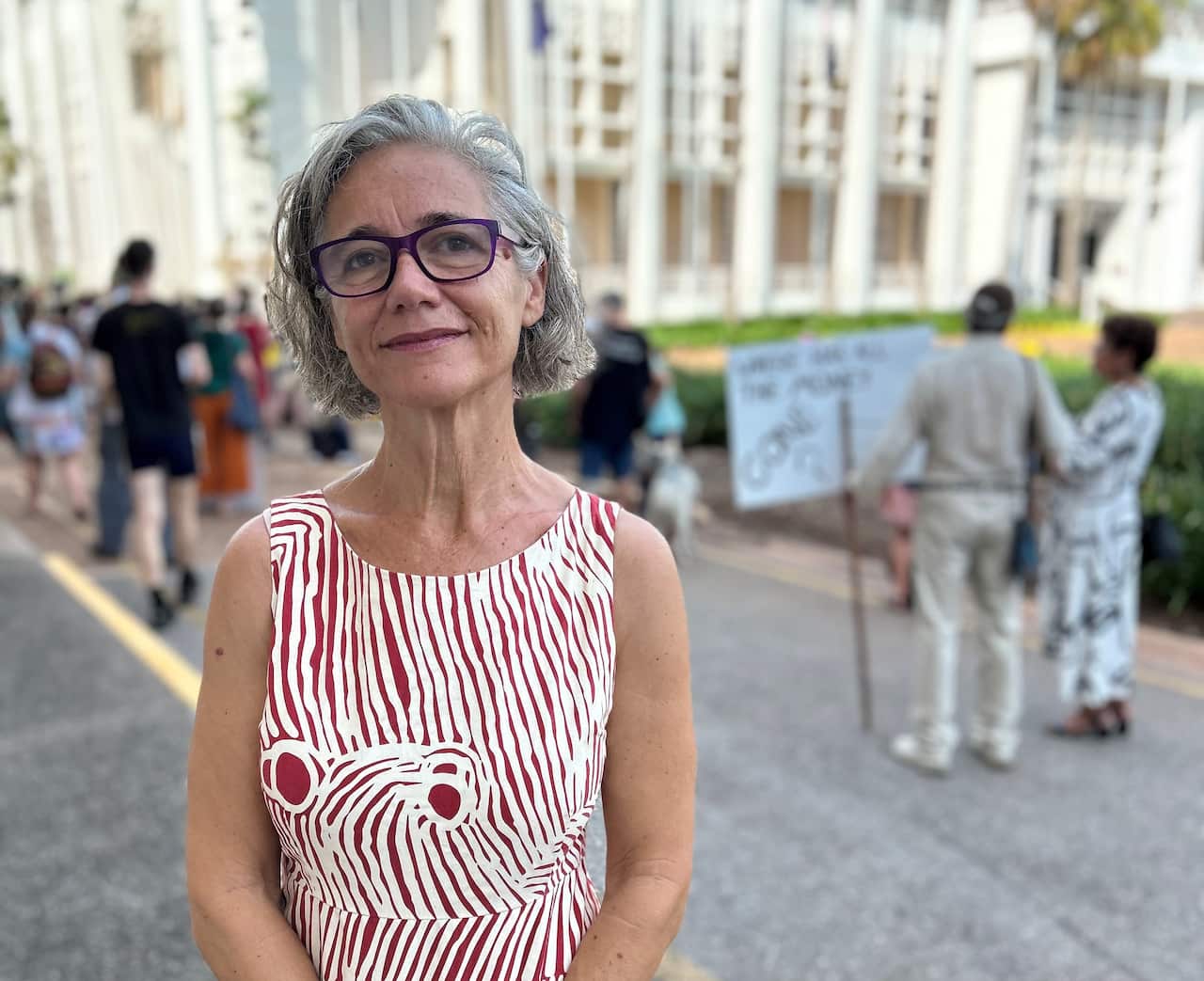
NT Member for Johnston Justine Davis told SBS if the government was confident its prisons met baseline standards they'd let the UN inspectors in.
According to the latest annual report published by NT Corrections, the average prison population has spiked by 15 per cent over the past year.
"For any government to say that United Nations Human Rights inspectors cannot come into prisons in those circumstances is just outrageous, and it's really frightening," she said.
"We are the most imprisoned population in Australia, and we have the highest rate of Indigenous people imprisoned in the world, per capita."
NT Court remand statistics show more than 1,000 Territorians were being held without a guilty finding in November.
Davis has called on the government to allow immediate UN access and for their findings to be treated seriously.
The Working Group on Arbitrary Detention plans to release its preliminary observations from its Australian trip on December 12, with a final report presented to UN Human Rights Council in September 2026.
For the latest from SBS News, download our app and subscribe to our newsletter.







