
On New Year's Eve, people all around the world party in their own way.
Some like to watch fireworks and have a drink or two, but others have some interesting and unique ways of celebrating.
From eating 12 grapes for good luck to drinking ashes - some New Year traditions might come as a surprise, but they are still observed today.
Spain
In Spain's vibrant New Year's Eve tradition, the clock striking midnight isn't just about watching fireworks. It's a grape-filled celebration with a rich history dating back to the late 19th century.
News that makes sense
Your trusted source for staying up-to-date with the world around you. Get free daily news updates and analysis, straight to your inbox.
The custom of eating precisely 12 grapes was introduced by some vine growers in the Alicante region as a savvy marketing strategy to boost year-end sales. What started as a business tactic soon transformed into a beloved ritual embraced by Spaniards across the country.
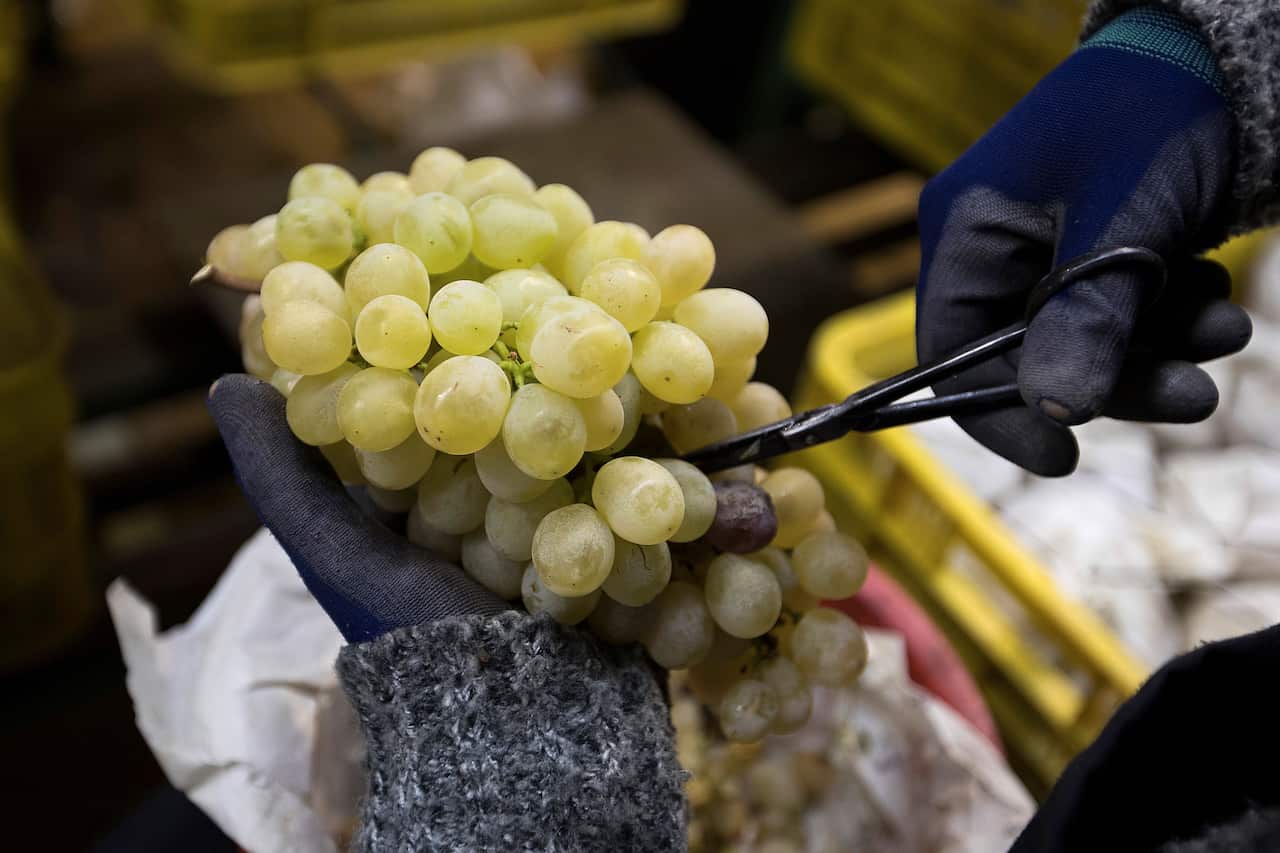
As the clock chimes 12 times, each grape signifies a hopeful wish for the upcoming year. The practice, now deeply rooted in Spanish culture, is believed to ward off bad luck and usher in a year of good fortune and prosperity.
Denmark
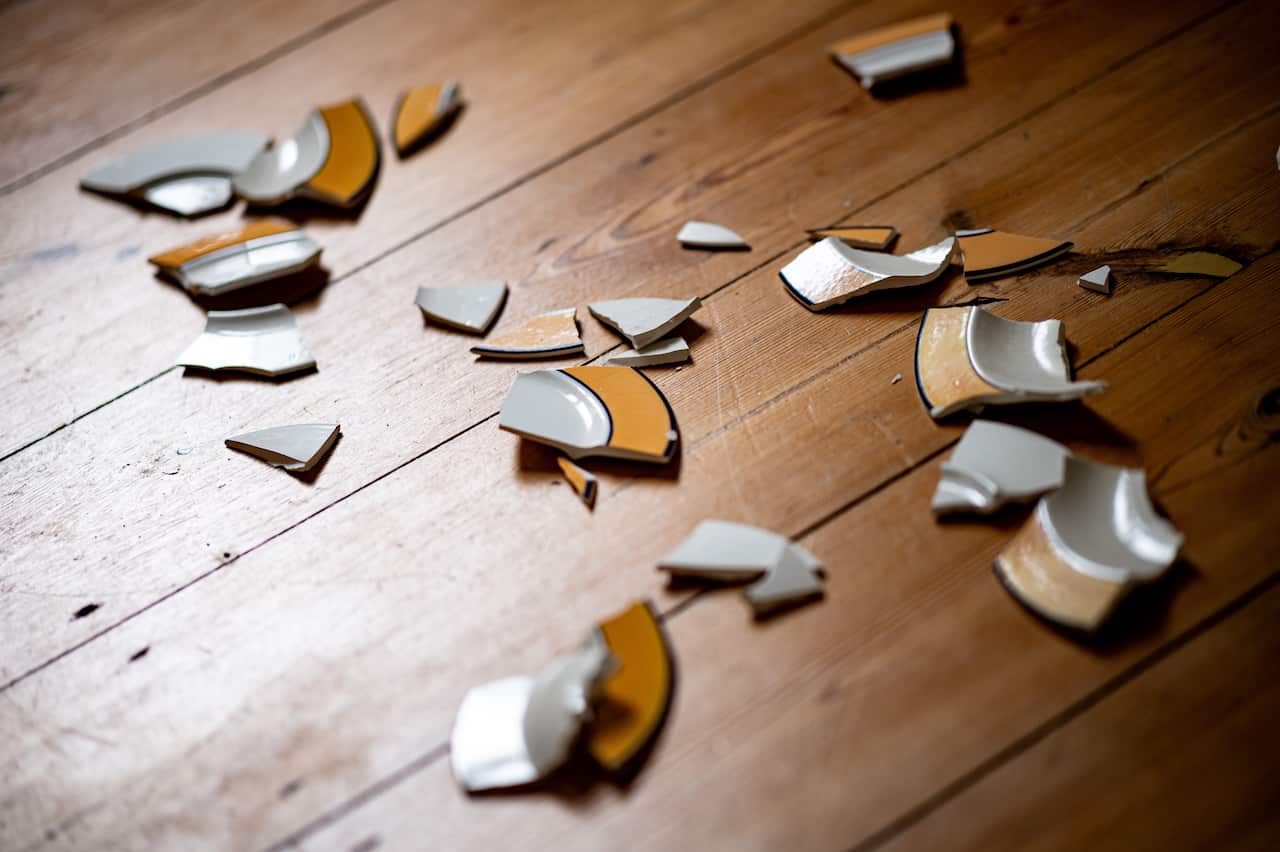
In Denmark, people gather to celebrate the new year and toss broken plates at the doors of their friends and neighbours when the clock strikes midnight. This quirky custom is believed to represent the act of casting away aggression and ill will, creating a fresh start for the upcoming year.
The fundamental belief behind this tradition is that the larger the pile of broken dishes, the greater the fortune that awaits in the coming year.
Japan
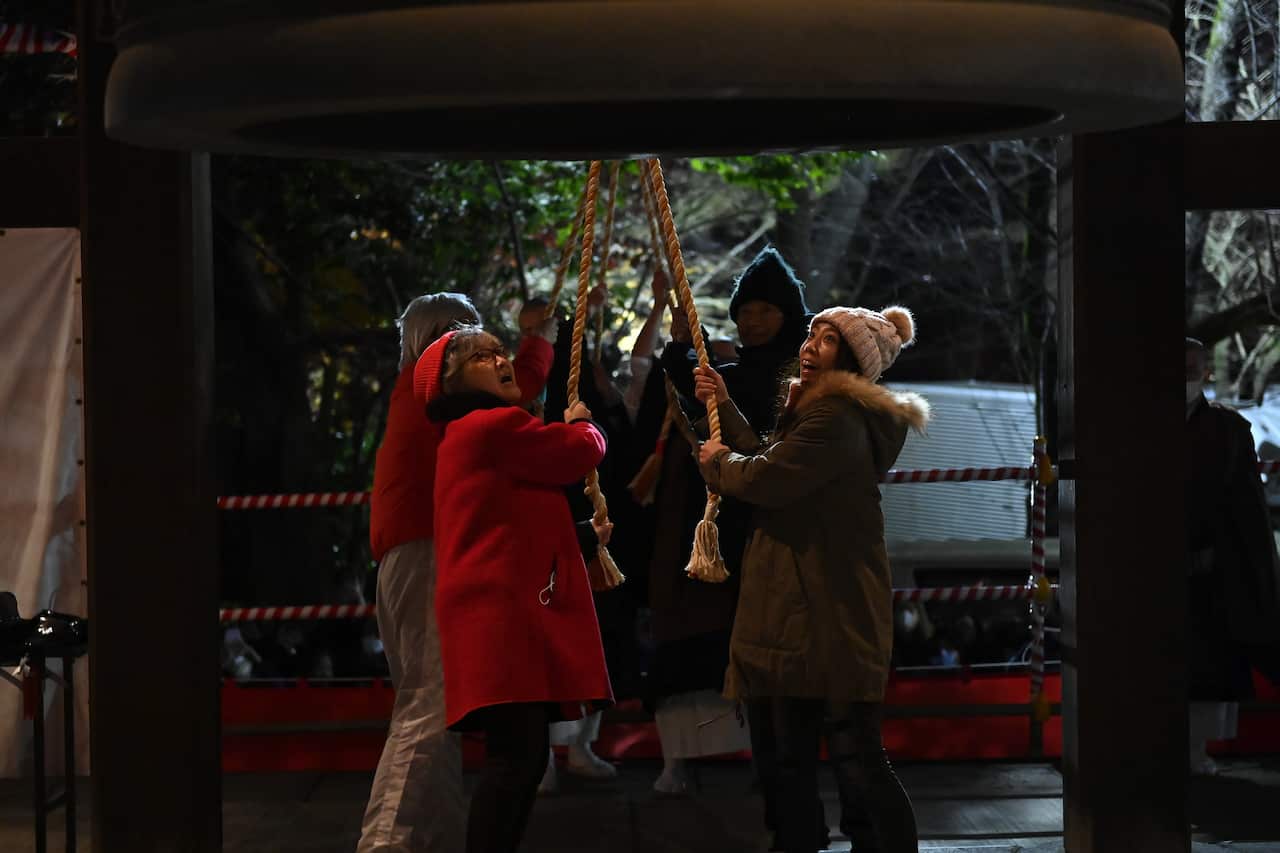
In Japan, New Year's Eve is celebrated with a traditional ritual known as Joya no Kane. During this ceremony, bells in Buddhist temples are rung 108 times to dispel the 108 evil desires that are believed to exist within every person.
This ritual is believed to cleanse the past year of sins and encourage personal reflection and purification.
Russia
In Russia, the most popular way to make wishes on New Year's Eve is by writing them on a piece of paper, folding it neatly four times, and burning it with a candle flame from the New Year's table.
After burning the paper, ashes should be thrown into a champagne glass and drunk while the clock strikes 12 times.
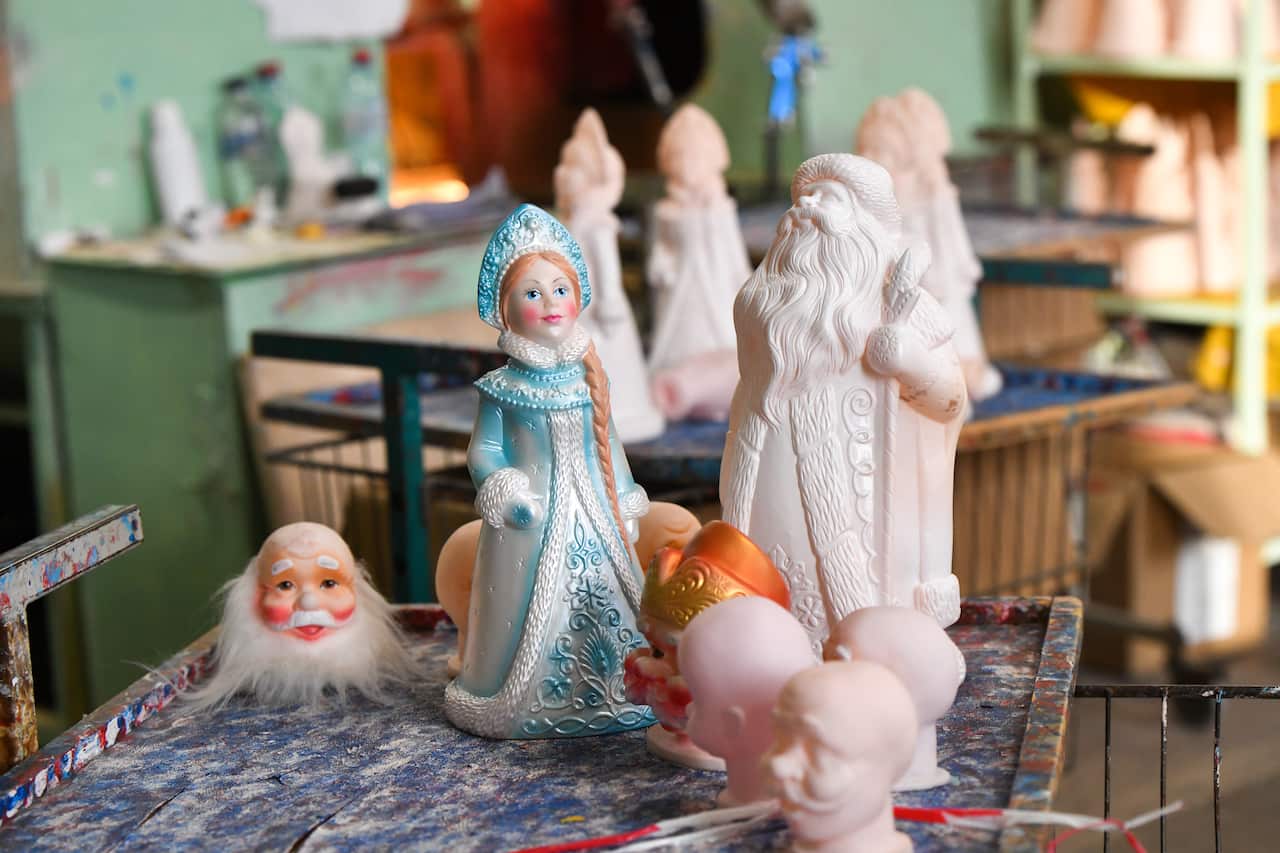
Another interesting fact about the Russian New Year celebration is that Ded Moroz (Russian Santa Claus) never comes alone but is always accompanied by a young girl named Snegurochka, believed to be his granddaughter.
Italy
In Italy, there are several interesting and unique New Year's traditions.
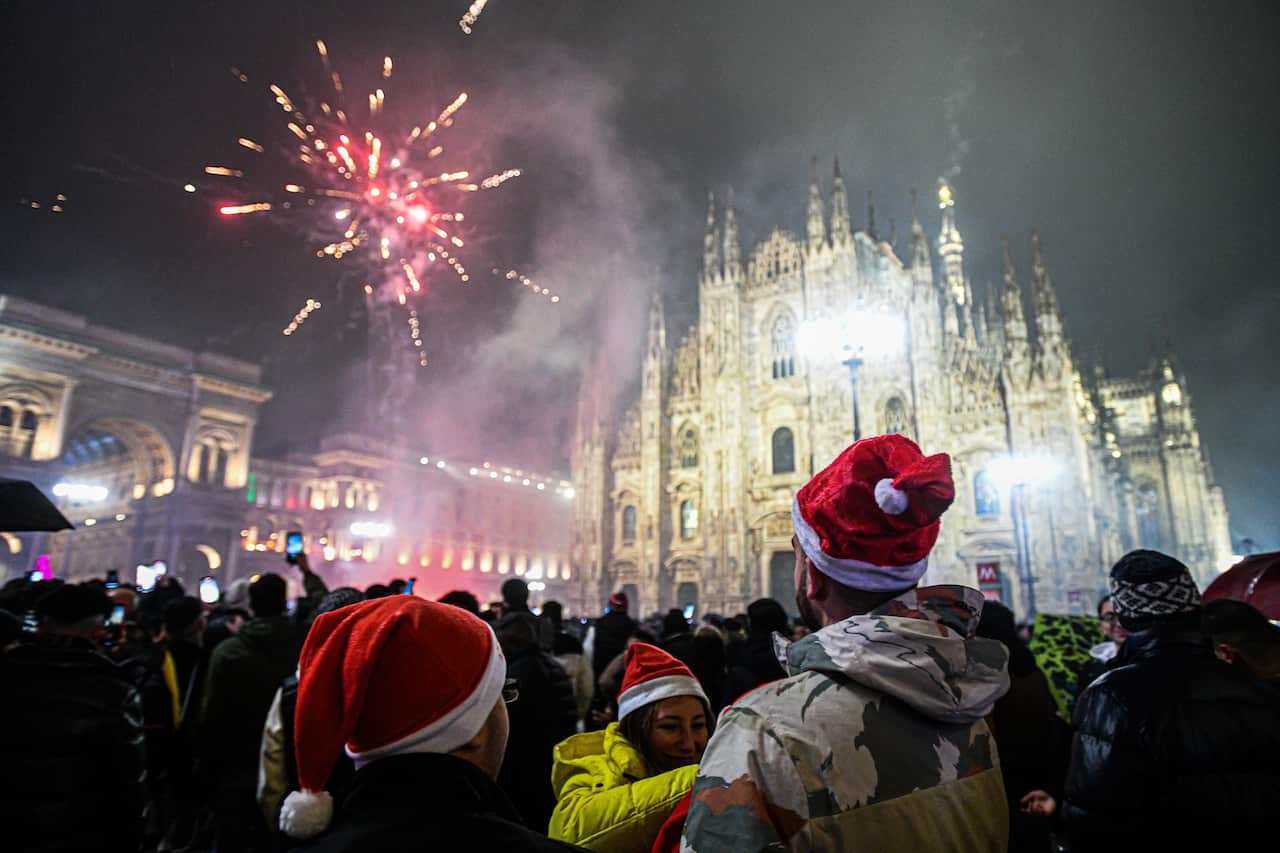
For instance, it's customary to eat lentils on New Year's Eve, as they are believed to bring good luck and prosperity for the coming year.
Another tradition involves throwing old pottery out of the window, which is done to symbolise letting go of the past and welcoming new beginnings.
Wearing red underwear on New Year's Eve is also a popular tradition, as it is believed to bring good luck in love and relationships.
Romania
Romania is known for its rich traditions and ancient customs.
During the winter season, numerous towns and villages in the area hold festivals and parades, with one of the largest being held on 30 December.
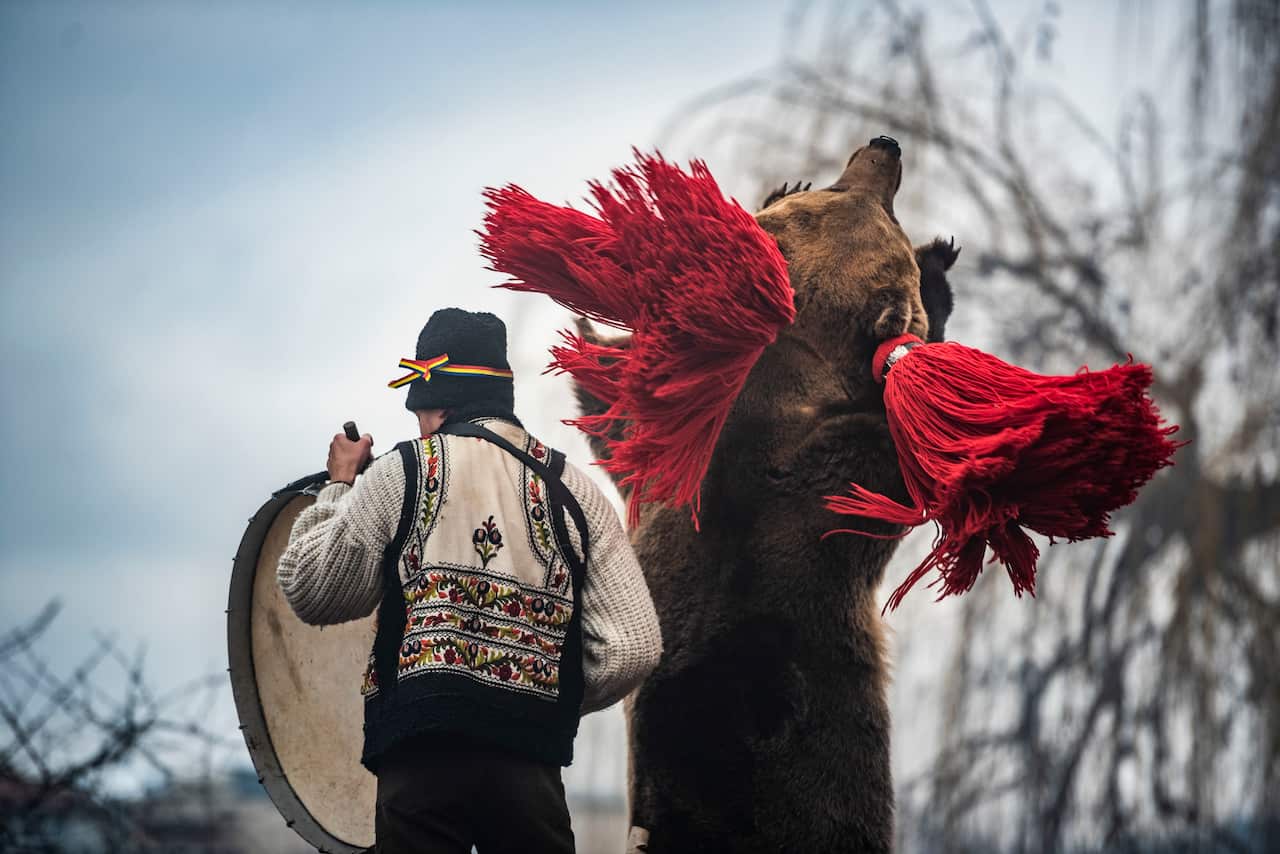
It has gained notoriety for its bear dancers - participants who dress up in bear costumes, often made of genuine animal furs, and parade through the streets of the town. Some of the costumes used in the festival are as much as 50 years old.
Brazil
Along Brazil’s extensive coastline, especially in Rio de Janeiro and Bahia, revellers partake in the age-old tradition of offering white flowers to Yemanjá, the goddess of the sea. It is believed that she specifically favours white flowers, particularly white roses.
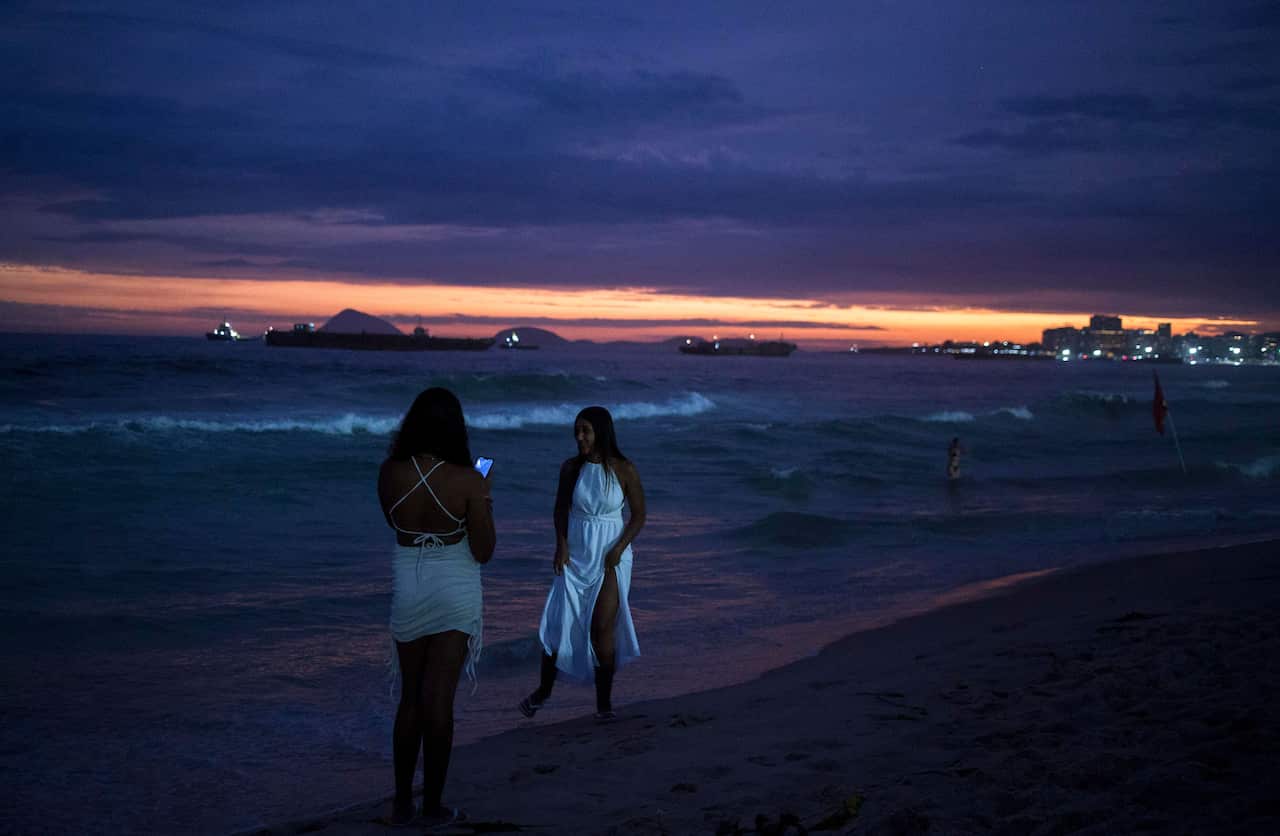
These offerings to Yemanjá are believed to bring luck and can be performed in any sea or ocean.
Another widely embraced tradition unfolds just minutes after the midnight fireworks. Brazilians remove their shoes and head to the ocean to leap over seven waves.
Jumping over seven waves is seen as an invocation of special powers to pave the way for the coming year.
Each jump is accompanied by a personal request for something they hope to achieve in the upcoming year.
China
For Chinese people, 31 December may hold less significance compared to the grand celebrations of the Lunar New Year.
However, like the Lunar New Year, 1 January still marks a new beginning, and some people celebrate it by getting a haircut to symbolise a fresh start.
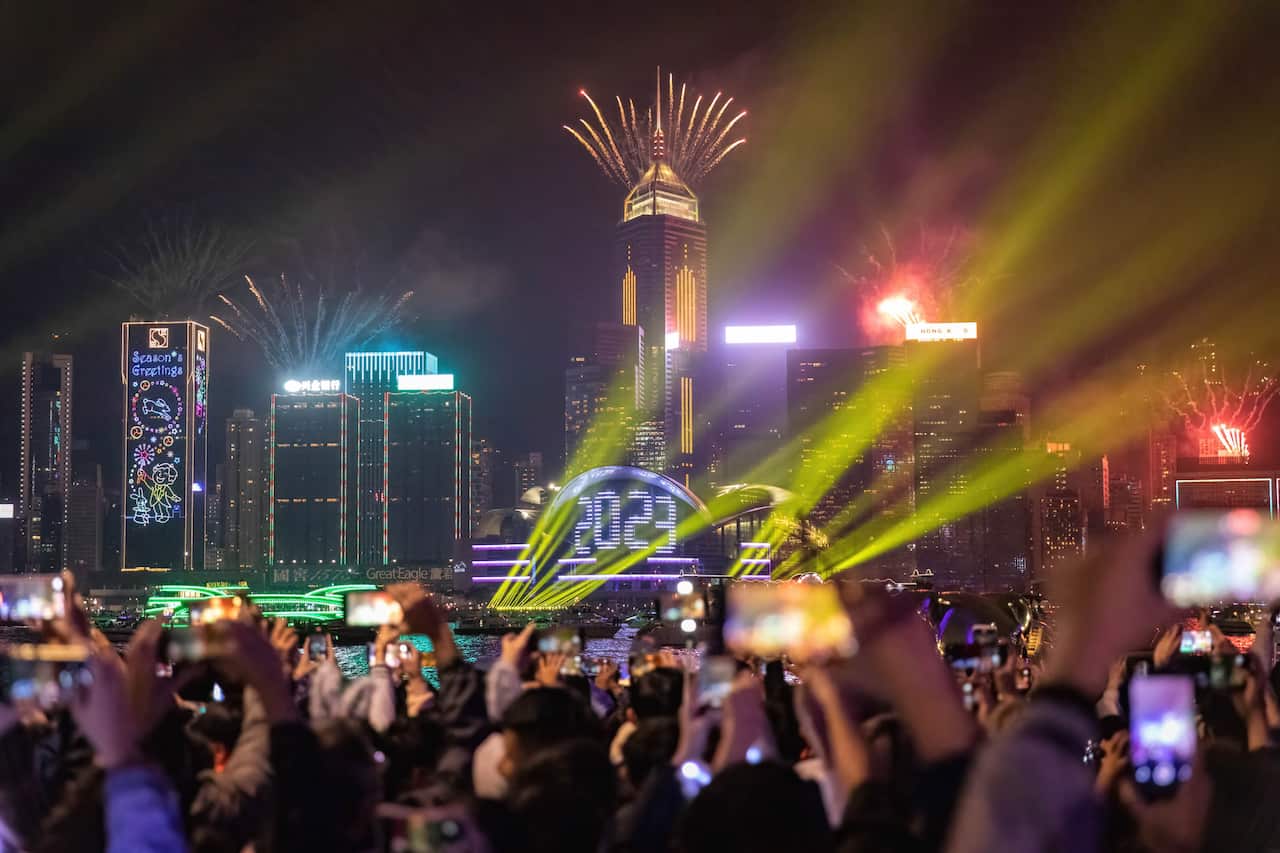
Those in Hong Kong (due to their British colonial past) celebrate the transition from 31 December to January, just like many Western cities.
Hongkongers watch fireworks light up Victoria Harbour's night sky that locals say are a real rival to Sydney.
In collaboration with SBS Portuguese, SBS Spanish and SBS Chinese.







