
Now the extraordinary story of the young Syrian athlete who took Rio de Janeiro by storm is to be told in a Hollywood movie and a memoir that she hopes will inspire others and challenge negative perceptions of refugees.
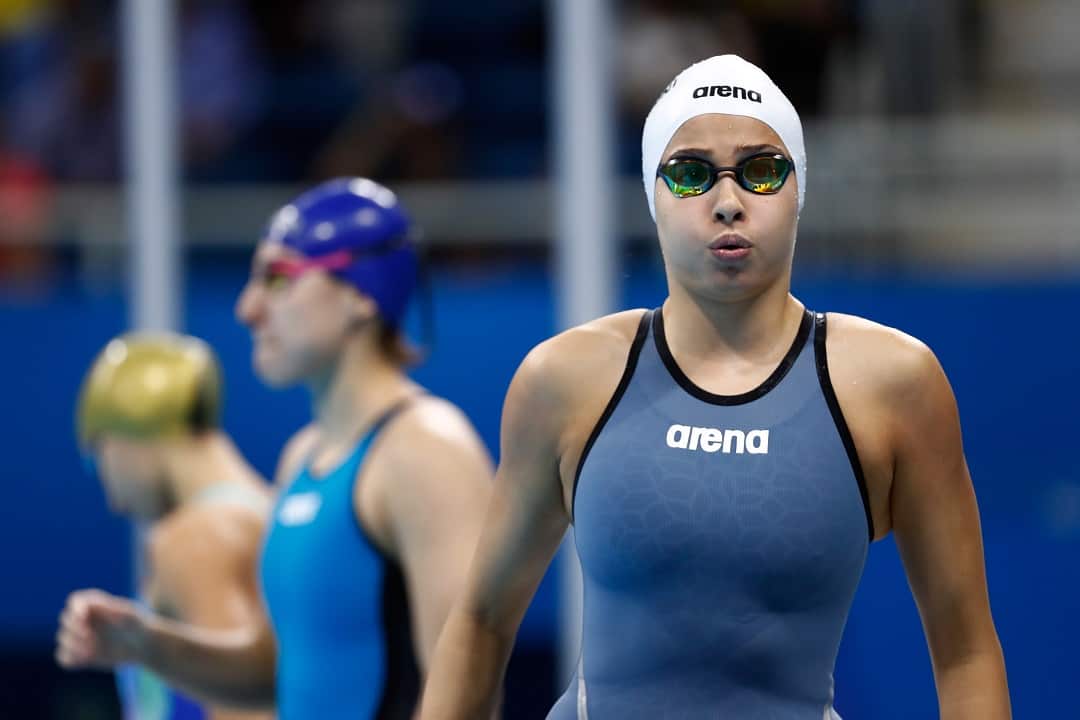
“It was the biggest sporting event in the world. It was crazy, it was amazing,” Mardini, now 20, told the Thomson Reuters Foundation in her new home city Berlin.
“When I was at the starting blocks, you just see lights and hear the people’s voices. They were all cheering. I didn’t feel my legs any more,” she said at her swimming club in the German capital.
News that makes sense
Your trusted source for staying up-to-date with the world around you. Get free daily news updates and analysis, straight to your inbox.
When she was initially offered the chance to be part of the first refugee team to compete in the Olympics, Mardini nearly said no, fearing the response would be pity.
The experience of competing under the Olympic flag along with nine fellow refugees transformed that view, giving her a new sense of pride in her status.
“Refugee - you just feel ashamed when you hear this word,” said Mardini.
“Then when I went (to Rio) I had a whole different view. I’m now proud about being a refugee.”
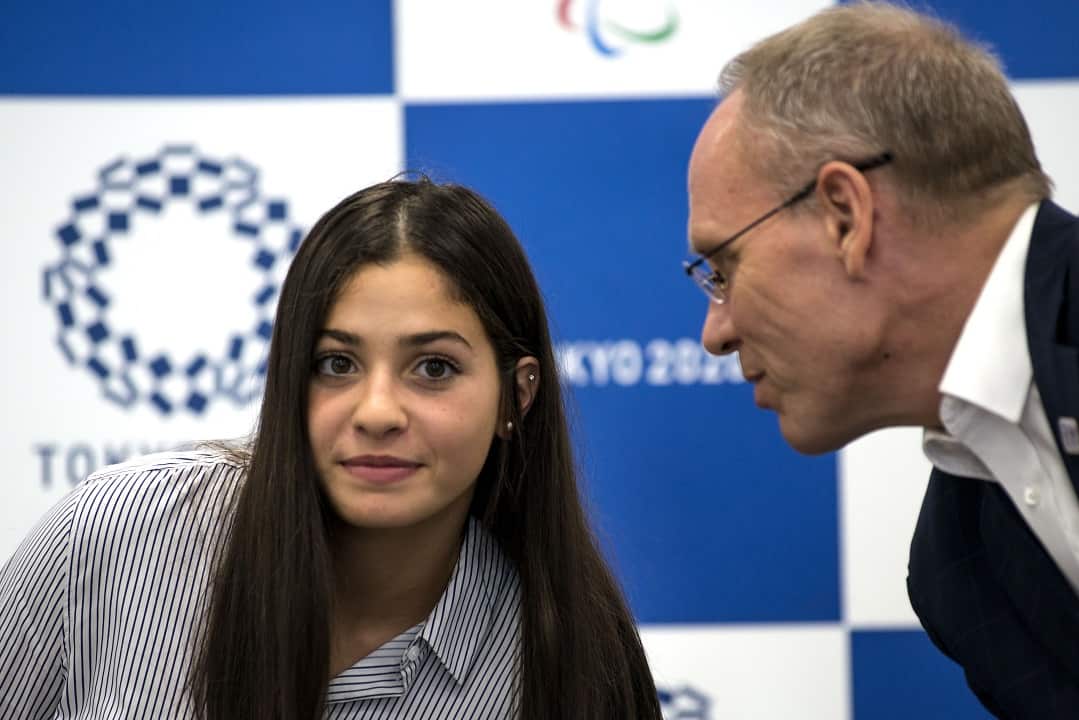
Since then Mardini, the youngest person to be appointed as a goodwill ambassador for the United Nations refugee agency, has spoken at global summits and visited refugee camps in Italy.
Bombs in the pool
Mardini, who at 18 swam in the 100-metre freestyle and 100-metre butterfly, now has her sights on the Tokyo 2020 Games.
In Germany, where she lives with her parents and sister, Mardini trains for 30 hours a week in the pool and the gym.
It is a far cry from her life in Syria, where even during training there was no escape from the war.
“Sometimes you’re swimming and a bomb comes in the pool, so you have to run out and go hide. It wasn’t just once, it was three or four times. It was horrific,” she said.
Mardini was a keen swimmer from a young age, but her dream of being a professional athlete came to a grinding halt when the Syrian war broke out in 2011.
She left her home in the war-ravaged capital Damascus in 2015 and headed to Turkey with her older sister Sara.
One evening, the pair boarded a dinghy on the Turkish coast along with 20 others - three times more people than it was designed to carry. As the overcrowded boat made its way towards Greece, it started to sink.
With no other choice, Mardini and her sister, also a strong swimmer, along with two other refugees jumped into the sea and dragged the small vessel for more than three hours to the Greek island of Lesbos.
“I was trying to be positive and I was praying with everyone. It was really hard,” Mardini said.
“Me and my sister thought the same thing: we are both swimmers and it would be a shame if we died there.”
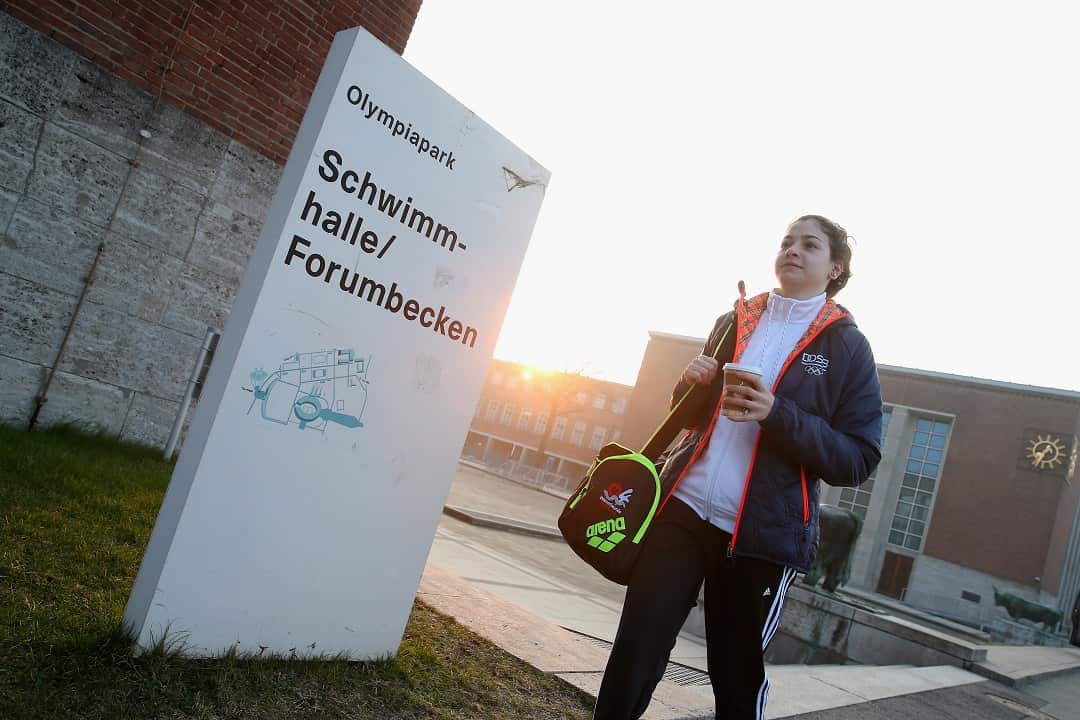
After reaching Greece, Mardini and her sister weaved their way through central Europe before arriving in Berlin in 2015, joining more than a million refugees who streamed into Europe that year, fleeing conflicts and political turmoil.
Memories of that journey will always remain with her, she said.
“It is like carrying a huge bag with rocks on your back. But also, you can’t get rid of them, because they made who you are now,” she said.
Mardini hopes her memoir “Butterfly”, out in May and named after her strongest stroke, will inspire others.
“A lot of people think refugees are poor, or that they wanted to do this trip (to Europe). But those people went out of their country because there was a lot of violence,” she said.
“I want to change people’s perception of what a refugee is. I’m going to keep supporting and fighting for refugees.”







