

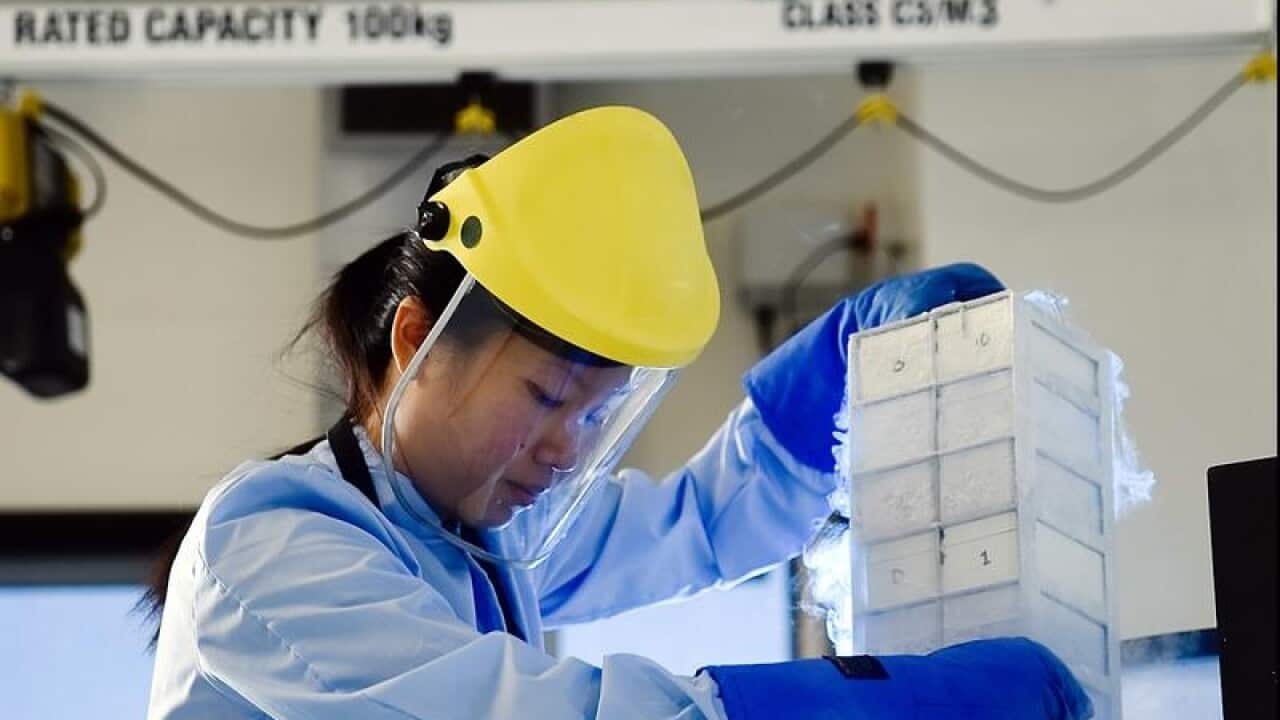
Australians rolling up their sleeves to donate blood could soon be helping to save the life of a soldier on an overseas battlefield thanks to a "life-saving" new technology.
Australia is now one of only three countries in the world able to successfully freeze and thaw blood products, a process that significantly increases the shelf life of some blood parts by up to 10 years.
In the past, transporting life-saving blood to trauma victims in the midst of battle was a race against time, but the new technology will mean medics will have the stores of blood they need on hand to help thousands of Australian military personnel in conflict zones.
"It means if there are accidents, or if there are shootings which leads to mass bleeding, in particular, we will be able to use that technology on the spot to save lives," Defence Personnel Minister Dan Tehan said.
"It's lifesaving for the troops we put on the ground."
News that makes sense
Your trusted source for staying up-to-date with the world around you. Get free daily news updates and analysis, straight to your inbox.
Trials are now underway to take the technology to rural and remote communities across Australia.
"So rather than having to transport patients to get the help they need, we will be able to deliver the blood that they need immediately and that will save lives," Mr Tehan said.
When not frozen, red blood cells have a shelf life of up to 42 days. Platelets must be used within five days from donation to transfusion - presenting an issue for patients living outside of metropolitan areas.
Having seen her fair share of deployments in both humanitarian and combat roles, Surgeon General Air Vice-Marshal Tracy Smart says the technology has added benefits on top of saving lives.
"It will reduce waste as well, otherwise we have to bring the blood there and if we don't use it ... after six weeks we will just have to get rid of it," she explained.
"It just makes it that much easier, we don't have to rely on that logistics chain nearly as much if we've got this stuff on the shelf and we can keep it from anywhere from two to 10 years."
The ability to freeze and thaw blood without compromising its use, from a hospital to a field tent in battle, was the result of seven years of work by researchers at the Australian Red Cross Blood Service and Defence.







