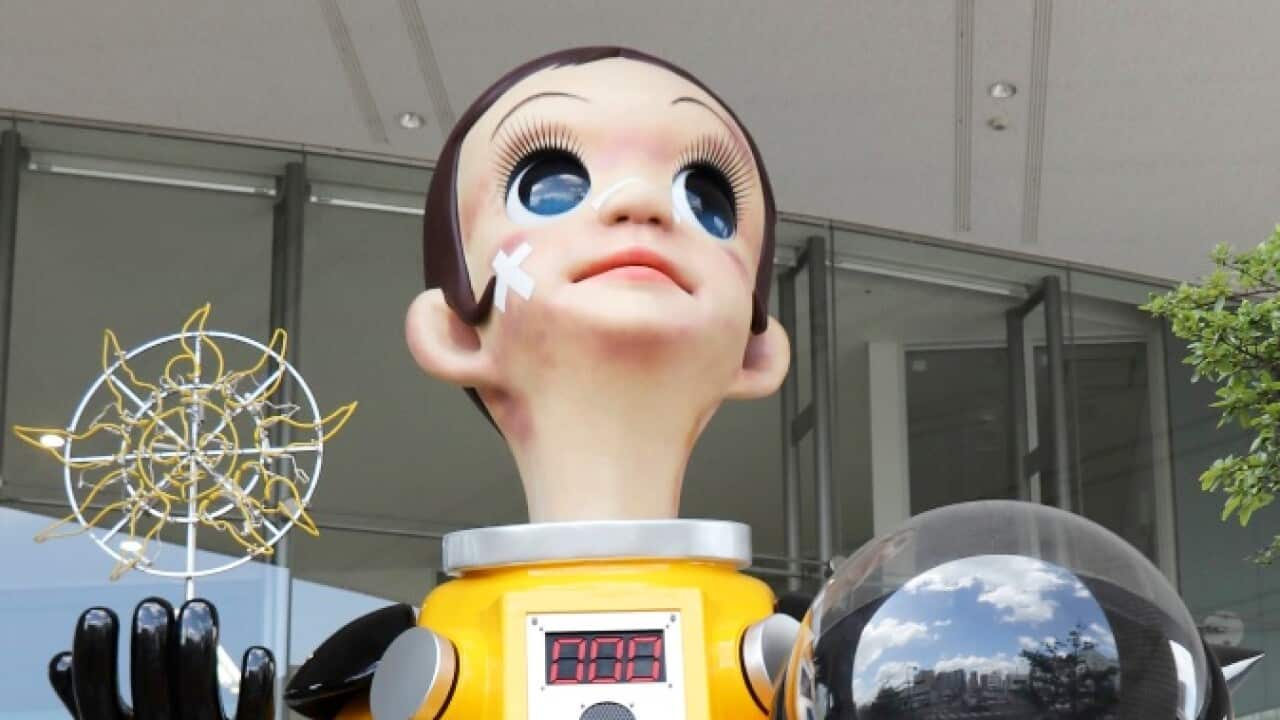
A giant statue of a child wearing a radiation suit in the Japanese city of Fukushima will be removed after it sparked a huge controversy in the nuclear-hit area.
Fukushima city mayor Hiroshi Kohata said the statue intended to be a symbol of reconstruction had ended up being divisive.
"I judged it impossible to keep displaying a statue meant to be 'a symbol of reconstruction' when citizens are divided over it," Kohata said in a statement Tuesday.
He said the statue on display near the city's main train station would be "removed as soon as possible" and officials would discuss what to with the 6.2-metre (20-foot) figure.
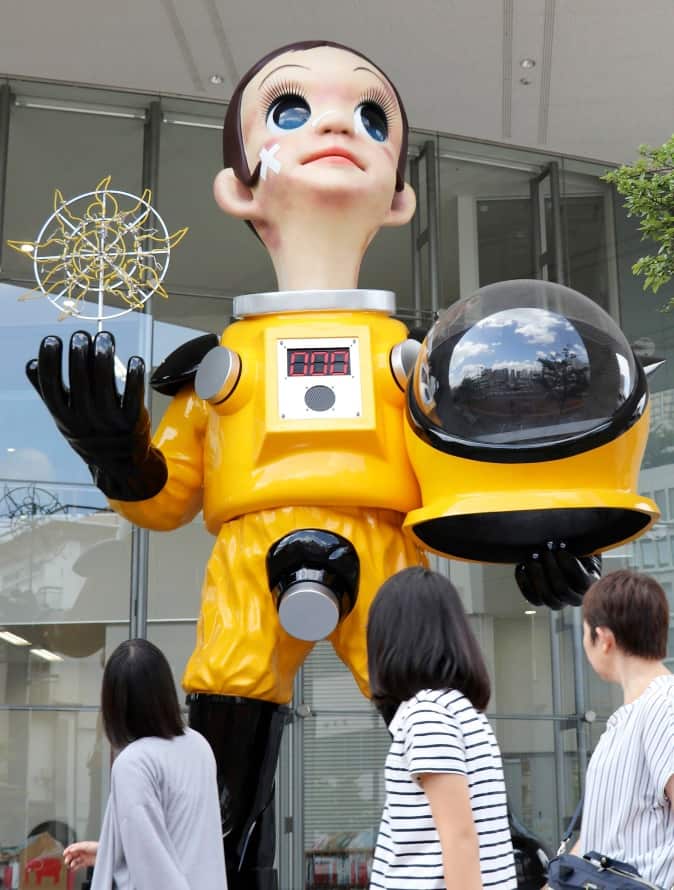
The statue, named "Sun Child" and sporting a yellow protective suit with a digital display on its chest showing "000" to symbolise zero nuclear contamination, was installed at the station earlier this month.
The figure holds a helmet in one hand, showing the air is safe to breathe, and a symbol of the sun in the other, representing hope and new energy.
But it prompted a deluge of criticism online, with some calling it "creepy" and others arguing it did little to help Fukushima as it fights to restore its reputation.
"I sincerely apologise to the people whose feelings were hurt," Kohata said, adding that he also felt sorry for those who had supported the statue, including children involved in naming it.
Fukushima city is the capital of Fukushima prefecture, whose Fukushima Daiichi nuclear plant melted down in the 2011 tsunami, becoming the world's worst nuclear disaster since Chernobyl.
The meltdown affected a vast agricultural region, forcing many local residents to give up their ancestral properties -- possibly never to return due to severe radioactive contamination.
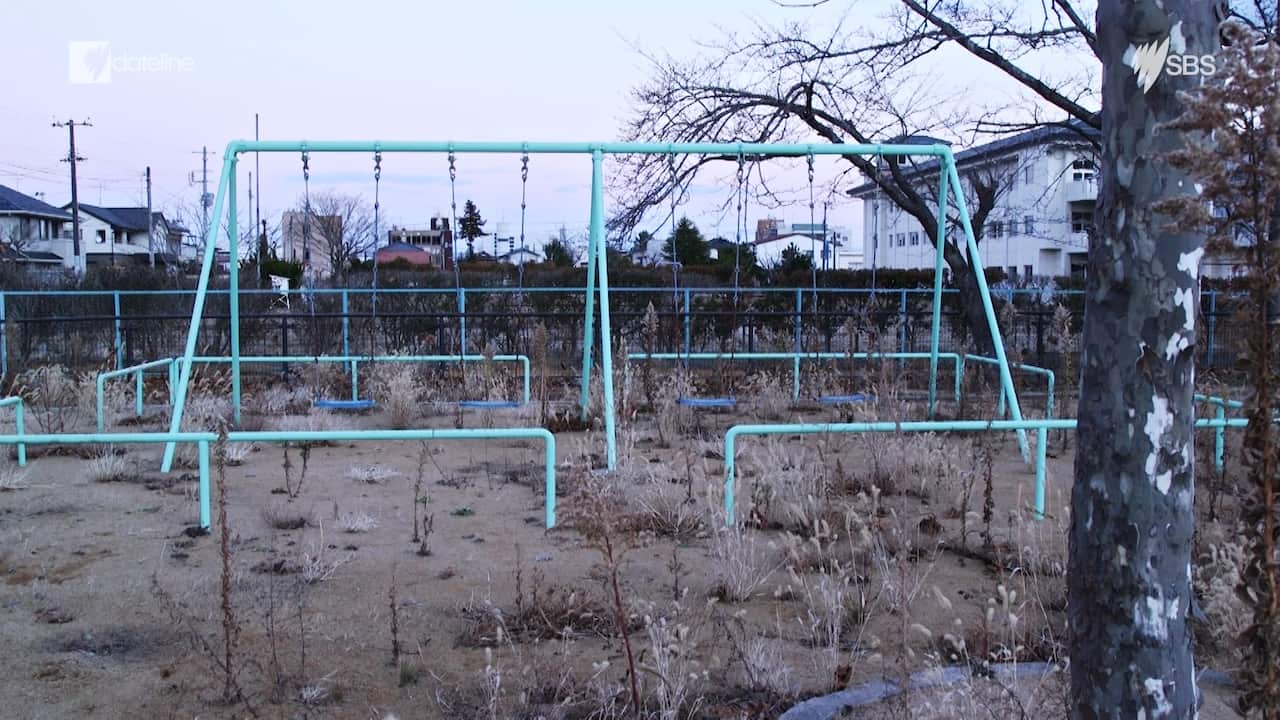
The area is battling to restore its reputation and local farm produce undergoes radiation checks to ensure it is safe before being shipped to stores.
Nevertheless, many consumers shy away from buying for fear of contamination.
The artist, Kenji Yanobe, said he had tried to show "bright hopes for the future" by depicting the child as looking to the skies.
On his website, he described the statue's removal as "very regrettable" but said he no longer wanted his work to be a source of controversy inside and outside the city.





