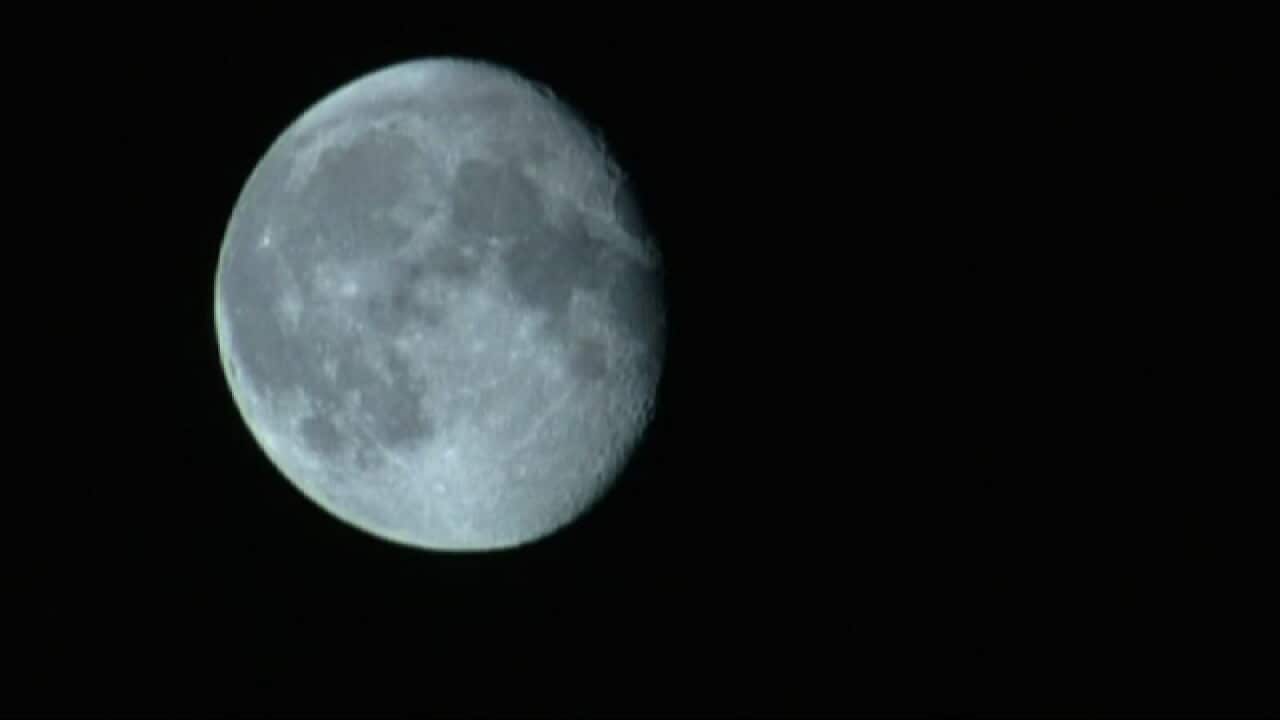
Thirty-three volunteers have taken part in a Swiss study that found people were more likely to have a disturbed sleep when the moon is full.
Researchers monitored the volunteers' brain's activity, where they found that on average the volunteers slept 19 minutes less and took five minutes longer to nod off when it was a full moon.
Although the volunteers were kept in a dark room at a sleep clinic and were unaware of the moon's cycle that it seems had no effect on the results.
And according to author and Doctor Neil Stanley, this could be due to the human body evolving with the moon's cycle.
"We evolved on the planet at a time when we didn't have clocks or calendars and the moon was a time of celebration, you've gone through another month and therefore we actually had a party every full moon and that over a million years lead to innate behaviour that we now as a residual folk memory have in our bodies," Dr Stanley said.
News that makes sense
Your trusted source for staying up-to-date with the world around you. Get free daily news updates and analysis, straight to your inbox.
The study also found that the volunteers had a 30 per cent less deep sleep, which is necessary for the body to refresh itself.
“It looks like this is the first ever story where there it actually looks like a biological effect in human beings of the cycle of the moon, which obviously makes it very exciting on many levels,” University of Surrey's Dr. Malcolm Von Schantz







