

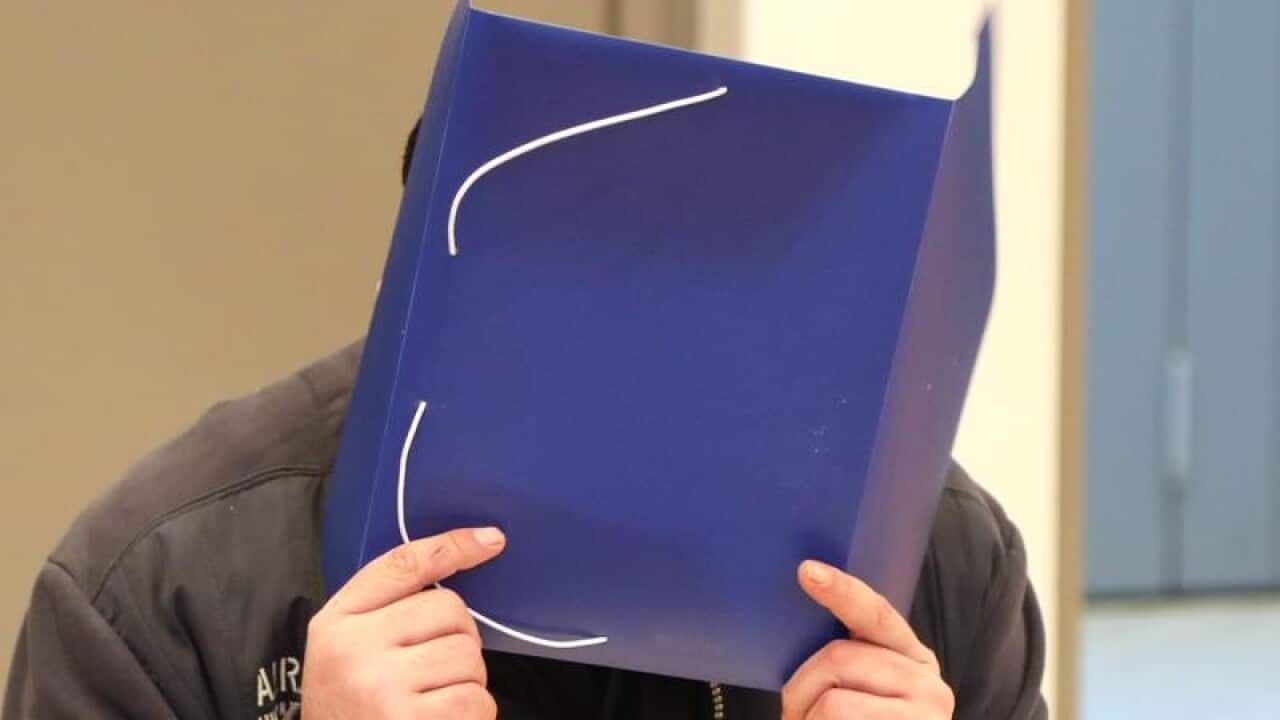
A former nurse on trial for mass murder in northern Germany has admitted to killing 100 patients.
Niels Hoegel's trial has opened in the northwest city of Oldenburg.
When asked by the presiding Judge Sebastian Buehrmann whether the 100 allegations of abusing patients to death were largely true, Hoegel replied, "yes".
Hoegel is accused of carrying out the murders between February 2000 and June 2005 in hospitals in the cities of Oldenburg and Delmenhorst.
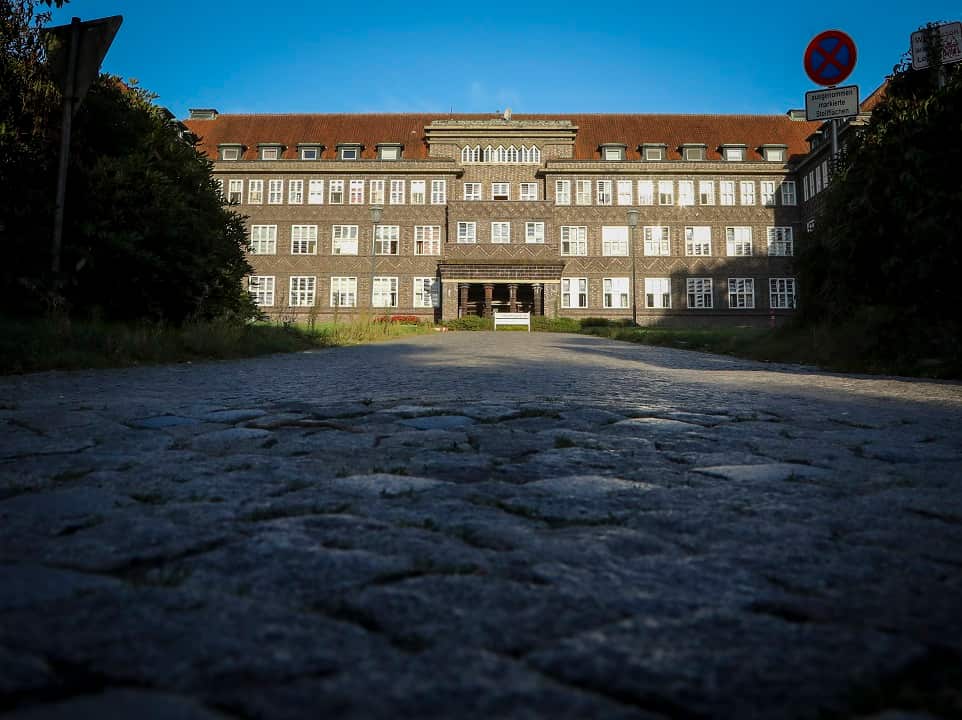
He is accused of randomly selecting patients - from age 34 to 96 - and then injecting them with medication that led to heart failure or other complications so he could try to resuscitate them.
The prosecutor claims he did this out of boredom or to impress his colleagues with his medical skills.
Hoegel was caught by another nurse in 2005. More than 130 bodies have since been exhumed for tests, including two in Turkey.
Police looked at 200 suspicious cases, but many patients who died at the two hospitals where Hoegel worked were cremated and could, therefore, offer no evidence.
Hoegel is already serving a life sentence for six other crimes.
The trial began on Tuesday with a minute's silence for the victims.
"All their relatives deserve that they are honoured," Judge Buehrmann said.
"We will strive to seek the truth with all our strength."
Here's what you need to know about the criminal case.
The accused
Born December 30, 1976, in the North Sea coastal town of Wilhelmshaven, Hoegel became a nurse, like his father, at the age of 19.
In 1999 he took a job at the main hospital in Oldenburg and transferred to a facility in neighbouring Delmenhorst in 2003.
Former colleagues described him as diligent and likeable but began to take notice of a "troubling" number of deaths in the intensive care unit on his watch.
Between 2000 and 2005, he allegedly administered medical overdoses to his victims, intentionally, so he could bring them back to life at the last moment.
He was rarely successful and in 2005 was caught in the act.
Psychiatrists who have evaluated Hoegel, the father of an adolescent daughter, say he has a severe narcissistic disorder.
They believe he was motivated by vanity, wanting to show off his skills and that he also acted out of "boredom".
Hoegel himself said he craved "the positive feedback" he got for saving a life and used painkillers to deal with "the stress" of the job.
The victims
Before taking the stand on Tuesday, Hoegel had only acknowledged around 30 murders, all of them committed in Delmenhorst.
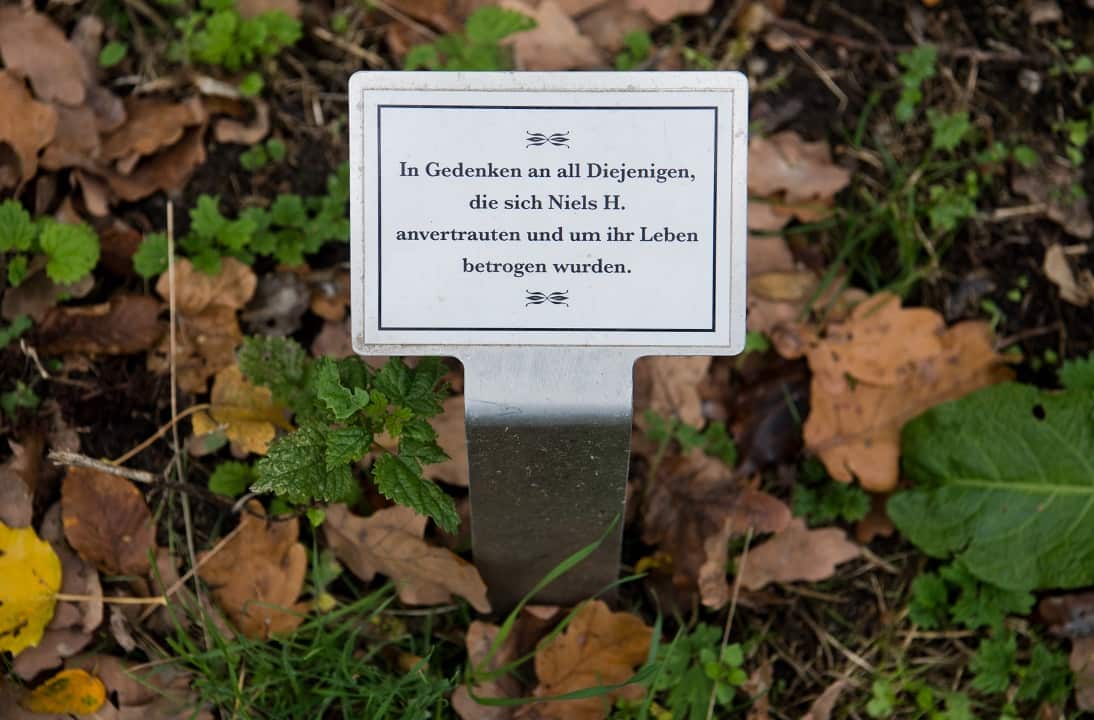
But he surprised the court on the first day of his trial by admitting to all 100 murders he is charged with, at the Delmenhorst and Oldenburg hospitals.
Hoegel said he had kept quiet "out of shame" and because it had taken him a long time to realise the full scope of what he had done.
Investigators believe the actual toll could top 200, though the true number may never be known because several presumed victims' bodies were cremated before they could be autopsied.
"I cannot imagine that he remembers each of the people (he killed)," said Petra Klein, who runs the crime victims' support group Weisser Ring in Oldenburg.
Hospitals' culpability?
The hospital in Oldenburg encouraged Hoegel to resign in late 2002, even offering him a glowing professional recommendation to ensure his departure.
Hoegel said his superior never explicitly said why they wanted him gone but that the request to leave made him feel as though he "had been caught".
Despite suspicion about the mounting deaths on Hoegel's watch, the hospital did not open an investigation.
"Without the mistakes of some people in Oldenburg... this series of murders by Niels Hoegel could have been stopped," said Christian Marbach, whose grandfather was one of the victims in Delmenhorst.
Colleagues and superiors at the two clinics will be asked to testify in the current trial.
Damning figures
A police file based on statistics provided by the Delmenhorst hospital shows that between 2003 and 2004 the death rate was twice as high as in previous years.
During the same period, the use of medication for cardiac ailments soared.
And in most cases when a patient died, Hoegel was on duty.
The figures paint a damning picture but prosecutors only took action in 2008, ordering the exhumation of eight bodies under pressure from relatives of alleged victims.