The recent death of 22-year-old Australian woman Amira Ali in the Syrian town of Aleppo has become a poignant symbol of just how globalized Syria’s protracted civil war has become.
As the conflict enters its third year, fighters from countries as far away as Australia, Indonesia and Kazakhstan have the joined the Syrian fray.
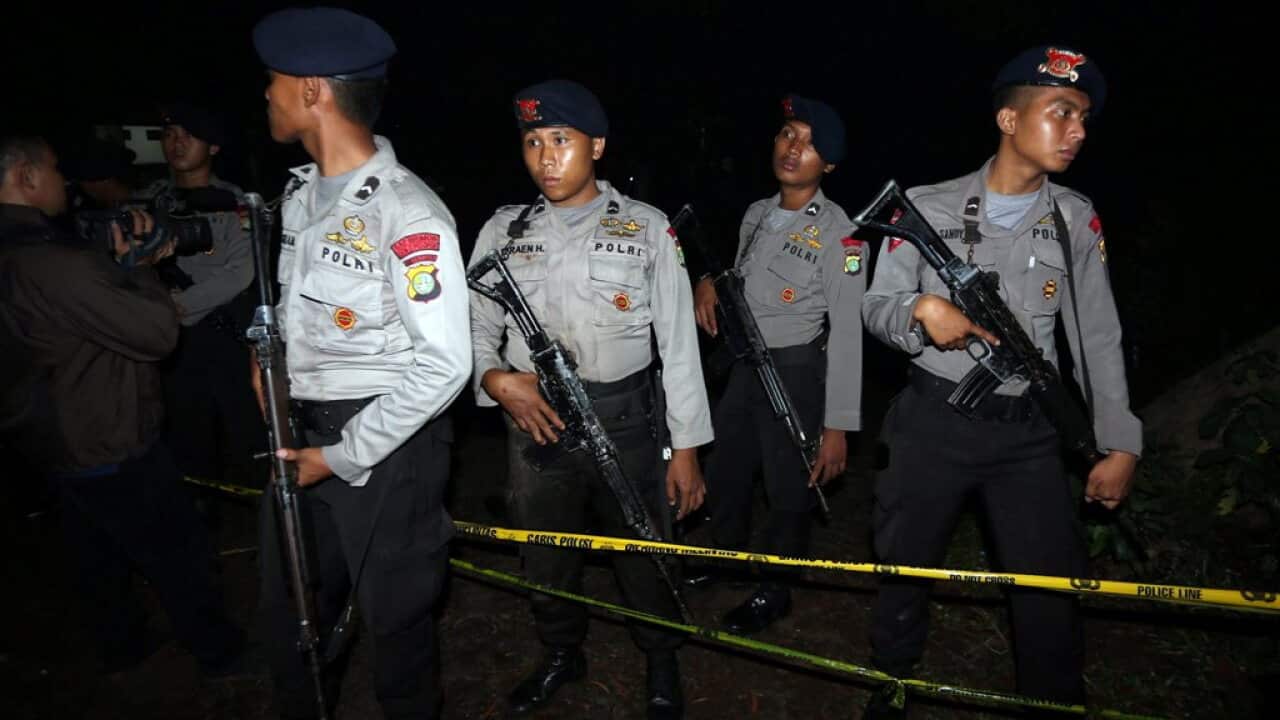
Reports here in Indonesia have also sparked concern about the repercussions of Indonesians traveling to Syria – would-be jihadists who view the war as a fast track to extremist legitimacy.
An Indonesian student killed in Syria last month as he was fighting alongside rebel forces has since been hailed as a martyr on radical websites.
Indonesia’s National Counterterrorism Agency is currently tracking fifty Indonesians believed to have travelled to Syria, but analysts say there could be twice as more.
News that makes sense
Your trusted source for staying up-to-date with the world around you. Get free daily news updates and analysis, straight to your inbox.
Jemaah Islamiyah, the hard-line group behind the 2002 Bali bombings, has proclaimed that it has sent nine so-called humanitarian missions to Syria so far.
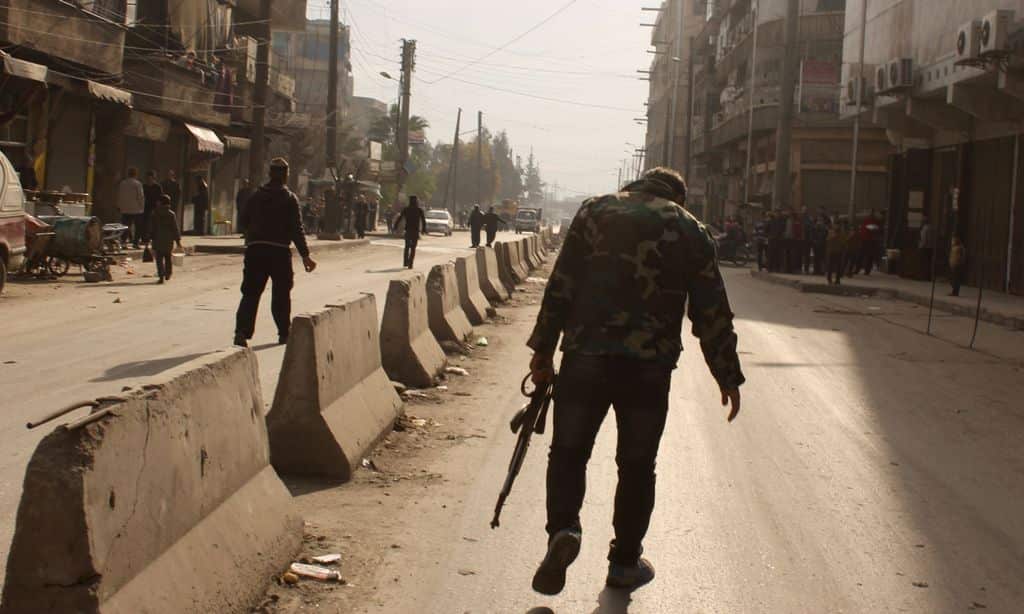
From late 2011 to December 10, 2013, some 11,000 fighters from 74 countries have travelled to the Middle Eastern conflict zone to bolster the hundreds of rebel units fighting against Syrian President Bashar al-Assad’s regime.
That figure has doubled since last April, with a marked increase in the number of non-Arab and Western fighters.
And while the majority of foreign fighters are from the Middle East and Europe, it is clear the Syrian conflict has global appeal.
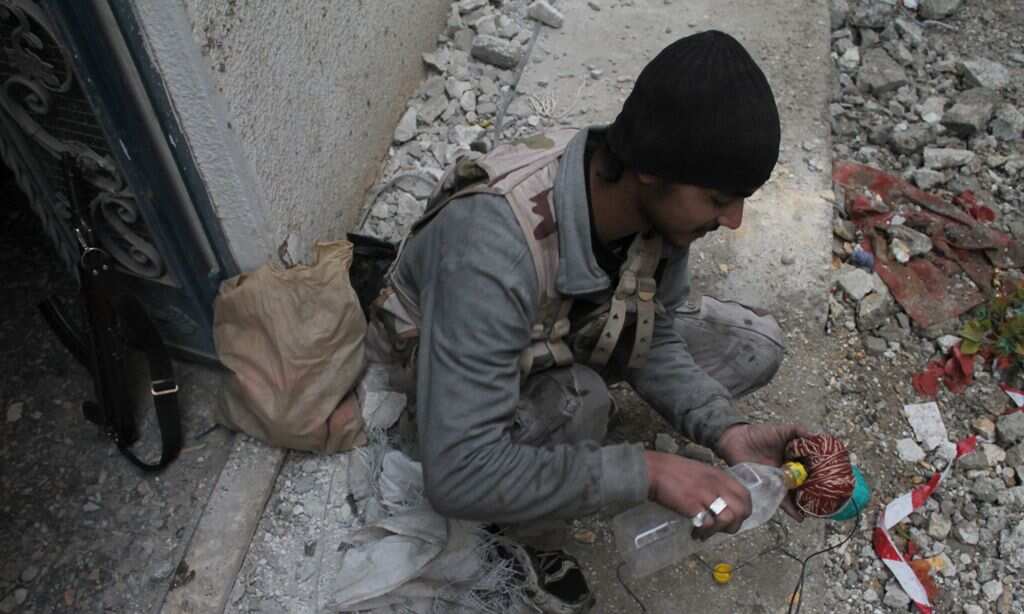
One of the reasons the conflict resonates so strongly with extremists here is that the majority of Indonesian Muslims identify as followers of Sunni Islam.
President al-Assad and the ruling minority in Syria are Alawites, a Shia Islamic sect.
“You can see on discussions on radical websites that the Syrian conflict is being portrayed in Sunni/Shia terms with Assad as the evil Shia massacring Sunni Muslims,” explains Sidney Jones, a terrorism expert from the Institute for the Policy Analysis of Conflict, or IPAC.
Sunni and Shia Muslims are sharply divided on historical lines in relation to whom they believe is the rightful successor of Prophet Muhammad.
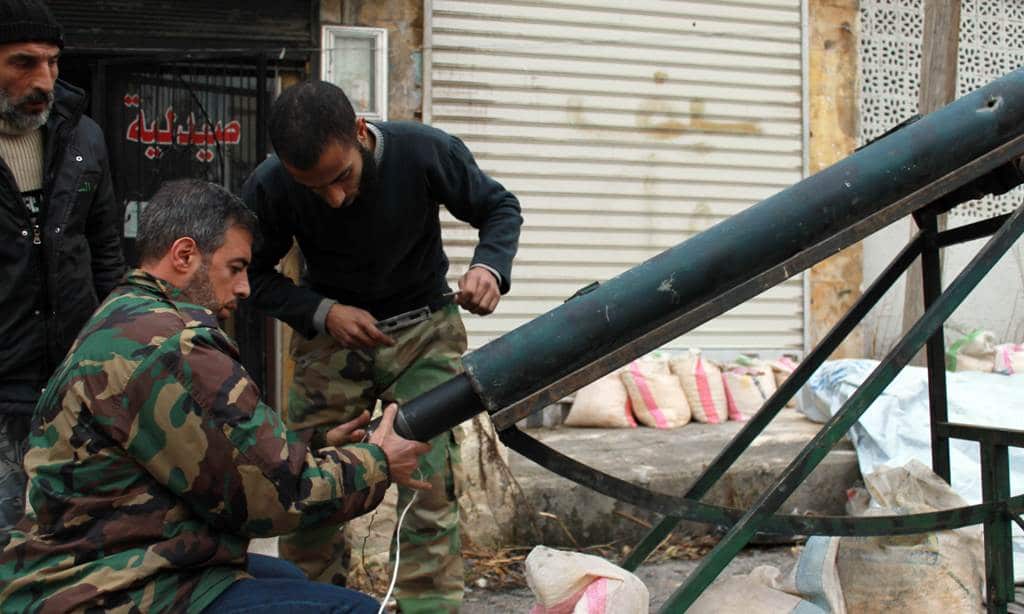
Indonesian terrorism analyst Noor Huda Ismail also says the historical and religious significance of Syria, known in classical Arabic as Sham, heightens the appeal.
“They [Indonesian extremists] look at Sham as the holy of holiest place for jihad where now they see the battle between good and evil, the battle between the Sunni and the Shia,” says Ismail.
The number of foreign fighters traveling to Syria has also become a major concern for Western governments that fear a strengthening of groups such as Al-Qaeda.
Of the hundreds of rebel units currently operating in Syria, the Islamic State of Iraq and Levant, or ISIS, are directly affiliated with Al-Qaeda, while other rebel groups want to see Syria become an Islamic caliphate.
Analyst Huda Ismail says that Indonesian fighters in Syria are likely to be increasingly radicalized when they return home.
“For those who fought in Syria, they will experience real battle, listen to the bombs, and watch people die. When they come back in Indonesia their anger toward the government will be deeper,” he says.
By engaging in real battle, Indonesians that fought in Syria assume instant extremist credibility among local hardliners and pose a significant threat.
“Every Indonesian who ends up in Syria needs to be watched,” Ansyaad Mboi, head of Indonesia’s counterterrorism agency told the Associated Press, “We have to anticipate the fact that when they return they will have new abilities and skills in warfare.”
Indonesian veteran jihadists, such as those that fought in Afghanistan, have been behind the deadliest terrorist attacks here, including the Bali bombings that killed 202 people.
“If we look back at our experience with Indonesian fighters in Afghanistan you can see that the returned jihadists from Afghanistan have a certain standing here in Indonesia,” explains Huda Ismail.
Since the deadly Bali bombings more than a decade ago, Indonesian authorities have successfully crippled major terrorist networks, but splinter extremist groups remain a threat.
Over recent years splinter jihadists have plotted attacks against the police, the Myanmar embassy and increasingly, Indonesia’s minority Shia Muslim population.
While the Syrian conflict is not the root cause of the persecution of Shia Muslims in Indonesia, the conflict does have the potential to inflame local tensions, say analysts.
“There is no question the Syrian conflict is being filtered through a lens by radical groups so that we are seeing anti-Shia plots already among Indonesian would-be terrorists in this country,” says Sidney Jones, pointing to recent trials that have brought to light planned attacks and assassinations of Shia leaders and institutions.
The attacks against Indonesia’s Shia community erupted about two and half years ago, but share some informal institutional and government backing.
The country’s highest Islamic authority, the Indonesia Council of Ulema, has published anti-Shia material, while Indonesia’s Religious Affairs Minister Suryadharma Ali controversially suggested that Indonesia’s ‘enlightened’ Shia had converted to Sunni Islam.
In the absence of a peaceful solution in Syria, analysts say foreign fighters recruitment is expected to continue.
The current mobilization of foreign fighters in Syria is the most significant since the Afghanistan war in the 1980s.







