
in brief
- Critics warn changes could shut out visa holders fleeing conflict in the Middle East.
- The government says the legislation won't impact humanitarian visas.
A move to toughen Australia's immigration laws while offering Iranian soccer football players asylum has been labelled "hypocritical" by the Greens and refugee advocates.
The granting of humanitarian visas on Tuesday, initially for five women, following fears they could face retribution in Iran for refusing to sing the national anthem during the Asian Cup, drew support from across the political spectrum.
Hours later, the government introduced changes to the Migration Act that would allow the home affairs minister to block people who have already been granted temporary visas from arriving in Australia.
During a last-minute, 1.5-hour committee hearing about the amendments on Tuesday evening, Home Affairs officials revealed the ban would last six to 12 months and could affect roughly 61,000 temporary visa holders in the Middle East.
It would allow the government, following written agreement from the prime minister and foreign affairs minister, to restrict the whole visa class temporarily, instead of individually re-assessing and cancelling visas. It does not impact those already in Australia
News that makes sense
Your trusted source for staying up-to-date with the world around you. Get free daily news updates and analysis, straight to your inbox.
Greens immigration spokesperson David Shoebridge said the "hypocrisy" of the changes were "hard to stomach", as it would prevent Iranians seeking refuge as the US-Israel-Iran conflict continues.
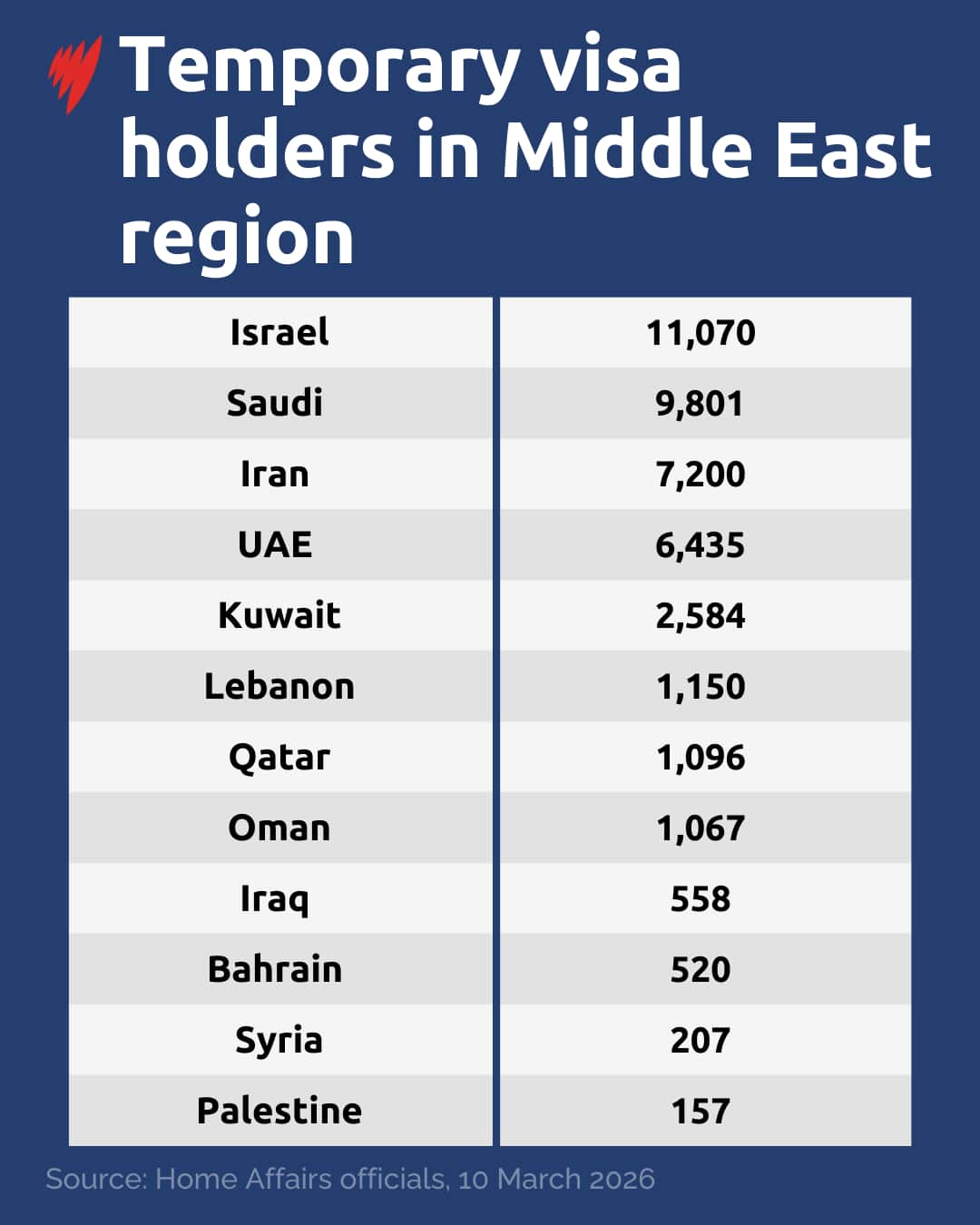
"On the same day that Labor gave that one chance to a handful of brave Iranian women footballers, they shut the door to 7,200 other Iranians who had already been granted visas, who had the security clearances," he told reporters in Canberra.
Among the temporary visa holders are people from countries facing a barrage of missiles as a result of the war in the region, including 11,070 from Israel, 7,200 from Iran and 1,150 from Lebanon.
While the government maintains it's not targeting particular countries, Home Affairs Minister Tony Burke specified Iranian circumstances have changed.
"It is unusual to have an event of this scale where the number of visitor visas would be so significant," Burke told reporters on Wednesday.
"If you get a visa at a time that your country was not a war zone, and then it becomes a war zone, there are visas out there that in the current context, we would not have issued."
The laws are expected to pass the Senate with the support of the Coalition later in the week.
Opposition home affairs spokesperson Jonno Duniam said the legislation would "put integrity" back into the system, fearing people who leave the region under temporary visas may want to stay permanently.
"There is a high risk, if you come here on a tourist visa and war breaks out in your country, are you going to go back? You're not. And you're going to seek asylum here and so the system would be overwhelmed," he told 2SM on Wednesday.
Changes would have prevented football team asylum, refugee advocates say
Refugee Council of Australia CEO Paul Power said if the changes had been put into effect before the Asian Cup, the Iranian football team, which had temporary visas, could have been banned from entering.
Power said the bar to getting a temporary visa to Australia is high, with applicants providing information including where they've lived, their bank accounts, employment or other items, to determine they're not a security threat.
"For people to actually get a visa to come to Australia from many countries in the world, many countries in Asia, in Africa, in Latin America and the Pacific, they already need to go through a very extensive vetting process," he told SBS News.
He said the government's rushed response to fears that people may remain in Australia after already having cleared those hurdles was "really appalling".
The government says the legislation won't impact humanitarian visas.
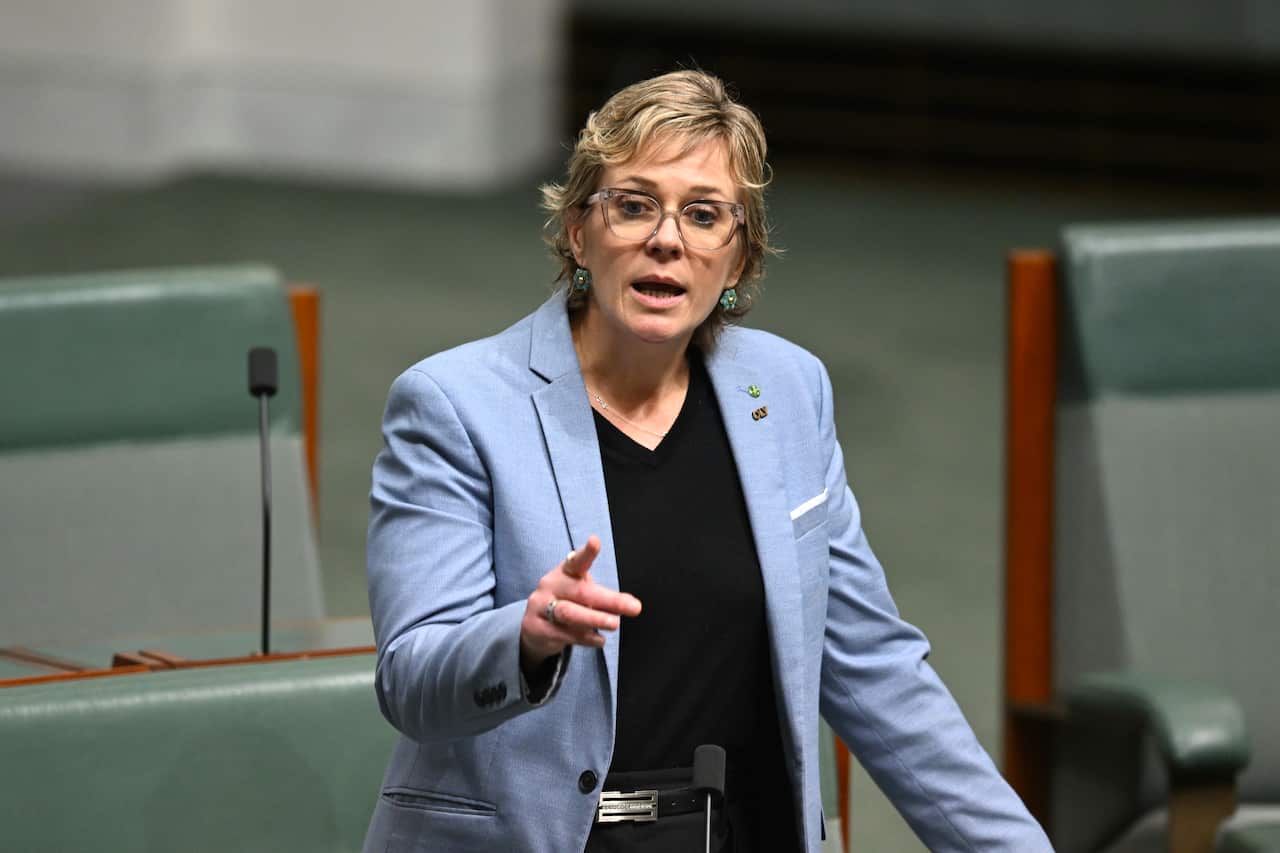
However, Independent MP Zali Steggall said the government is concealing the "true effect" of the changes, with the bill specifically preventing "practical pathways vulnerable people have to reach safety".
"In reality, many people who later seek humanitarian protection in Australia first arrive on temporary visas. That is simply how the system works," she said.
"People fleeing conflict or sudden instability often can’t access humanitarian pathways from overseas and instead travel on whatever lawful visa they can obtain."
For the latest from SBS News, download our app and subscribe to our newsletter.







