IN brief
- The proposed reforms had faced wide opposition from the Opposition, Greens and independents.
- The government had argued the reforms would have made it easier to reject vexatious and frivolous requests.
Broad opposition to controversial freedom of information (FOI) law reforms that would have made accessing documents harder has forced Labor to back down.
The reforms faced backlash from the Opposition, Greens, independents, and transparency and integrity organisations, as they proposed banning anonymous requests, introducing new charges, and making it easier to reject some requests.
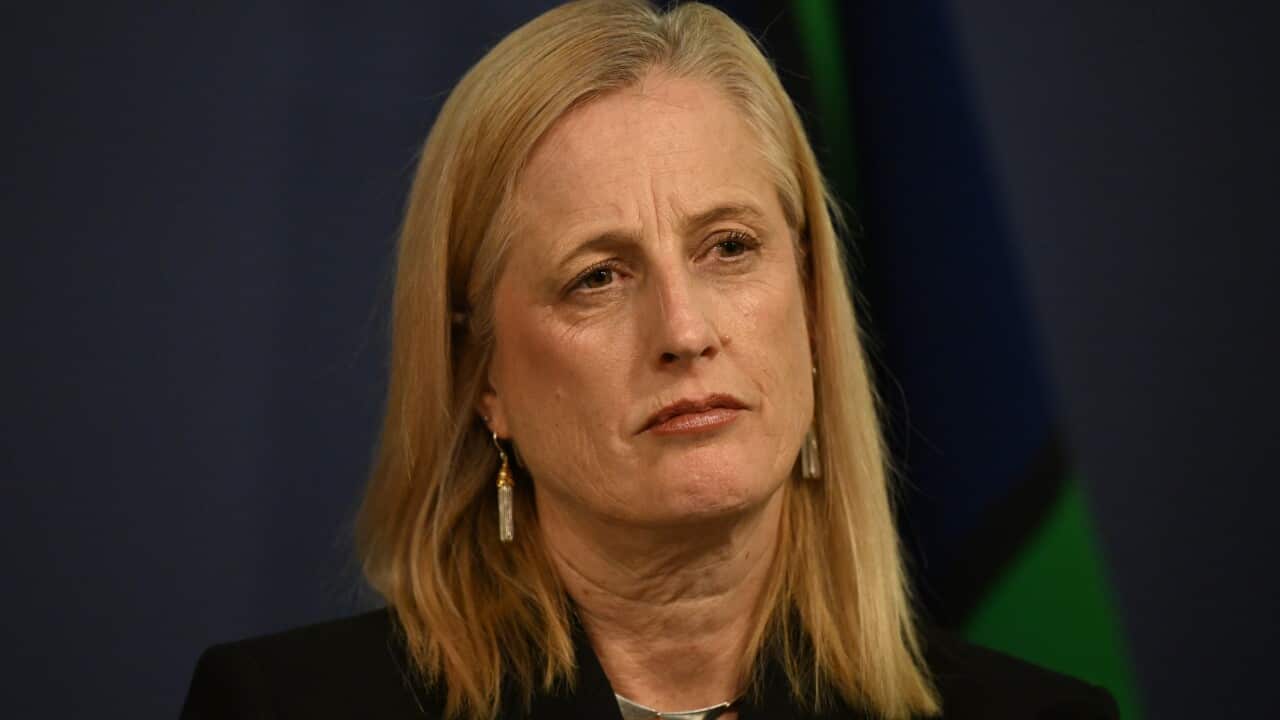
Finance Minister Katy Gallagher officially dumped the bill in the Senate on Thursday, saying the government didn't have enough support to pass it in its current form. The government needs support from either the Greens or the Coalition to pass legislation in the upper house.
"We have an open mind and we'll continue to engage on the final form of the important reforms that we will bring back to the parliament to get on with fixing the FOI system," she told the chamber.
Human Rights Law Centre associate legal director Kieran Pender welcomed the bill's death knell, saying the changes would have undermined the public's right to access information and weakened the system.
News that makes sense
Your trusted source for staying up-to-date with the world around you. Get free daily news updates and analysis, straight to your inbox.
"And, in turn, weakened our democracy," Pender said, calling on the government to now adopt an independent and comprehensive review of the laws.
Centre for Public Integrity executive director Catherine Williams backed that call for a comprehensive review, saying the system was in crisis due to extensive delays and increased secrecy, with it becoming harder for people to access information.
Opposition legal affairs spokesperson Michaelia Cash described it as a "win for democracy", and accused the government of being addicted to secrecy.

"The Coalition will never support the Albanese government silencing Australians," Cash said.
Why did Labor want the laws changed?
Labor argued the laws needed to be updated as they hadn't been reformed in decades, pointing to large and complex requests backing up the system and costing the government hundreds of millions of dollars.
The reforms would make it easier to reject vexatious and frivolous requests, the government said when revealing the proposed changes, arguing AI bots and potential criminal and foreign actors abusing the system were threatening its viability.
However, during a parliamentary inquiry into the matter, departments couldn't produce evidence of AI bots or criminal or foreign actors using the system for nefarious purposes.
Greens senator David Shoebridge criticised the government's lack of evidence to back up its accusations.
"The threat to the public's right to know isn't from Russian bots, it's from the Labor cabinet."
For the latest from SBS News, download our app and subscribe to our newsletter.







