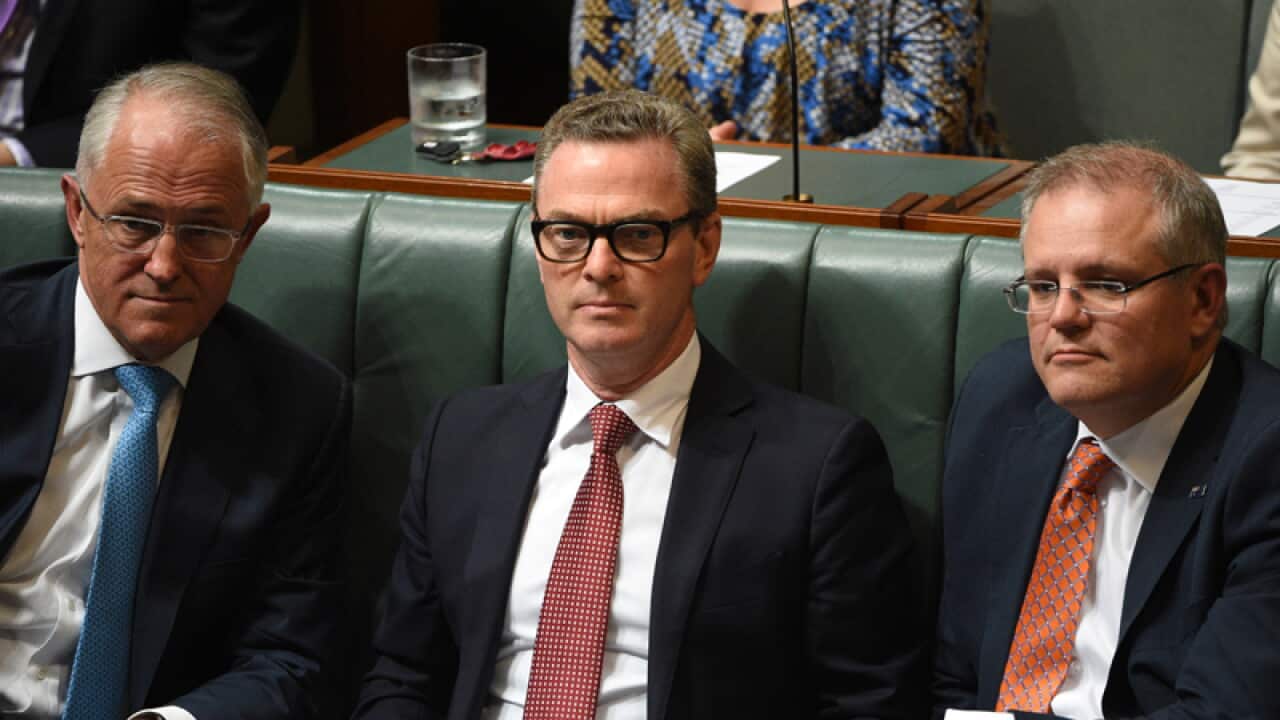
The Turnbull government has agreed to amend its planned changes to the way Australians vote for the Senate by allowing voters to allocate at least 12 below-the-line preferences.
The change was recommended by a parliamentary committee that considered legislation the government wants passed by mid-March.
The committee said partial preferential voting below the line would make it easier for voters, who in some states were required to number more than 100 boxes.
Micro parties fear the changes could spell their end because they reduce the impact of preference deals.
"These are important reforms in the public interest that will ensure election results reflect the will of voters," Prime Minister Malcolm Turnbull said in a statement on Wednesday, as he announced the government would accept the committee's recommendation.
News that makes sense
Your trusted source for staying up-to-date with the world around you. Get free daily news updates and analysis, straight to your inbox.
Committee chairman David Coleman said partial preferential voting below the line would make sure the process was "not the arduous task it is" now.
"It does seem anomalous that the bill proposes partial optional preferential voting above the line and full preferential voting below the line," he told parliament.
The same committee in 2014 unanimously agreed changes were needed to the system.
In a report presented 24 hours after the inquiry's only public hearing, the committee found partial preferencing below-the-line would encourage voters to participate.
Any ballot paper with at least six boxes ticked would be regarded as formal, saving thousands from being rejected.
"Crucially, voters would be able to choose the same candidates in the same sequence both above and below the line," the report said.
Labor, in a dissenting report, dismissed parliamentary scrutiny of the bill as a "farce", saying the legislation had been "rammed through" the lower house before the committee had reported.
Labor have labelled the changes "a dirty deal" between the coalition and the Australian Greens.
"This entire process is contemptuous of the parliament and exposes ... the Greens' purported commitment to parliamentary democracy as nothing more than a fraud," it wrote.
Most concerning was the minor party's "naive decision to hand the Liberal Party the keys" to a double-dissolution election.
"It is difficult to identify any logic to this thinking."
Motoring Enthusiast Party senator Ricky Muir, who was elected to parliament with just 0.5 per cent of the primary vote and has been used by critics as an argument for change, says legislation to "wipe out diversity" in the Senate was of great concern.
"I do believe that I have attempted to not only keep the government honest, but also the opposition," he said.
Senator Muir makes 14 recommendations including allowing independent candidates to be also listed above the line on the ballot paper.
Greens leader Richard Di Natale said the government had given the minor party a commitment the changes would apply from July 1.
That means the new rules would apply to a double-dissolution election held after that date.
The Senate on Wednesday called on cabinet minister Mathias Cormann to release by Thursday all documents relating to his communications with the Australian Electoral Commission regarding the proposed Senate voting changes.







