A brain health test could become part of a doctor's check-up routine, as Australian research has found a simple way to detect the early signs of cognitive decline.
Scientists at the Australian National University (ANU) used a computer-based test which could accurately predict who, during middle-age, already had warning signs for dementia.
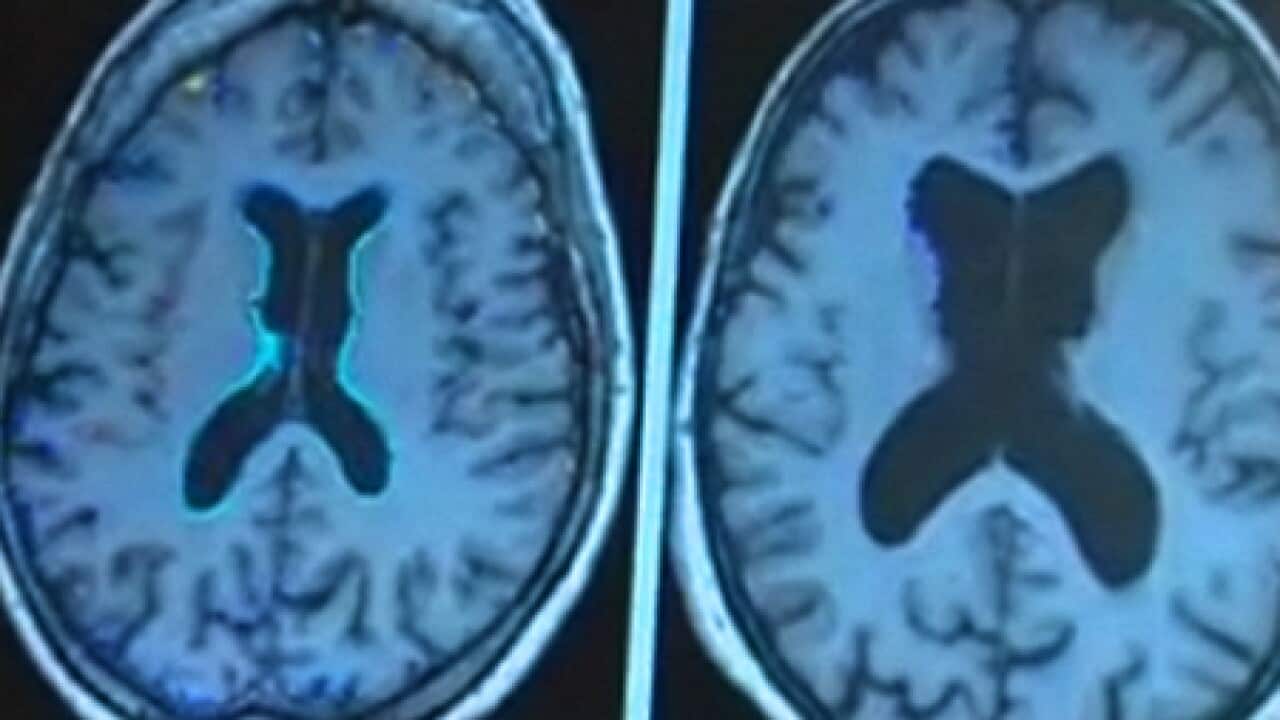
The test assessed a person's reaction time while also looking for erratic answering patterns, and it raised a red flag those who an MRI scan later found to have dementia-related brain lesions.
Professor David Bunce from the ANU's Centre for Mental Health Research, and London's Brunel University, said these lesions were usually seen in older dementia patients and they were an early warning sign when identified in younger adults.
"Although we cannot be certain that these middle-aged people will go on to get dementia, the results are important for several reasons," Prof Bunce said on Wednesday.
News that makes sense
Your trusted source for staying up-to-date with the world around you. Get free daily news updates and analysis, straight to your inbox.
"First, the study is one of the first to show that lesions in areas of the brain that deteriorate in dementia are present in some adults aged in their 40s.
"Second, although the presence of the lesions was confirmed through MRI scans, we were able to predict those persons who had them through very simple-to-administer tests."
The research took in almost 430 men and women, aged 44 to 48 and many based in the Canberra area, and less than 10 per cent were found to have the lesions.
Prof Bunce said it was "early days" and the work would need to be replicated but the research suggested a simple way to highlight those at higher lifetime risk of developing dementia.
It was very low cost and could be performed during a standard doctor's check-up.
"It could be something a GP could have in their surgery and it would take 30 seconds to a minute to do, like a blood pressure test," Prof Bunce said.
"And certainly, the earlier we can intervene with people vulnerable to eventual dementia, the greater the chances of preventing or delaying the disease onset."
The research is published in the journal PLoS ONE (Public Library of Science-ONE).







