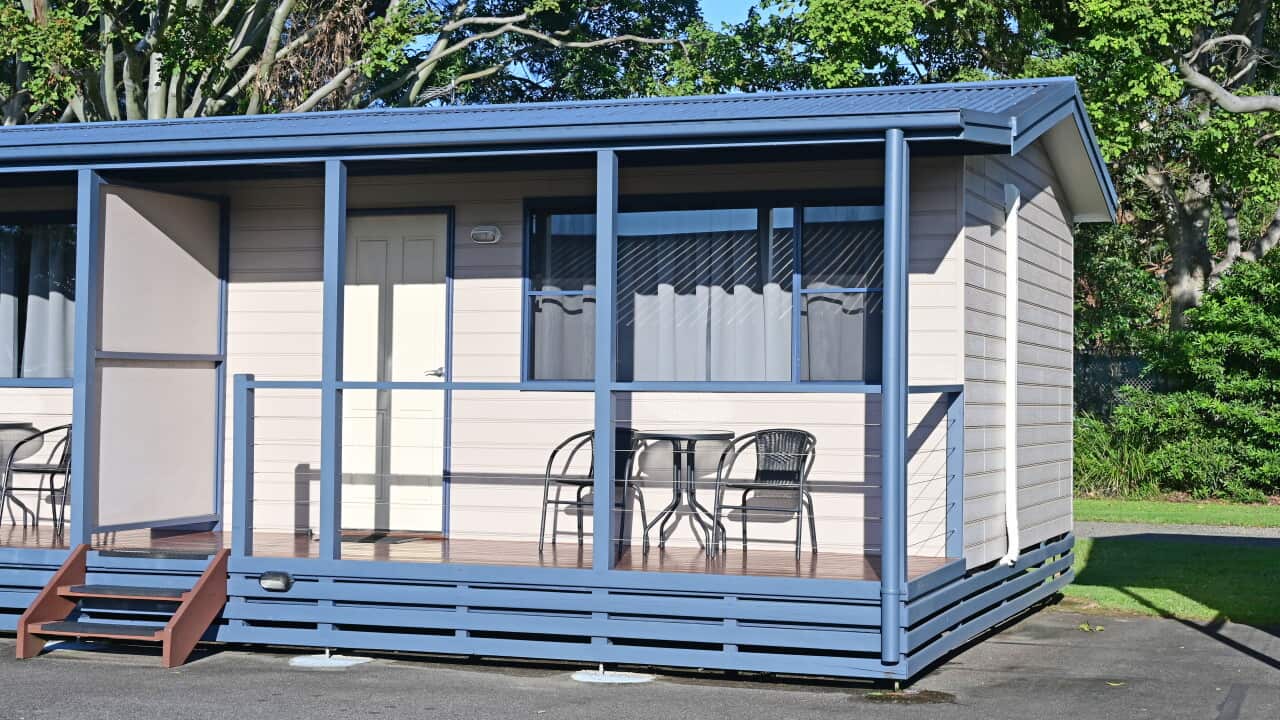
The question of how granny flats will be affected by the government's incoming tax changes, and whether they can provide a loophole around negative gearing reform, has been answered.
During Senate estimates, Liberal senator Andrew Bragg asked whether an owner can negatively gear a newly constructed granny flat, given the proposed tax reforms that are set to take effect from 1 July 2027.
"This is the thing I really want to work out ... Is a granny flat in or out?" Bragg asked.
In the most recent federal budget, the government announced it planned to limit negative gearing, which allows investors to offset rental investment income against losses or costs, to newly built residential properties.
This change, if passed, will apply to properties bought after 7.30pm AEST on 12 May 2026.
News that makes sense
Your trusted source for staying up-to-date with the world around you. Get free daily news updates and analysis, straight to your inbox.
In response to Bragg's question, Treasury secretary Jenny Wilkinson read from a budget tax explainer.
"A granny flat adjacent to an established property that is not eligible for negative gearing is not an eligible new build," she said.
"The regulation that will determine what is the definition of a new build will outline all of these details."
This response caused some confusion during the estimates, with Nationals MP Anne Webster asking a similar question.
This time, Housing Minister Clare O'Neil gave the final answer to the question: Granny flats cannot be negatively geared.
"An established property recently extended a free-standing house constructed through a knock-down rebuild, replacing an older, smaller free-standing house, a granny flat built adjacent to an established property, that isn't eligible for negative gearing," she said.
Granny flats have become increasingly popular in Australia in recent years, with some arguing that they could help ease the country's housing crisis.
For the latest from SBS News, download our app and subscribe to our newsletter.







