Every Wednesday, Avis Ward helps fill the bags of those in need.
There's bread, eggs, biscuits, milk and juice, and plenty of fruit and vegetables they can help themselves to.
The groceries, provided for free, are a lifeline for hundreds in the Collins Memorial Atlanta food pantry community in that city's west.
But Avis too, relies on the produce.
"I wouldn't be here without it," she says. "We can't afford it. We've got lots of bills, lots of bills. I take ten bottles of medicine a day."
Avis was diagnosed with Leukaemia five years ago and had to stop working.
She's now in remission, but her medication is expensive.
On top of her health concerns, she and her husband Jerome Dixon, care for two sick relatives and her grandson.
"Every day I have to work hard and study, and keep working hard at other places so she don't have to come and get food no more."
And Jerome has just been diagnosed with diabetes.
He works as a handyman when he can, but often has to turn down shifts to be by his family's side.
"When my wife got diagnosed with Leukaemia, I couldn't get out to work as much, because most times she was just going back and forth to the hospital,” he says.
"One guy has been giving me work... but I got to keep it to a minimum, because when I get a call that's saying something's wrong with my wife, or my uncle, then I have to drop what I'm doing."
According to Feeding America, every year, one in seven American's rely on their network of food pantries and programs.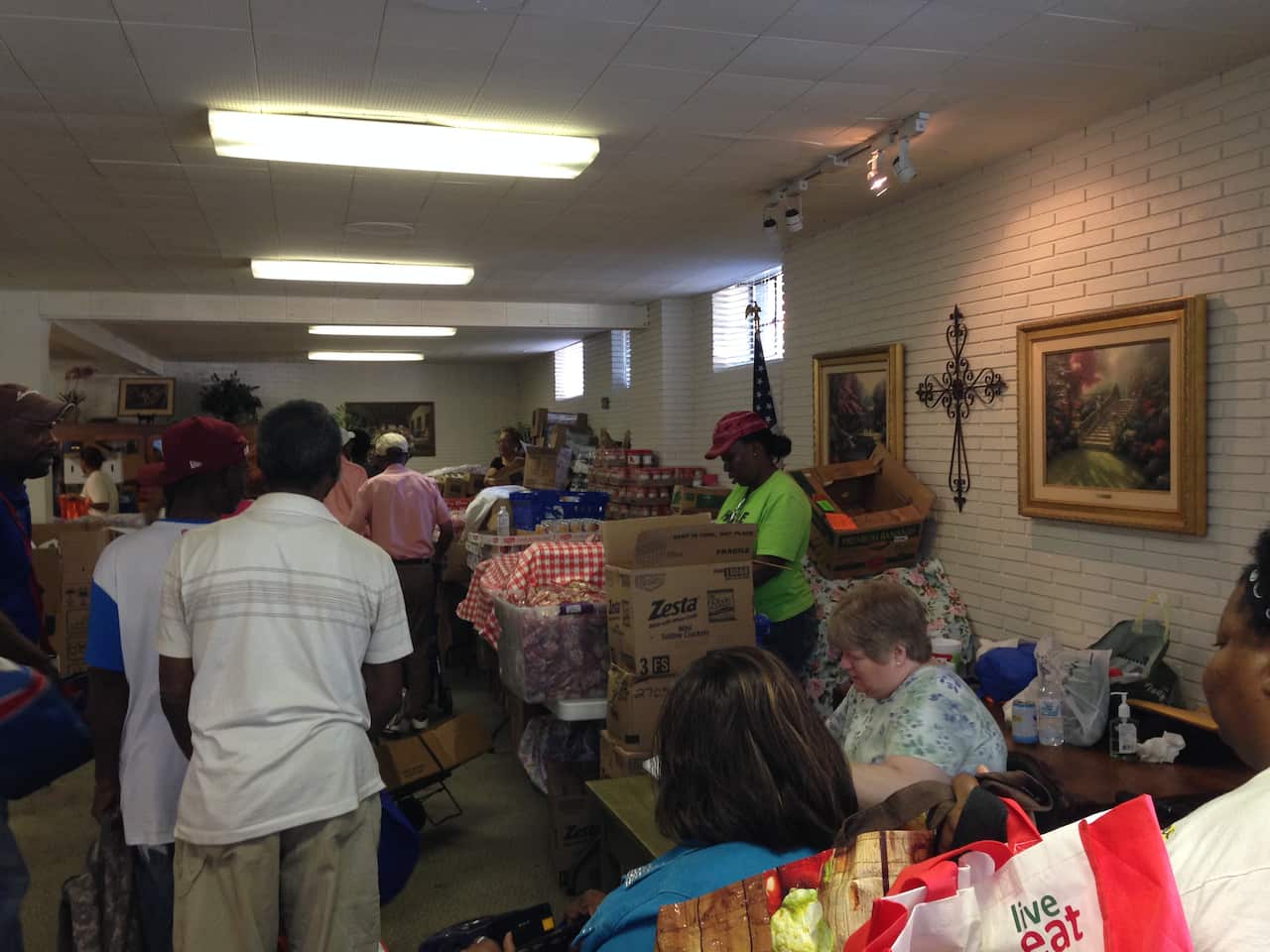 That's 46.5 million people, which includes 12 million children and 7 million seniors.
And they come from all walks of life.
Maria Diego is a mother of six; her youngest child is one and her oldest, 21.
Her hands are full caring for her children, which means she has little time to search for work.
"I came because I am in need," she says. "I have no employment and I need help,"
Her daughter Anna works full time to help her family too.
"Every day I have to work hard and study, and keep working hard at other places so she don't have to come and get food no more."
The food pantry has been run by Cindy Corona for the past five years.
She says the need for food in her community is increasing.
"When we opened the doors five years ago we had 14 families come, and now we're up to, over 600 every week."
"We have anywhere from young mother coming, we have a lot of seniors, and have found out from doing this food pantry, that a lot of these seniors had raised their families and now their grandchildren."
Cindy collects the food from the Atlanta Community Food Bank, which relies heavily on donations to feed people throughout North Georgia.
Food Bank Vice President Richard LeBer says a recent study by the Food Bank showed the impact of the last recession was still being felt, and many people remain underemployed.
"What we're seeing is that this is a very uneven recovery," he says. "They used to have two incomes and now they have one."
"The study says that 73 per cent of the families that we surveyed are having to make a trade off on a regular basis, between feeding people and paying medical bills. 80 per cent of them are having to make a trade off between feeding the members of their family and transportation for work or school."
They aim to provide healthy options to families.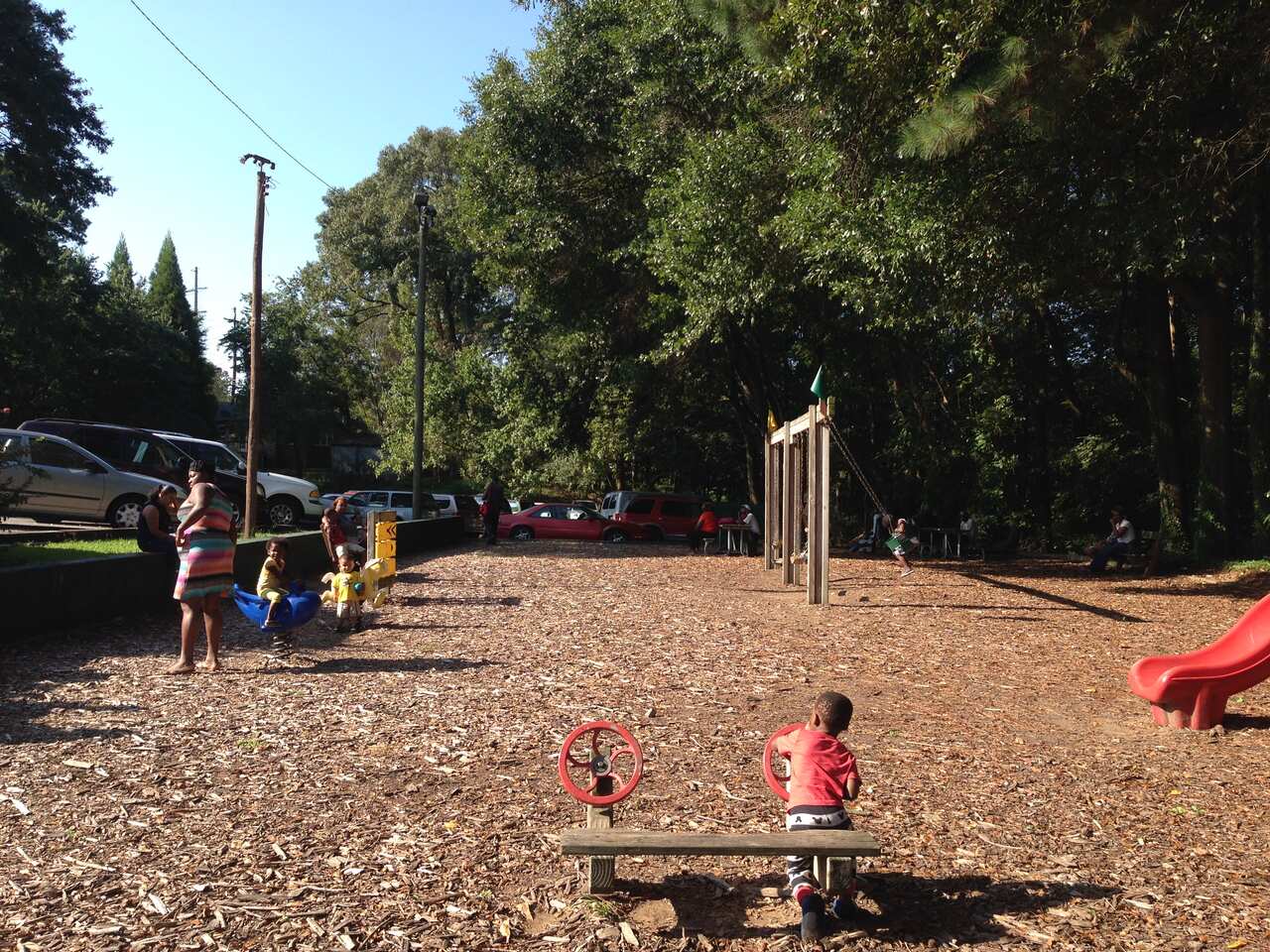
Share


