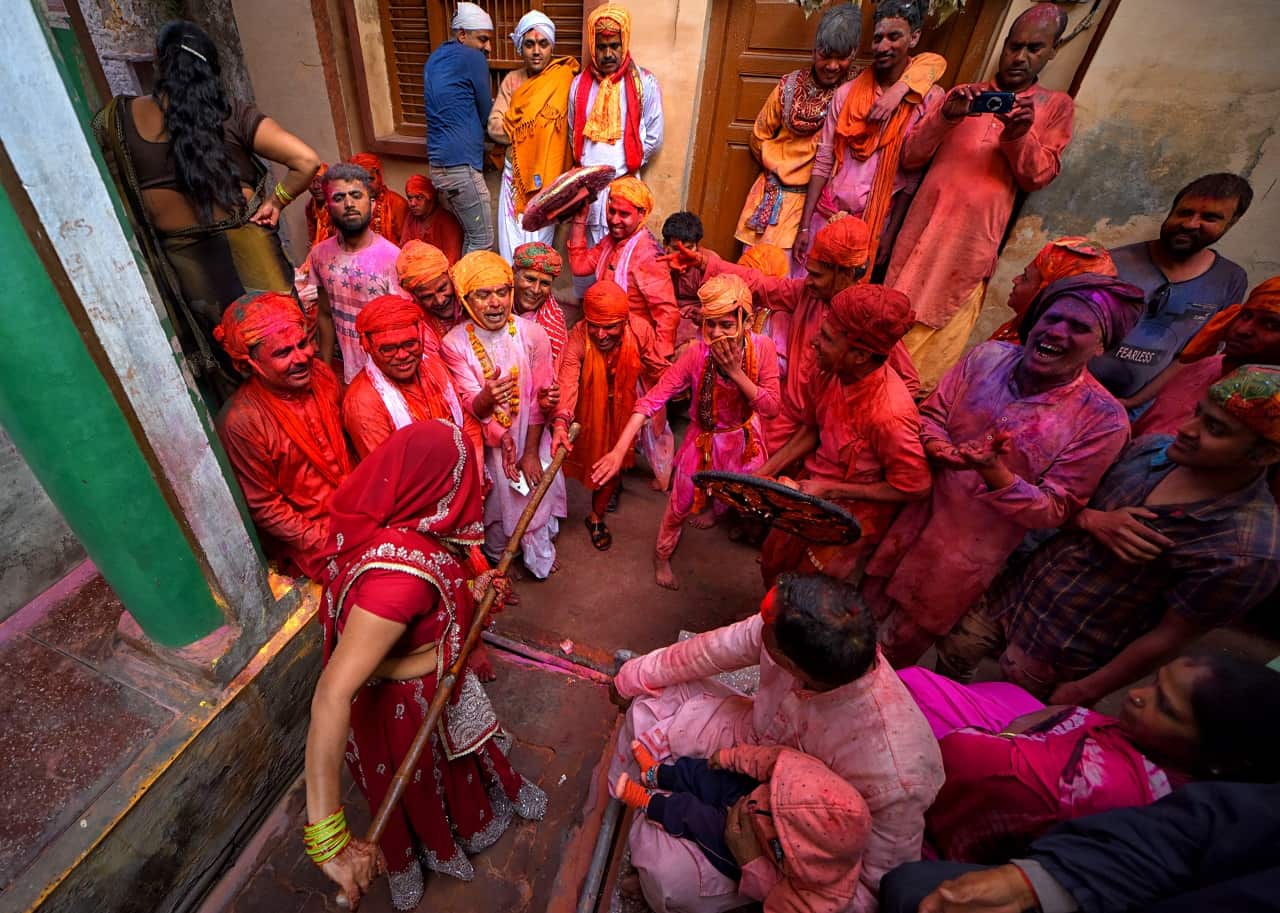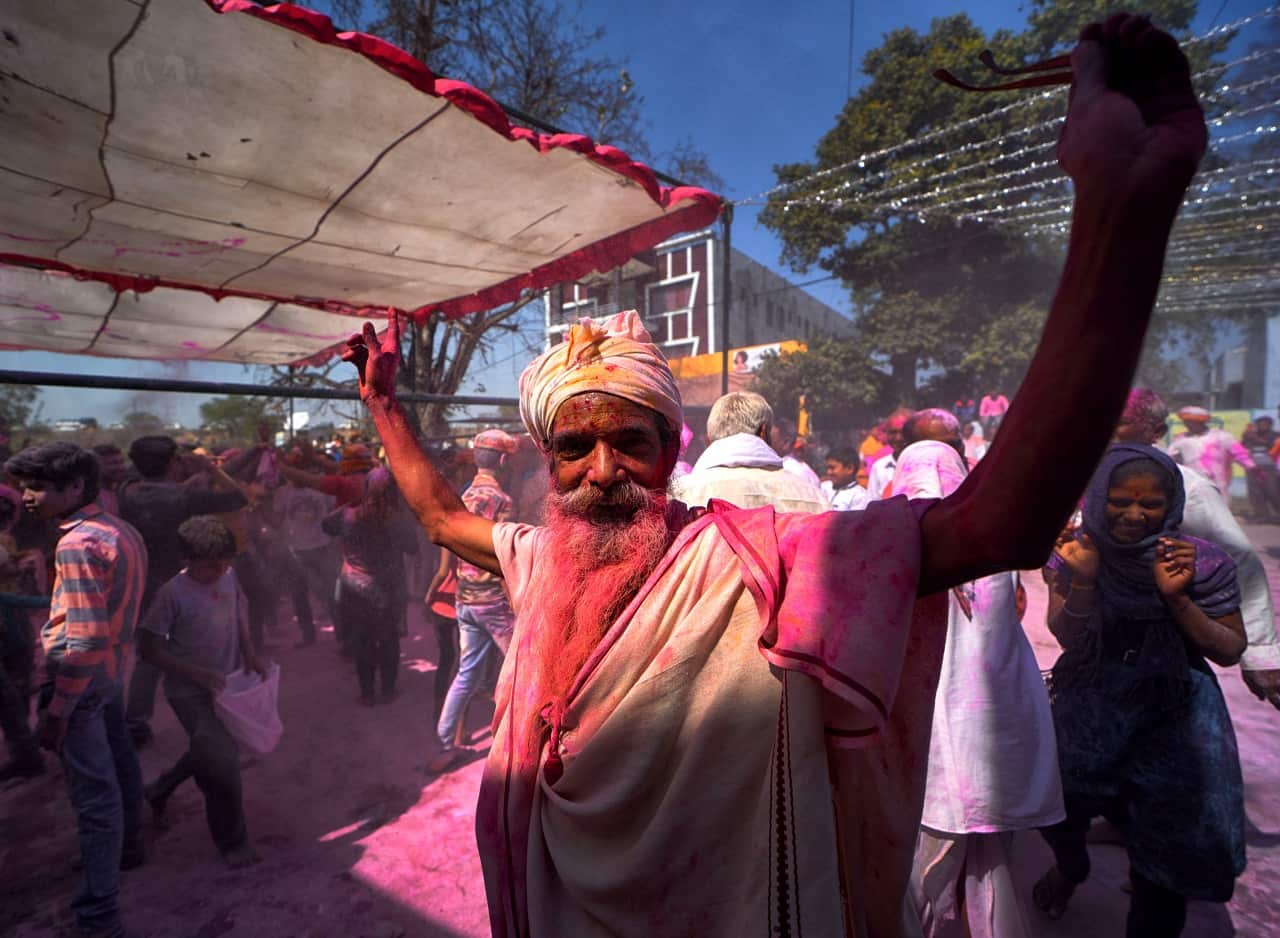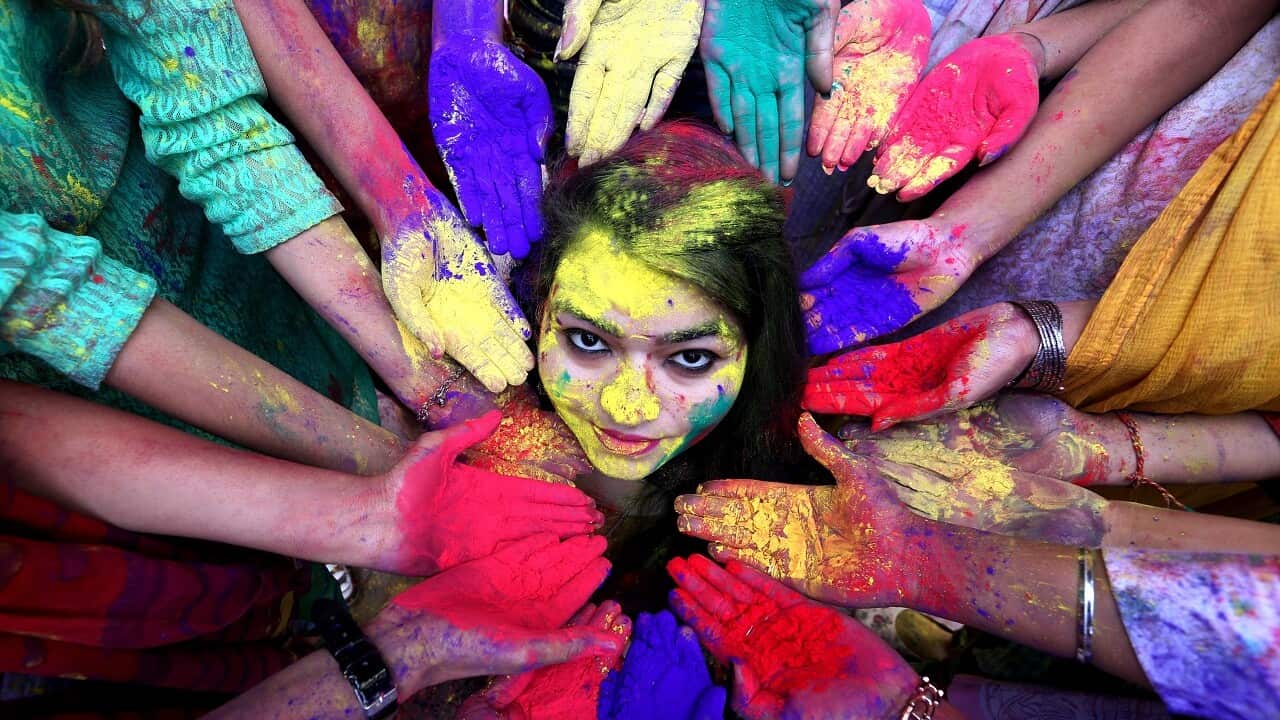
People have taken to the streets, dousing each other with vibrant colours as part of this year’s Holi Festival.
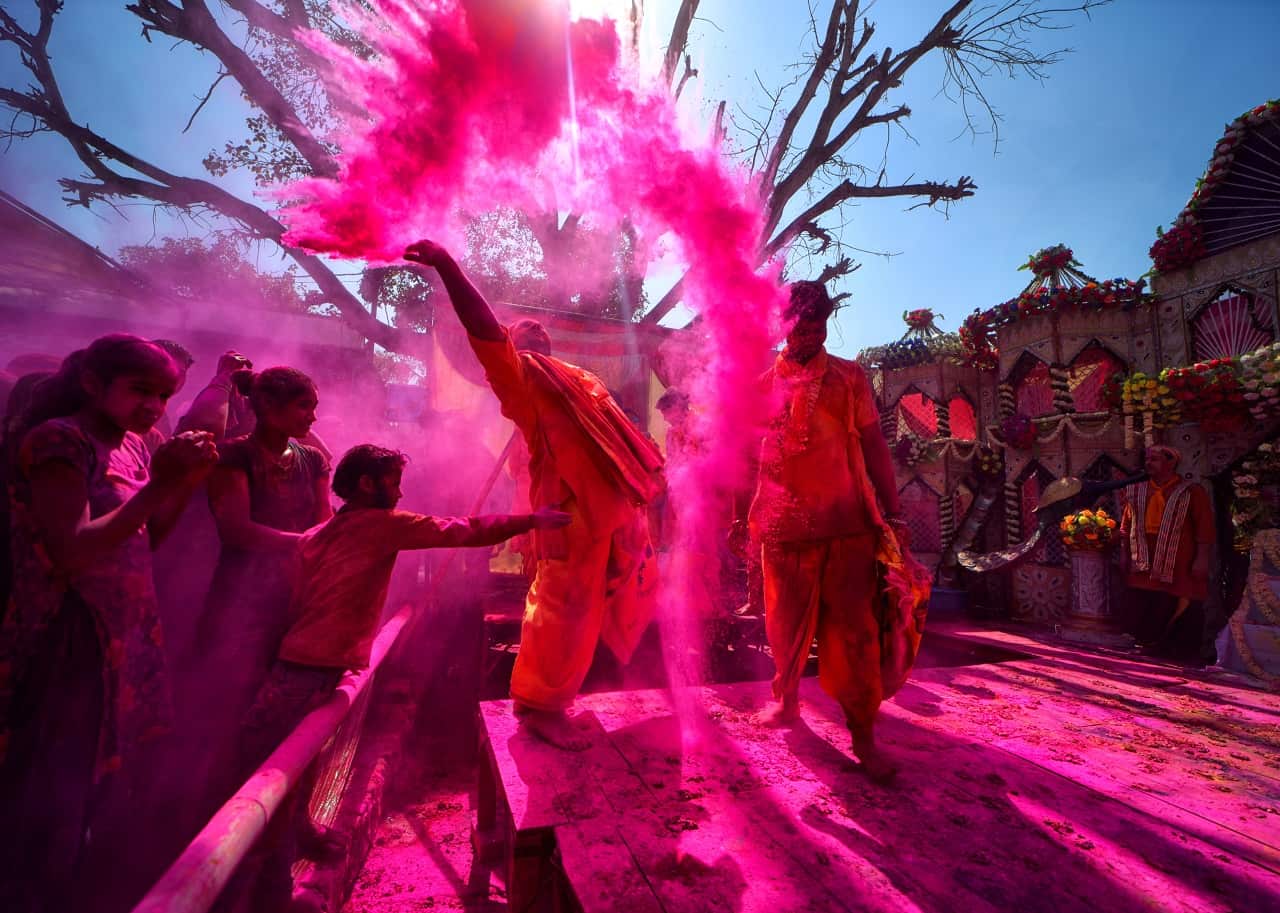
Also known as the Festival of Colours, Holi is a Hindu tradition that celebrates the beginning of Spring, new beginnings and forgiveness.
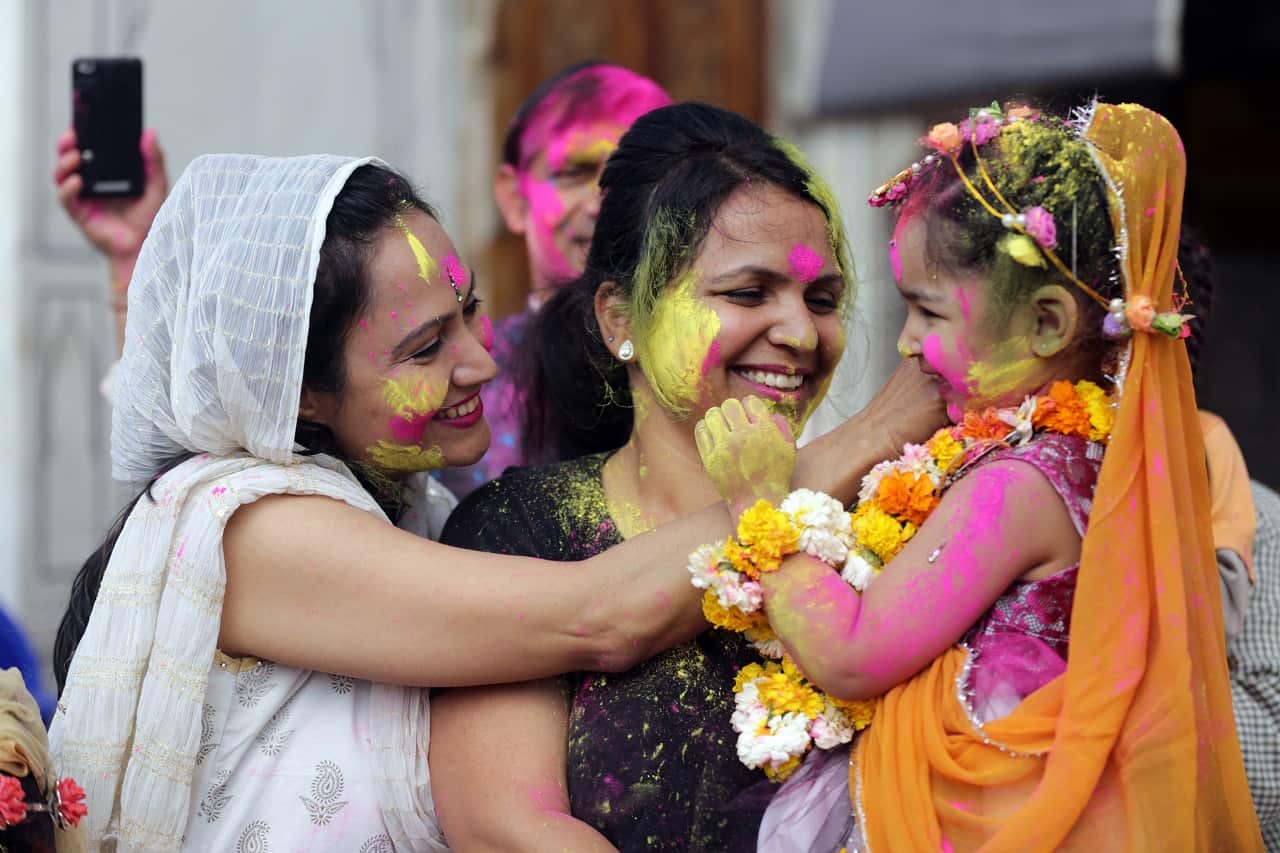
The festival falls on the last full moon of the lunar month. It begins on the evening of Purnima, the Full Moon Day in the Hindu calendar month of Falgun and falls sometime between February and March each year. This year, Holi is celebrated on Wednesday 20 and Thursday 21 of March.
News that makes sense
Your trusted source for staying up-to-date with the world around you. Get free daily news updates and analysis, straight to your inbox.
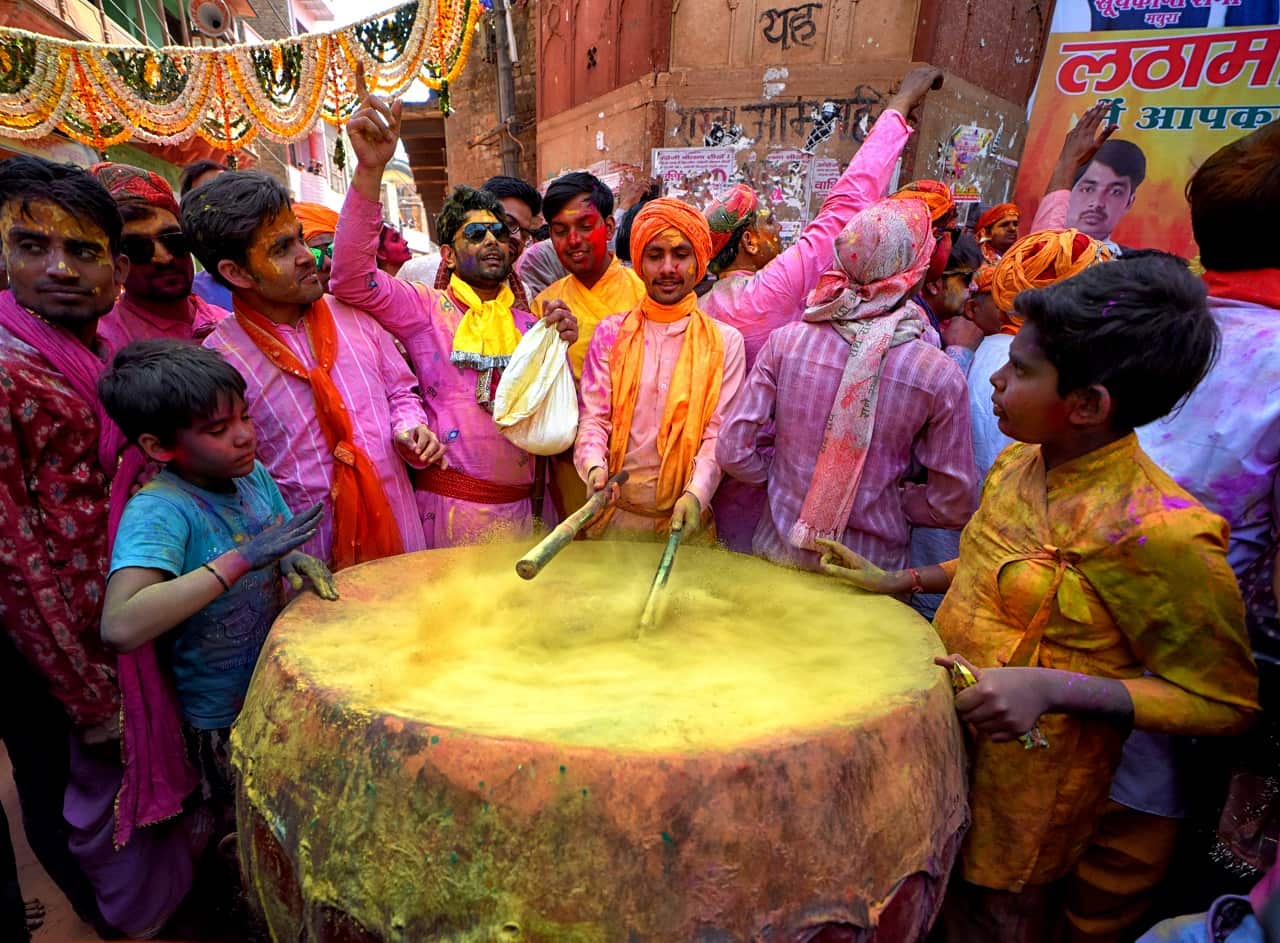
Holi is mostly celebrated in India and Nepal where there are large Hindu populations. Streets, parks and buildings are drenched in colour as people dance, drum and sing.
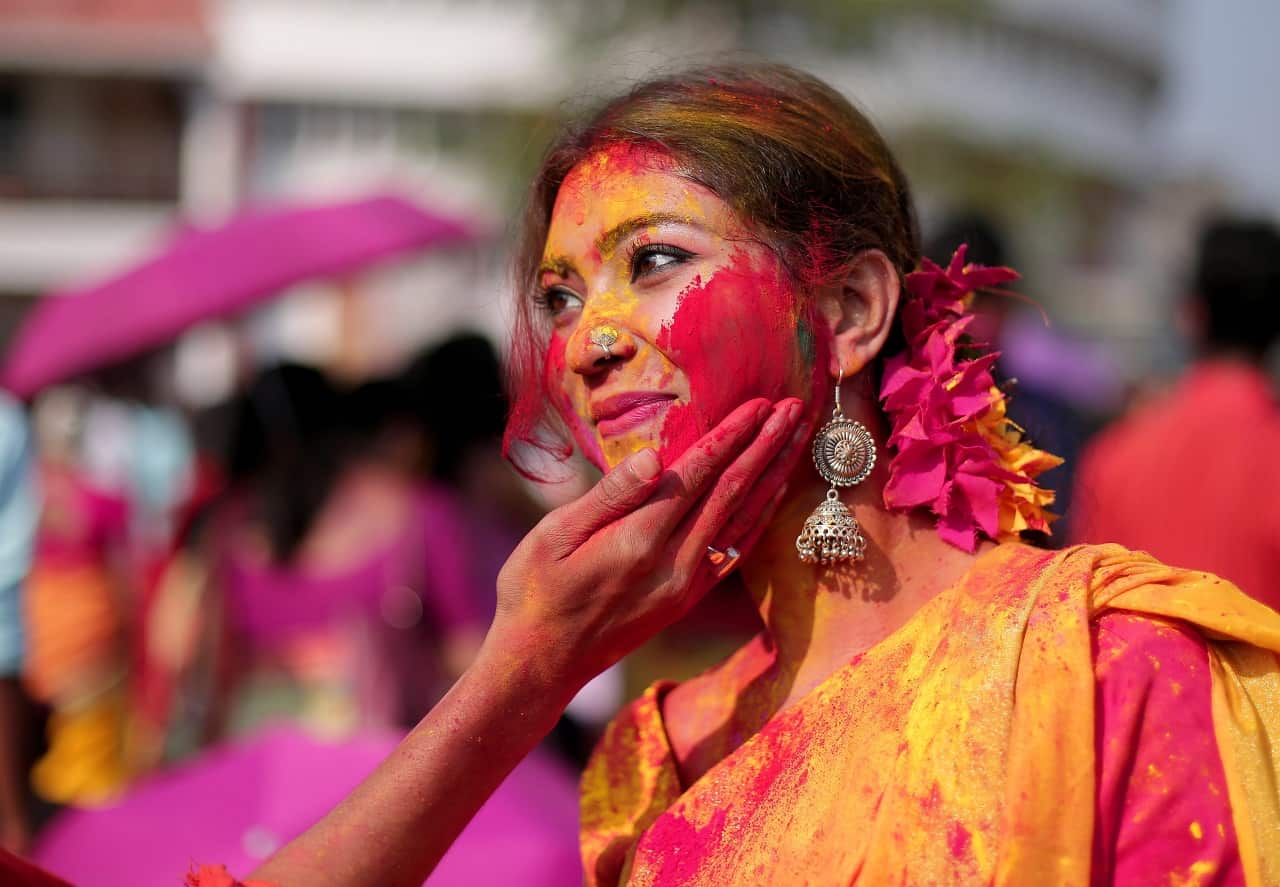
Over time, the festival has gained popularity across the world, including in Australia. It is well-known for the colourful powder festivalgoers throw on one another, traditionally known as Gulal or Abeer.
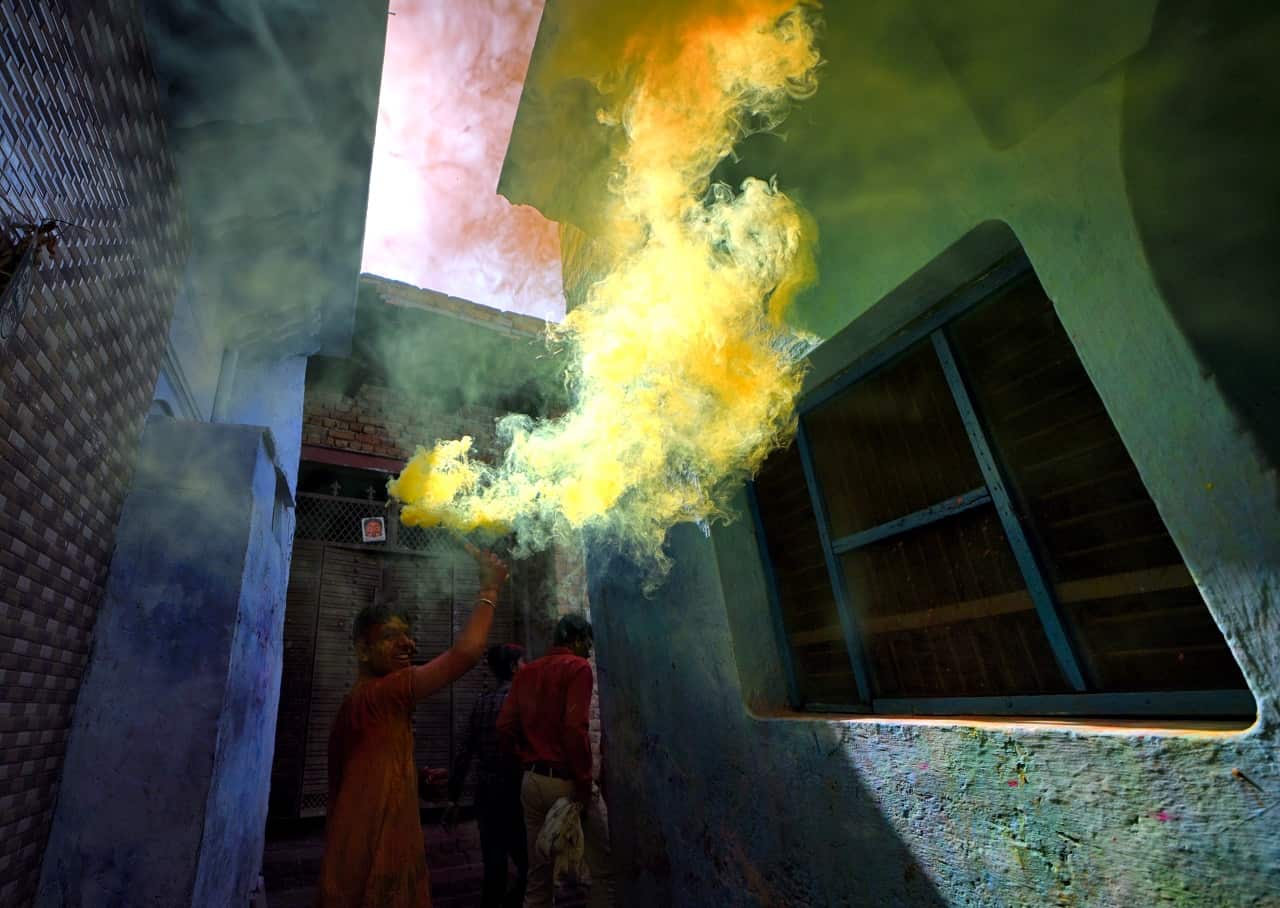
This year, the Hindu Council of Australia has organised a celebration of Holi on Sunday 24 March at Civic Park in Pendle Hill, Sydney.
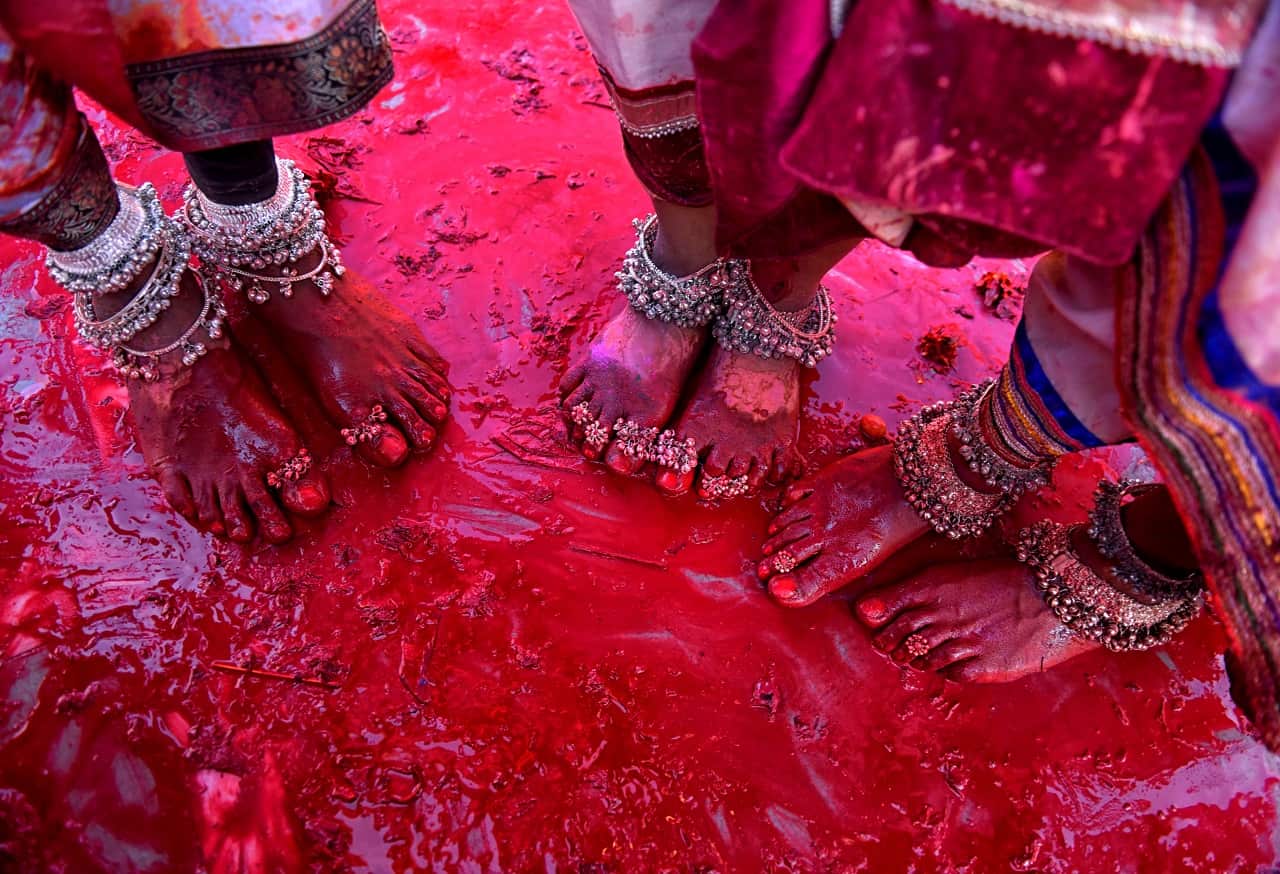
The origins of Holi can be linked to Prahlada and Holika, who are both found in Hindu Vedic scriptures. In the scriptures, Prahlada and god Krishna are known to have overpowered the evil king Hiranyakashipu and his sister, who was a demoness named Holika.
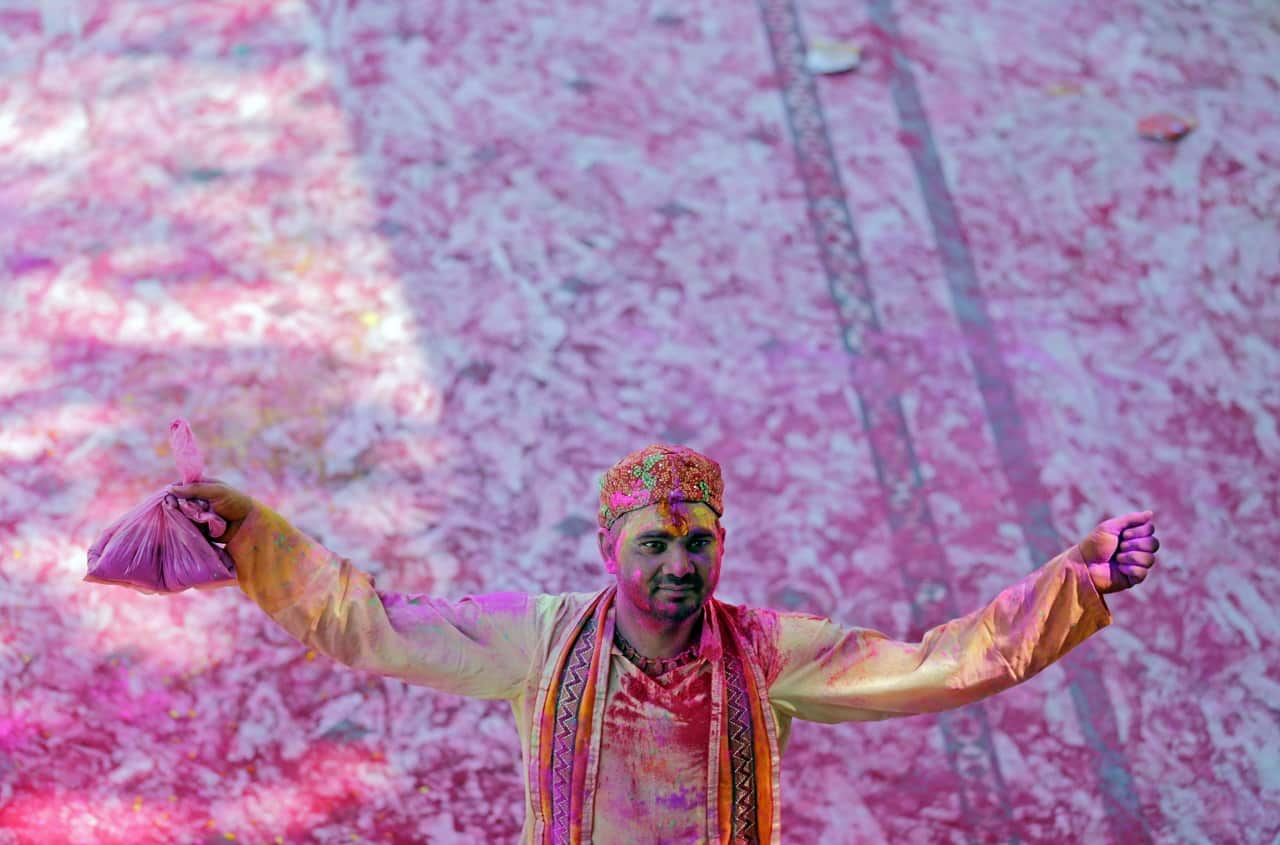
The festival starts in the evening with Holika Dahan, a gathering around a bonfire which represents the burning of demoness Holika. The next morning this triumph over evil is celebrated with Rangwali Holi. This is when the colours are thrown.
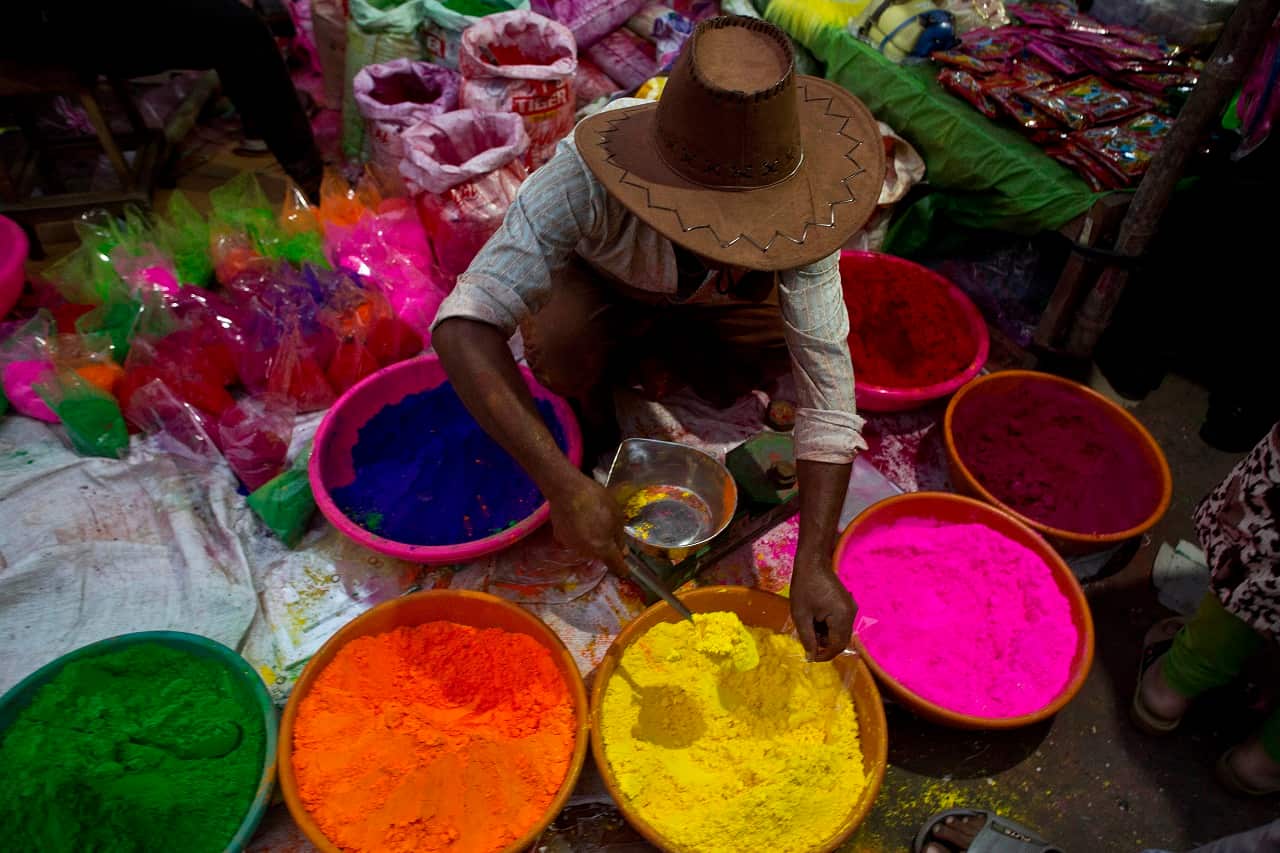
Each colour has its own meaning with red representing fertility and beauty, green representing the harvest and blue representing the blue-skinned god Krishna.