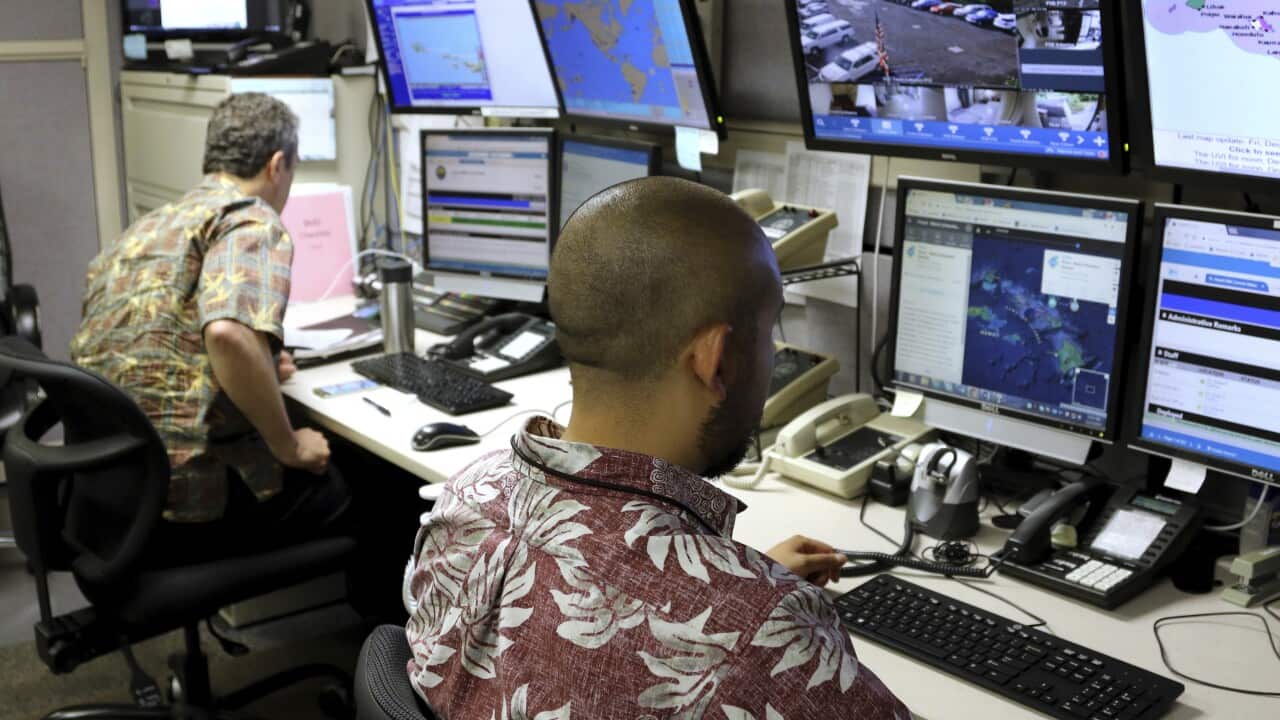
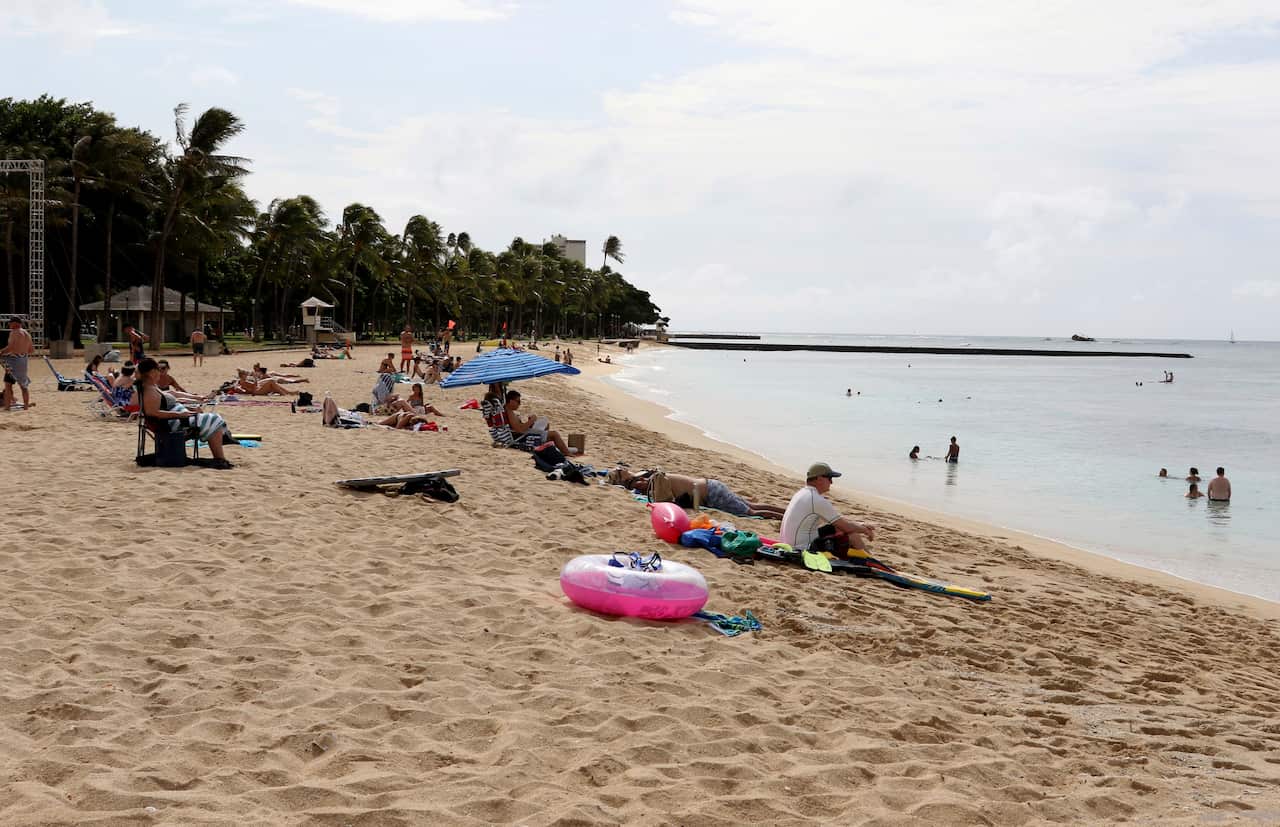
Hawaii's Cold War-era warning system is being checked after a practice siren intended to alert tourists to a nuclear attack was barely heard above the crashing waves and wind on the famous Waikiki beach.
The siren - which would give people 20 minutes to take shelter ahead of an imminent missile strike - hasn't been used since the end of the Cold War but when it was tested on Friday it was hardly noticed by beachgoers.
Officials are now checking if the system, which would be sounded in the event of a North Korean nuclear attack, has malfunctioned or just needs to be turned up.
"I was out in the ocean playing around, and I heard this siren," Canadian tourist Tom Passmore said, adding that he didn't think much of it.
"I think it's a good idea," he said of the test, "but judging by everyone's reaction around here, nobody moved."
News that makes sense
Your trusted source for staying up-to-date with the world around you. Get free daily news updates and analysis, straight to your inbox.
Vern Miyagi, administrator of the Hawaii Emergency Management Agency, said early reports indicate the test went well, but officials could get complaints later.
They will document any they receive and investigate if there were any glitches - a process they carry out after every monthly test of a siren for natural disasters.
There are 385 warning sirens throughout the islands. How well someone hears them depends on how close they are to a device, Miyagi said.
Hawaii officials said it is the first state to bring back the Cold War-era attack warning system. The wailing siren sounded for a minute after the usual testing of the steady alert for tsunamis and other events that residents are used to hearing.
The possibility of a strike is remote but it's important to be prepared, Governor David Ige said this week. The test will ensure the public knows what to do in case of an impending attack, he said.
It comes the same week North Korea fired a powerful nuclear-capable intercontinental ballistic missile it calls the Hwasong-15, leading analysts to conclude the nation has made a jump in its missile capability.
The weapon would have a range of more than 13,000 kilometres, easily reaching the US mainland.







