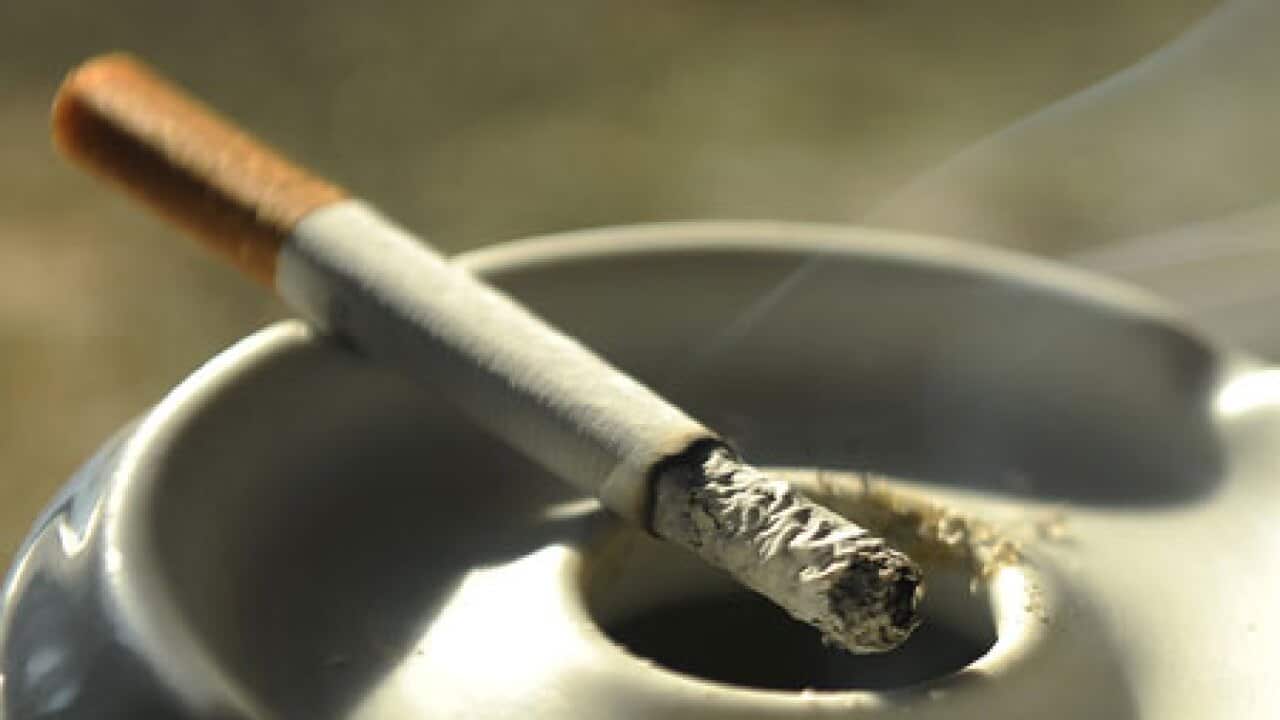
New laws will force tobacco importers and manufacturers across Australia to get rid of their current cigarette stocks and replace them with self-extinguishing cigarettes from next Tuesday.
The ban on traditional, high fire risk cigarettes will prevent thousands of blazes each year, the NSW Fire Brigade says.
The new product will be rolled in different paper, which features 'speed bumps' that slow burning and cause them to self-extinguish when they are not being smoked.
The change is as a result of legislation, which requires 70 to 80 per cent of cigarettes to stop burning when left alone.
Old stocks must go
News that makes sense
Your trusted source for staying up-to-date with the world around you. Get free daily news updates and analysis, straight to your inbox.
Tobacco retailers have until September 2010 to sell their existing stocks of non-compliant cigarettes.
"The new cigarettes, when not smoked actively will put themselves out," says Fire Brigade commissioner Greg Mullins.
"(But) people need to know that no cigarette is safe," he added.
Mr Mullins said 4,500 fires were caused by cigarettes each year in Australia.
According to coroners' reports at least 77 people lost their lives in cigarette-related fires between 2000 and 2005.
'No difference' for consumers
Mr Mullins assured smokers the new cigarettes would not change the smoking experience.
"The research from New York, UK and the European Union is that consumers notice no difference, in cost or in taste," he said.
Smokers may have to re-light their cigarettes several times, but flavour would not be affected, Louise Warburton from British American Tobacco Australia said.
The company's call centre had already answered customer complaints about the new product, Warburton said.
Customers so far had been appeased by call centre staff's explanations that the change was due to new legislation, she added.
Fire risks
Canada and New York State had similar bans, according to BATA.
Emergency Services Minister Steve Whan said NSW had pushed for the national ban because tobacco companies had been reluctant to introduce the new cigarettes.
"Manufacturers haven't wanted to do this that's why it's important that the government has actually pushed this," he said.
"It's a bit of a black mark on the cigarette industry that they haven't done this on their own accord."
Warburton said BATA was reluctant to introduce the reduced-risk product out of concern that they would prompt smokers to become careless, leaving butts on beds or throwing them out of car windows.
No data on health
The Cancer Council had no information on health risks associated with the slow-burning cigarette. It was not consulted by the government, which has been in talks with tobacco companies about the ban since 2006.
Action on Smoking and Health spokesman professor Simon Chapman hailed the ban.
"What is disgraceful in all this, is that Australian tobacco companies have had the know-how to introduce reduced fire risk cigarettes for many years, but chose not to do so," he said.
"They apparently cared more about the fact that these cigarettes can often go out - irritating smokers - than the fact that their products were the cause of so much unnecessary death and destruction."







