Iran and world powers are set to resume talks seeking a landmark breakthrough over Tehran's nuclear program that also satisfies sceptical hardliners in Washington, Israel and the Islamic republic.
The Geneva meeting takes place amid heightened Middle East tensions after twin suicide bombings outside the Iranian embassy in Beirut killed at least 23 people on Tuesday.
Iran blamed Israel and its "mercenaries".
Ten days after a high-drama gathering also in Geneva, Iran and the United States, China, Russia, Britain, France and Germany - the P5+1 - have been cautiously optimistic a deal is possible this time.
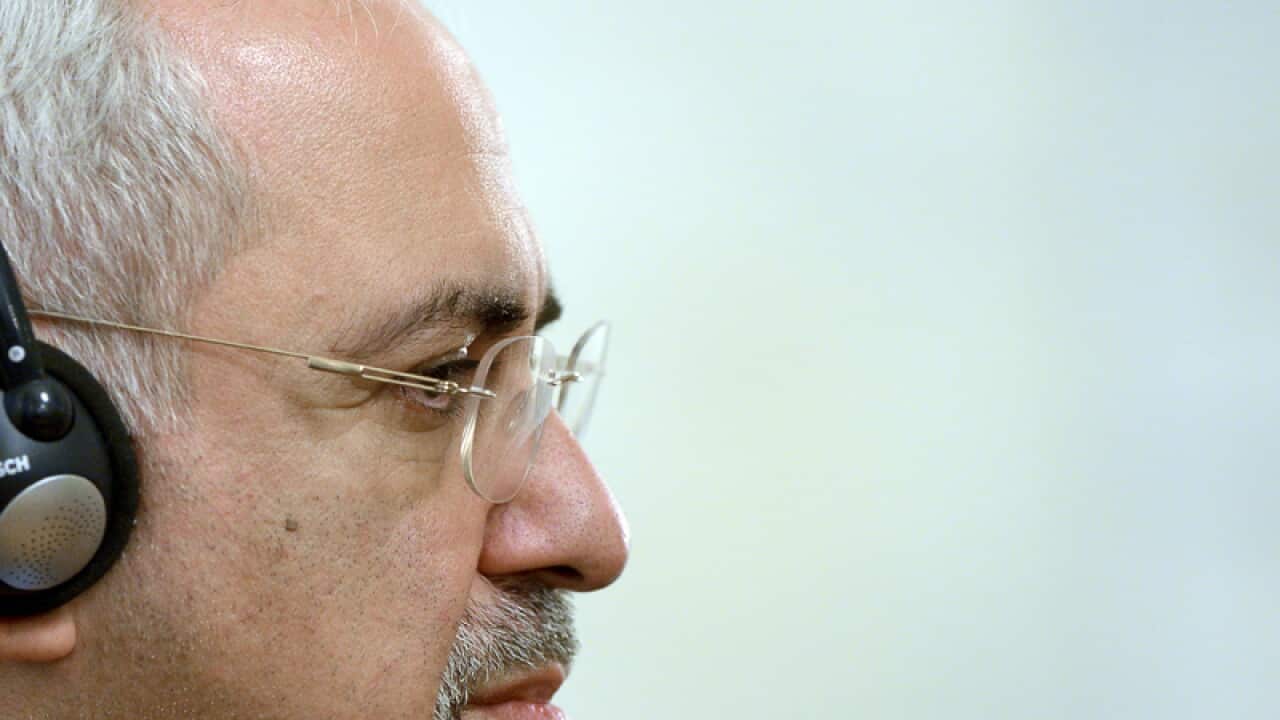
Iranian Foreign Minister Mohammad Javad Zarif, who also posted a conciliatory but defiant message on YouTube ahead of the meeting, said in Rome that there was "every possibility for success".
News that makes sense
Your trusted source for staying up-to-date with the world around you. Get free daily news updates and analysis, straight to your inbox.
But US President Barack Obama was more circumspect, telling a Wall Street Journal CEO forum on Tuesday: "I don't know if we will be able to close a deal this week or next week."
Russian President Vladimir Putin - due to host Israeli Prime Minister Benjamin Netanyahu on Wednesday - said on Monday in a phone call with Iranian counterpart Hassan Rouhani that there was a "real chance".
British Prime Minister David Cameron's office said Tuesday after he also phoned Rouhani - the first such contact in a decade - that both leaders agreed it was "important to seize the opportunity".
The P5+1 powers want a "first phase" deal whereby Iran freezes the most sensitive parts of its nuclear activities while a long-term accord is hammered out.
But the question is whether Iran, seeking an easing of UN, US and EU sanctions that have more than halved the country's lifeblood oil exports, will accept what it is being offered in return.
On the table in Geneva is only a "limited, temporary, target and reversible" relief package that a senior US official said "will not come anywhere near helping Iran escape the hole that we've put them in."
"We will maintain the sanctions as long as we are not certain that Iran has definitively and irreversibly renounced its military program to obtain nuclear weapons," French President Francois Hollande said in Israel on Monday.
If his "charm offensive" fails, Rouhani, whose election this year has raised big hopes of a breakthrough and an entente with the West, risks losing the support of supreme leader Ayatollah Ali Khamenei, experts say.
Uranium enrichment is the main worry for the international community since enriched uranium has civilian uses but also can go in a bomb.
Iran already has enough for several bombs if it chose to enrich further to weapons-grade, a "breakout" that - for now - would be detected by the International Atomic Energy Agency UN watchdog.
Hardliners in Israel and the United States want all enrichment to stop - as multiple UN Security Council resolutions have demanded - and Iran's entire stockpile of enriched uranium removed.
But the P5+1 are happy with the suspension of enrichment to medium levels and the reduction of Iran's stockpiles of material enriched to this level, as well as more IAEA inspections and a halt to work at the Arak reactor.







