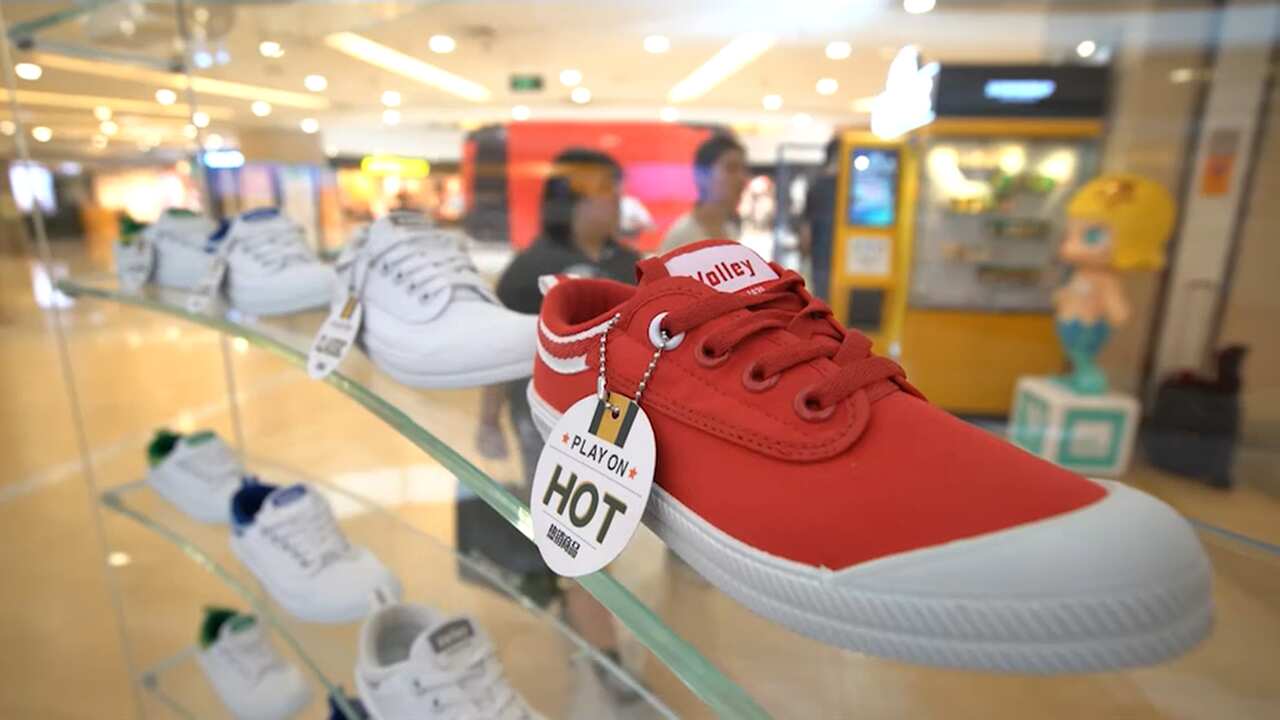


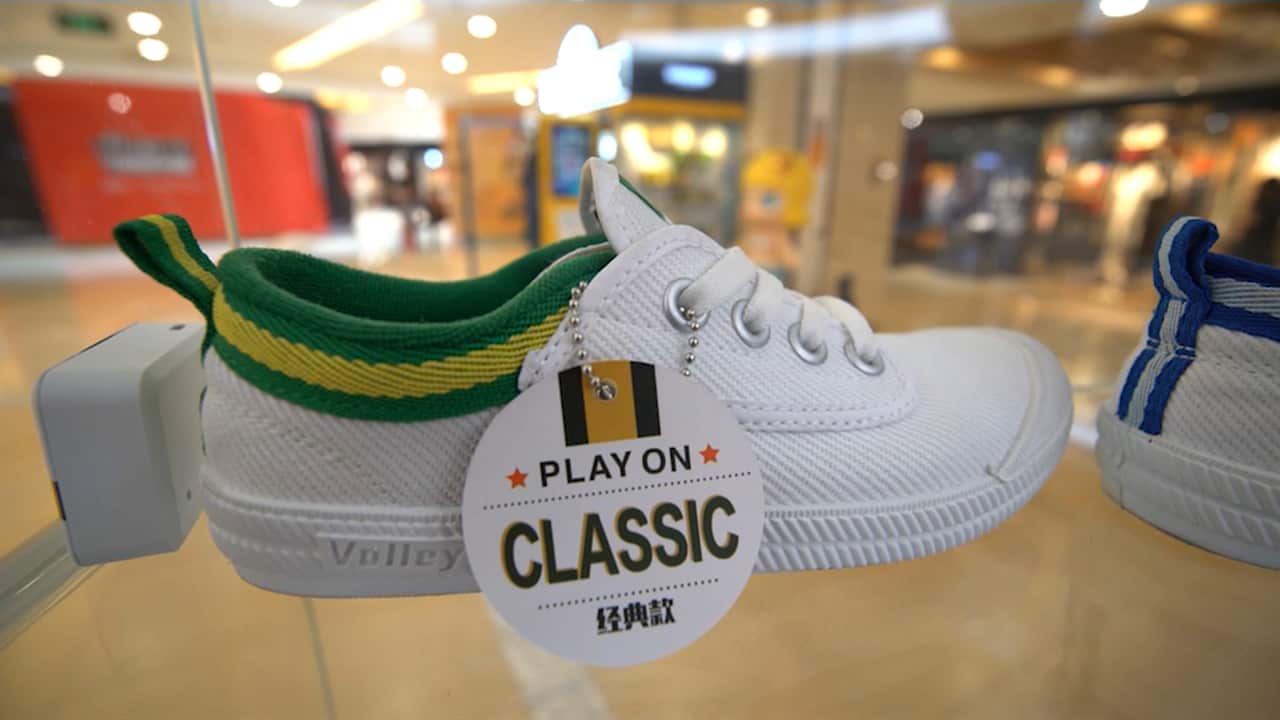
Volley shoes were once donned by everyone from students to tradies. The simple white sneaker was also famously worn by Australian tennis stars Rod Laver and Evonne Goolagong Cawley.
Now the 80s footwear has found a new market, with sales skyrocketing in China. But a China fashion industry consultant in Beijing is cautioning Australian designers against a perception that succeeding in China is easy.
"It’s a fantastic story of a brand responding to an opportunity in China. Volley got on top of it quickly, and it was very smart of them. But it’s not necessarily a proven way of entering the China market,” says Tim Coghlan, founder of the Australia-China Fashion Alliance.
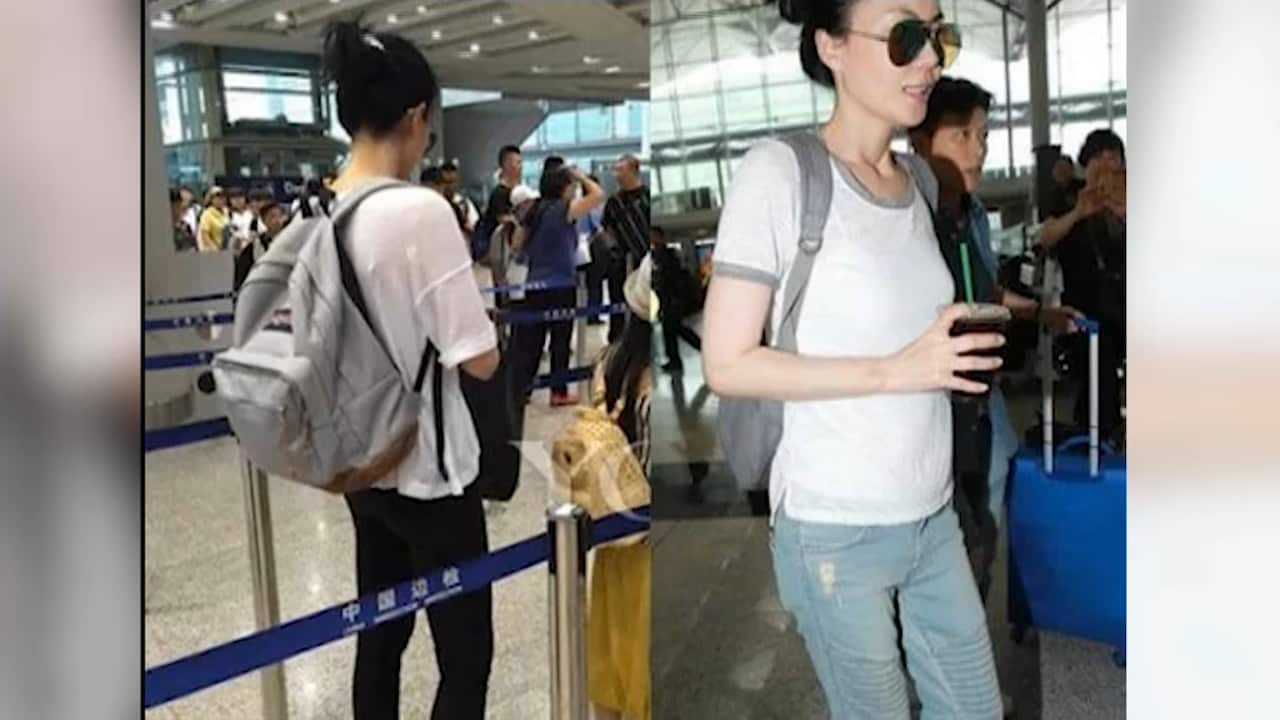
It follows the boom in Chinese sales for Australian footwear brand Volley thanks to paparazzi snaps of ‘China’s Beyonce’ Faye Wong donning the sneakers at Hong Kong International airport in 2016.
The label will open its second bricks and mortar store in Shanghai later this month following successful sales from its first pop-up store in Beijing.
“Faye Wong was a celebrity who chose to wear the shoes and her image went viral. It was a great avenue for Volley and they were ready to act on it fast. A part of it happened organically, and it’s hard to replicate,” says Mr Coghlan.
“If another Australian brand got a celebrity to endorse their product, it wouldn't necessarily equal overnight success.”
The consultant says having a long-term view of the China market is key.
“Coming into China you need to usually commit for three to five years before you even break even, or see some profit. That can be difficult for smaller brands.”
Volley’s presence in China has skyrocketed faster than most.
Selling for around AUD $85 pair, 70 per cent of Volley’s wholesale sales are now made in China.
There are plans to open 50 stores across China by 2021.
“In the one and half months we’ve been open our sales are getting better and better,” says Beijing Volley store manager Shu Jie.
He says more than 20 per cent of customers who come to the store say they were inspired by Faye Wong.
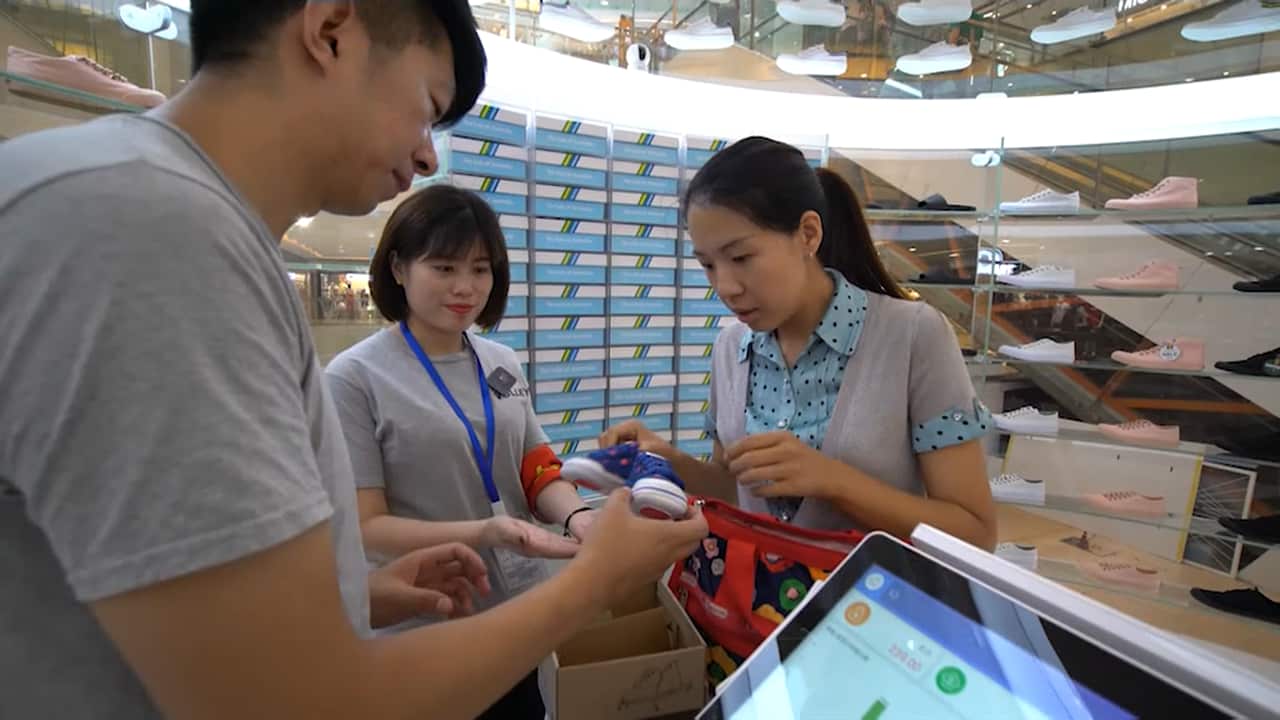
But despite ‘Sole of Australia’ signs hanging on the shop’s back wall, the majority of customers have no idea the brand is Australian.
“Most of them don’t realise it’s an Australian shoe. But we always give customers an introduction so they become more aware,” says Shu Jie.
Australian university alumni and Beijing-based designer Cindy Wei Zhang says Australian fashion labels lack a strong Australian brand identity in contrast to Australian food, beverages and health products.
She says like Volley, Australian labels should emphasise the selling points of reflecting a relaxed lifestyle and unpretentious quality.
“The difference in seasons is a disadvantage because Australian fashion is often perceived as being slow. But there are a few brands like Sass & Bide and C/Meo who are adapting to the China market.

"Australian clothing is simple, but highly wearable with unique design features. It has mass appeal and is smart-looking wearable street fashion. This is an advantage,” says Ms Wei Zhang.
Tim Coghlan agrees that Australian labels can play up their simplicity in the China market.
“There’s a certain aspect of the Chinese fashion sense which is casual, which relates to the Australian relaxed lifestyle and way of wearing clothes, as opposed to places like Europe and New York, which is more dressed up.”
Though entering the Chinese market can be challenging, and requires adequate time and resources, Mr Coghlan says the rewards can be big.
“It’s extremely competitive, but if you can do it right and find your niche sector, it can be very lucrative. The opportunities are greater than what can be found in the US or Europe. So for Australian brands looking at international expansion, China should be at the top of their list.”