
IN BRIEF
- The Greek Herald is marking 100 years of serving Australia's Greek community.
- Despite changes in format, the newspaper has continued to be an important source of connection for its readers.
The presses have rolled, the stories have travelled, and for 100 years, Australia's Greek community has kept turning the pages of their treasured community newspaper.
"You gotta have a newspaper, you can't depend on TV all the time," says George Thanos, who remembers reading the Greek Herald as a child in the 1950s when he and his family arrived in Australia.
"We used to go to the Greek church on Saturday or Sunday, and they give you a paper," he says.
"The Greek Herald helped a lot. We could read what was going on in Australia, what's going on overseas. We all used to depend on the paper to get along, advertise for jobs, and it was a very good communication system."
For many Greek and Cypriot post-war arrivals, the paper was a lifeline for those who were still learning to speak English.
News that makes sense
Your trusted source for staying up-to-date with the world around you. Get free daily news updates and analysis, straight to your inbox.
"The time when we came here, we didn't speak much English. Only 'yes' and 'no'," Charalambos Kokotsis recalls.
"The Greek newspaper... it was one thing we read. It was something good for us."
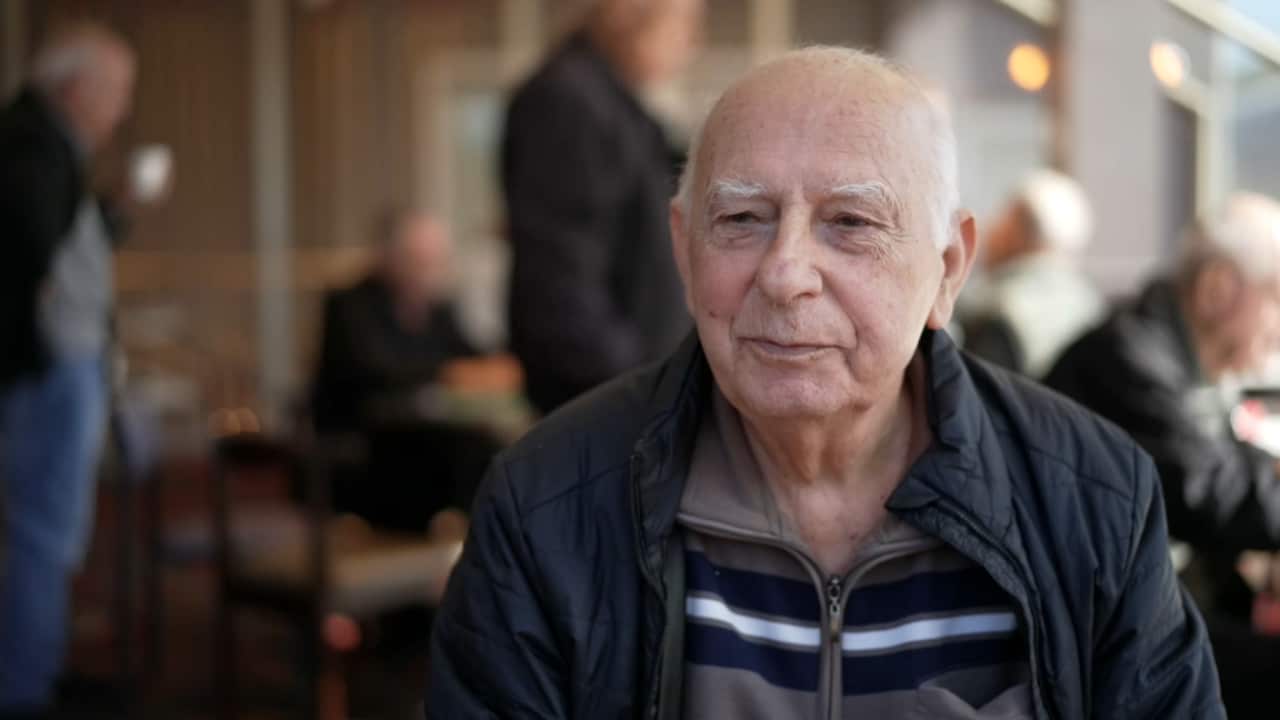
Decades later the community still depends on the paper, Kokotsis says, to catch up on "funerals, memorials, sports and a little bit of news".
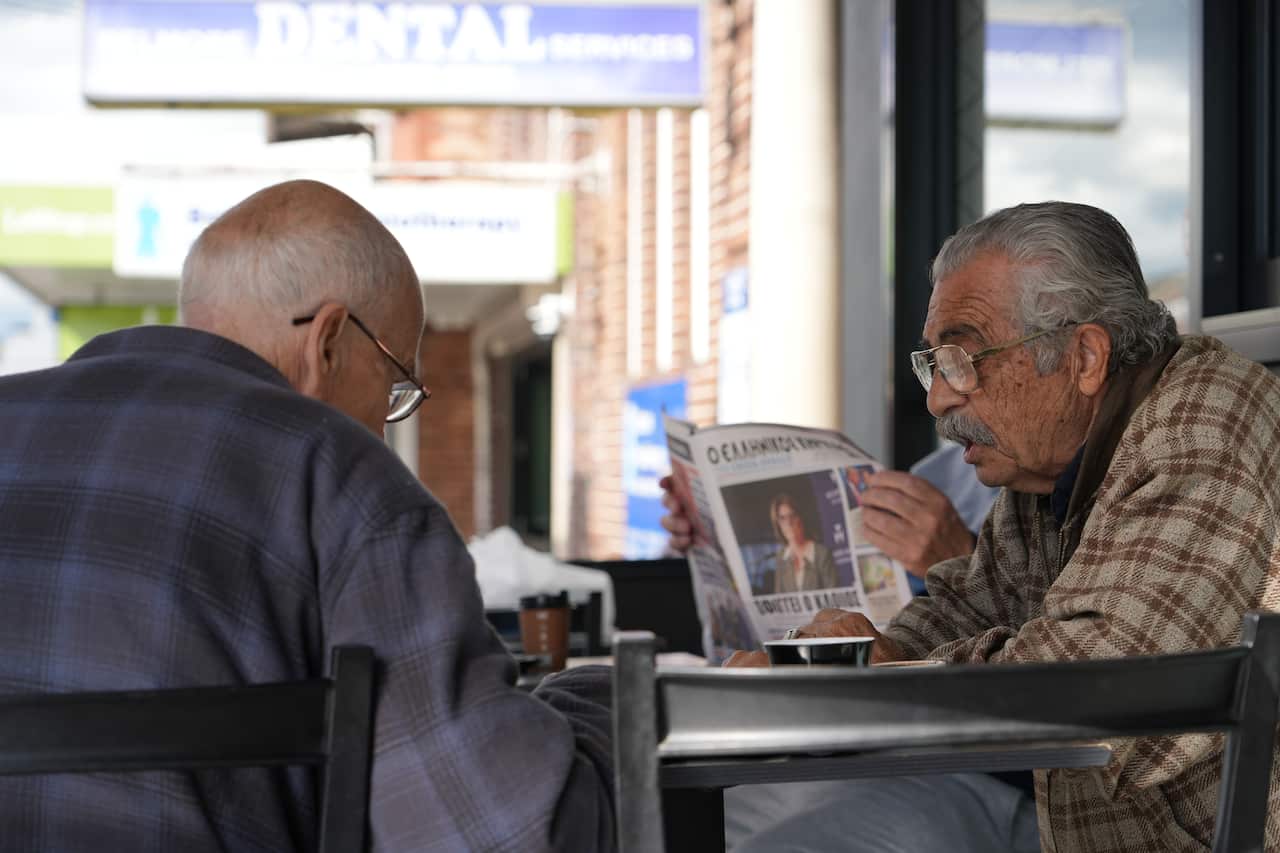
And it remains a ritual for many in Australia's Greek kafenios — coffee houses — and community clubs.
Now in his 90s, Pantelis Christou still travels to Sydney's Cyprus Club every other day.
"I come here to have a coffee, read the newspaper and see my friends," he says.
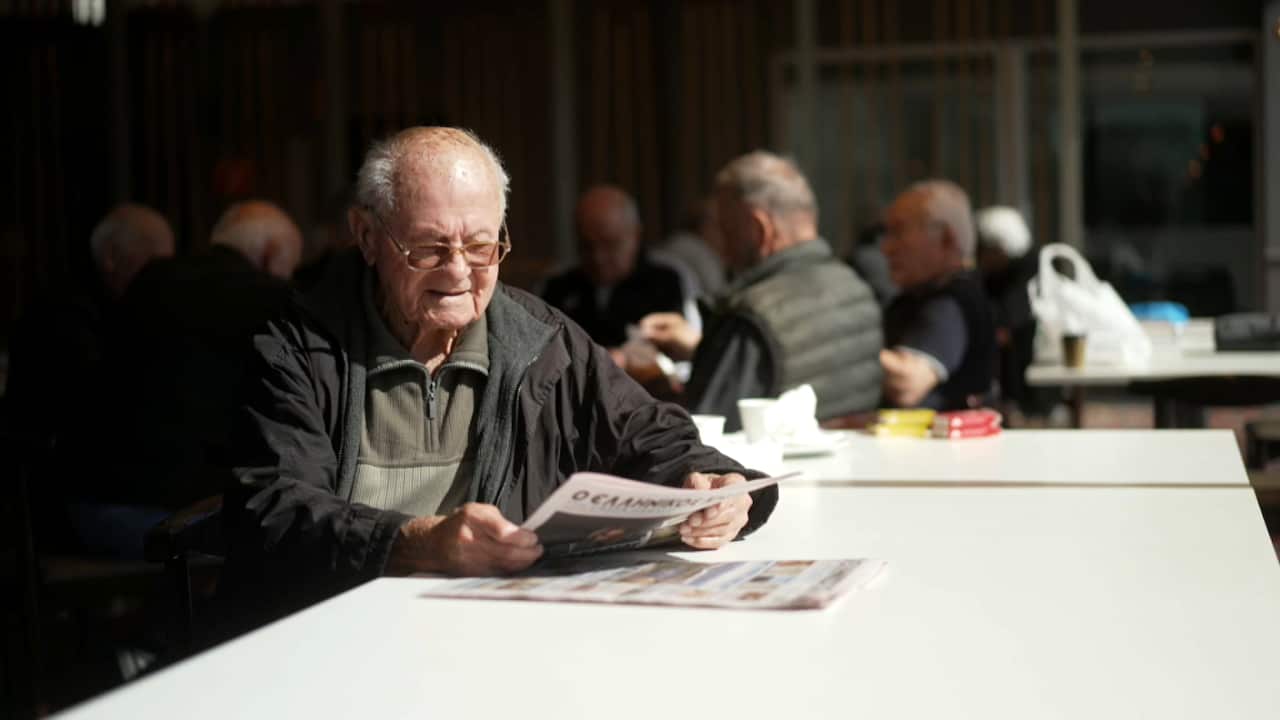
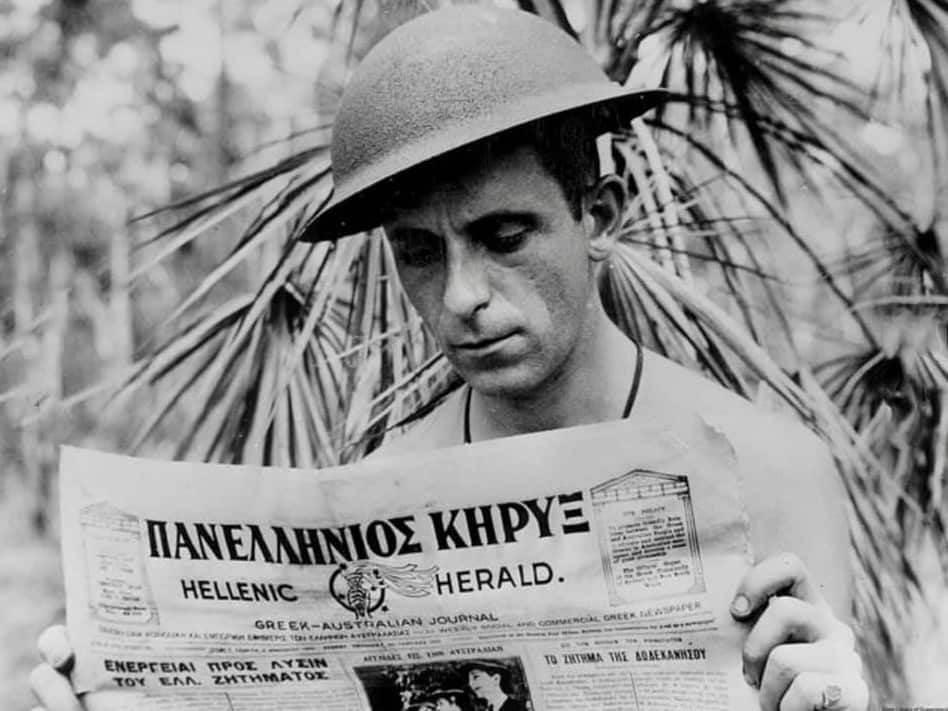
The Greek Herald began in 1926 as a modest broadsheet called The Hellenic Herald, and has since grown into a national institution.
But it was not only influential in Australia.
While documenting abandoned Greek villages in the 1980s, historical researchers Leonard Janiszewski and Effy Alexakis discovered copies of the newspaper had been sent back to Greece.
For relatives back home, the paper was a powerful symbol of possibility, Janiszewski says, showing that a Greek community could thrive on the other side of the world.
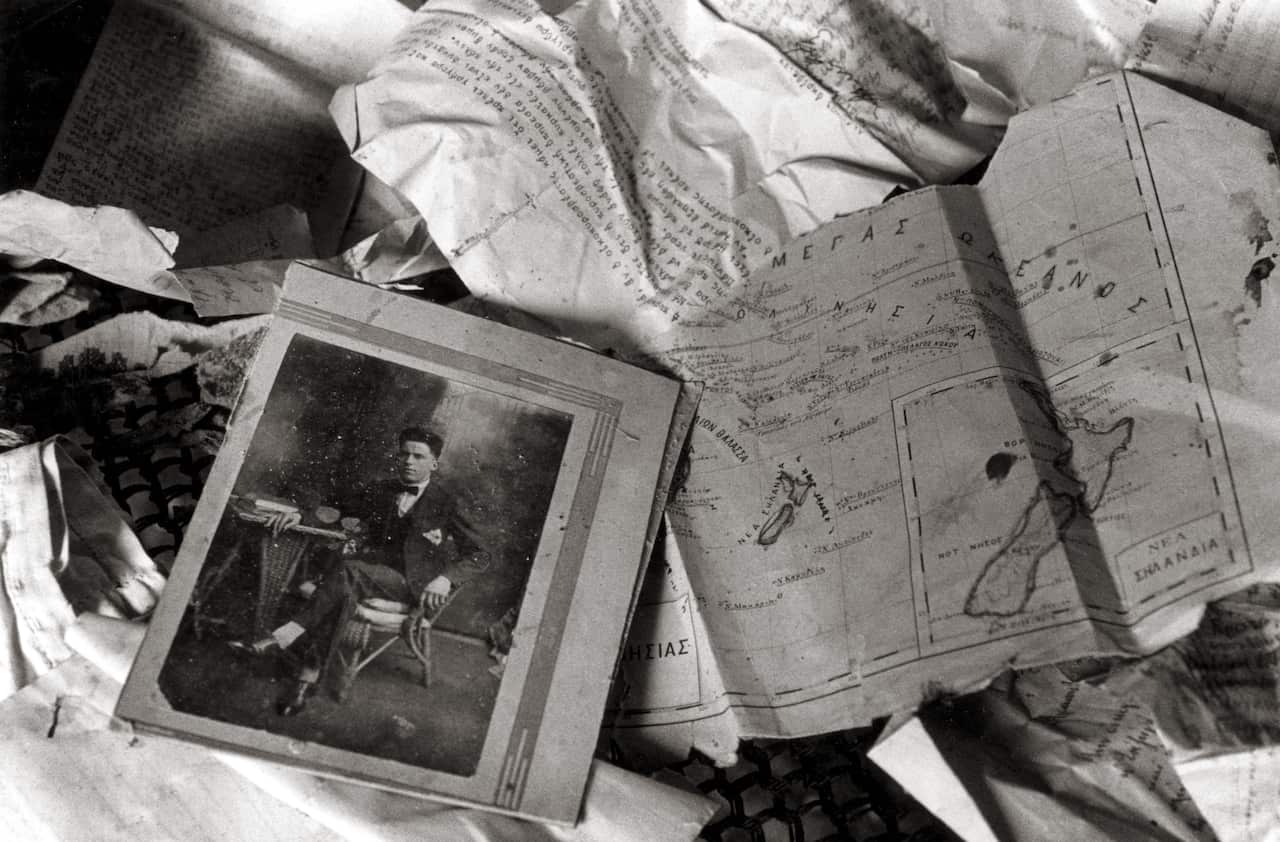
"What it was telling them was not just simply that there was a community here, but there was a community in which you had churches, a community where you could go to a Greek barber, you could go to a Greek shop, you could go to a Greek store," he tells SBS News.
"And that stimulated further chain migration."
A community institution and family business
In 1971, the paper was bought by publisher Theo Skalkos, a larger-than-life media figure once described as the "Greek Murdoch".
In a 1996 SBS interview, Skalkos joked that he and Murdoch were "like brothers".
Under his leadership, the publication expanded dramatically, becoming the only daily Greek-language newspaper published outside Greece and Cyprus.
Printing presses have rolled every single day from 1972 onward, an extraordinary feat for an ethnic community newspaper in Australia.
Skalkos also owned several other mastheads in different languages, driving an ethnic community media empire in Australia.
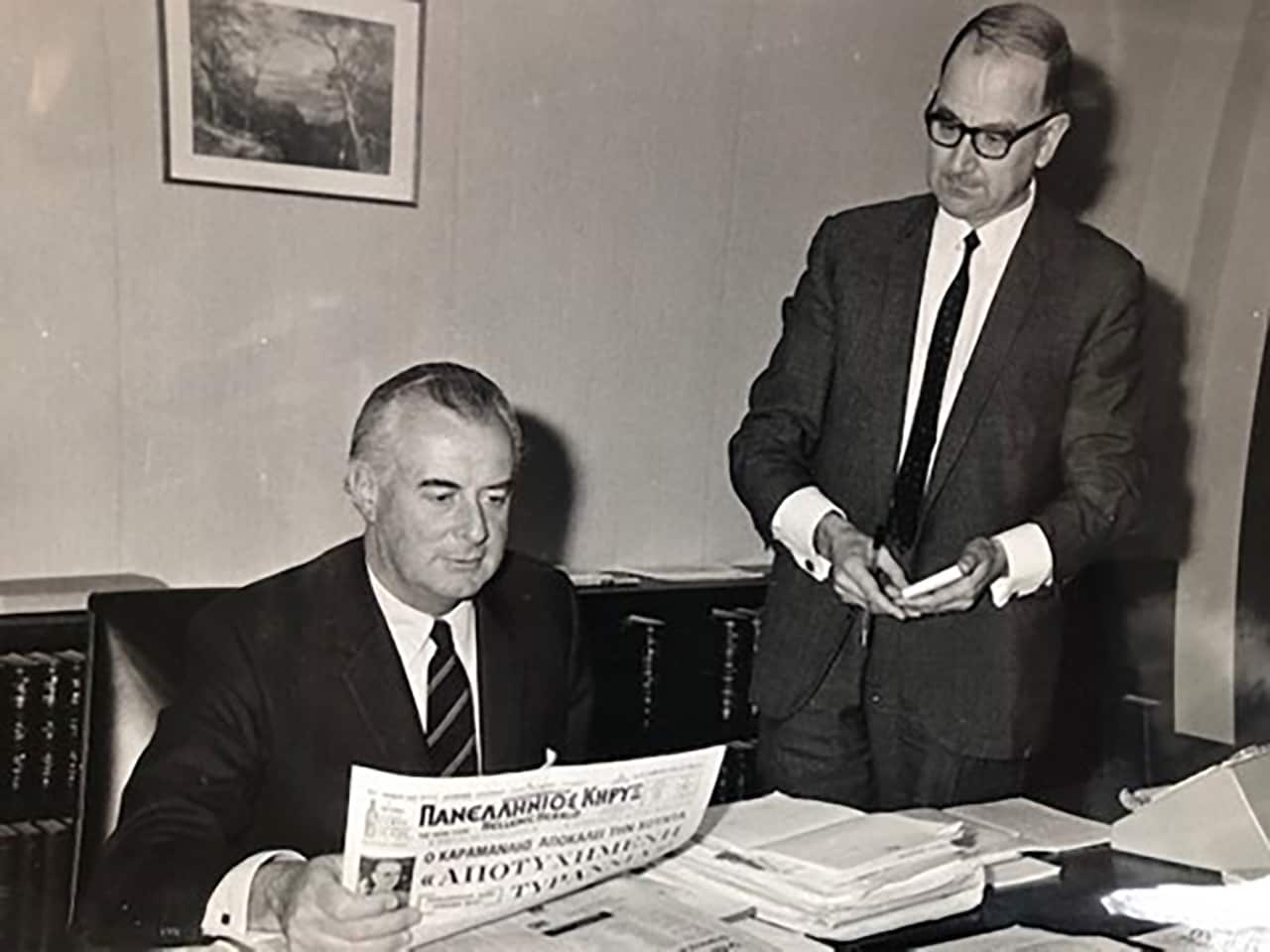
His daughter, Dimitra Skalkos, took over from him after his 40 years at the helm of the Greek Herald.
"I grew up in the printing presses," she tells SBS News.
"There was movement, there was screaming, there was stopping printers, there was changing plates because stories would break,"
"There were strikes and and all sorts of things, but we never missed an edition."
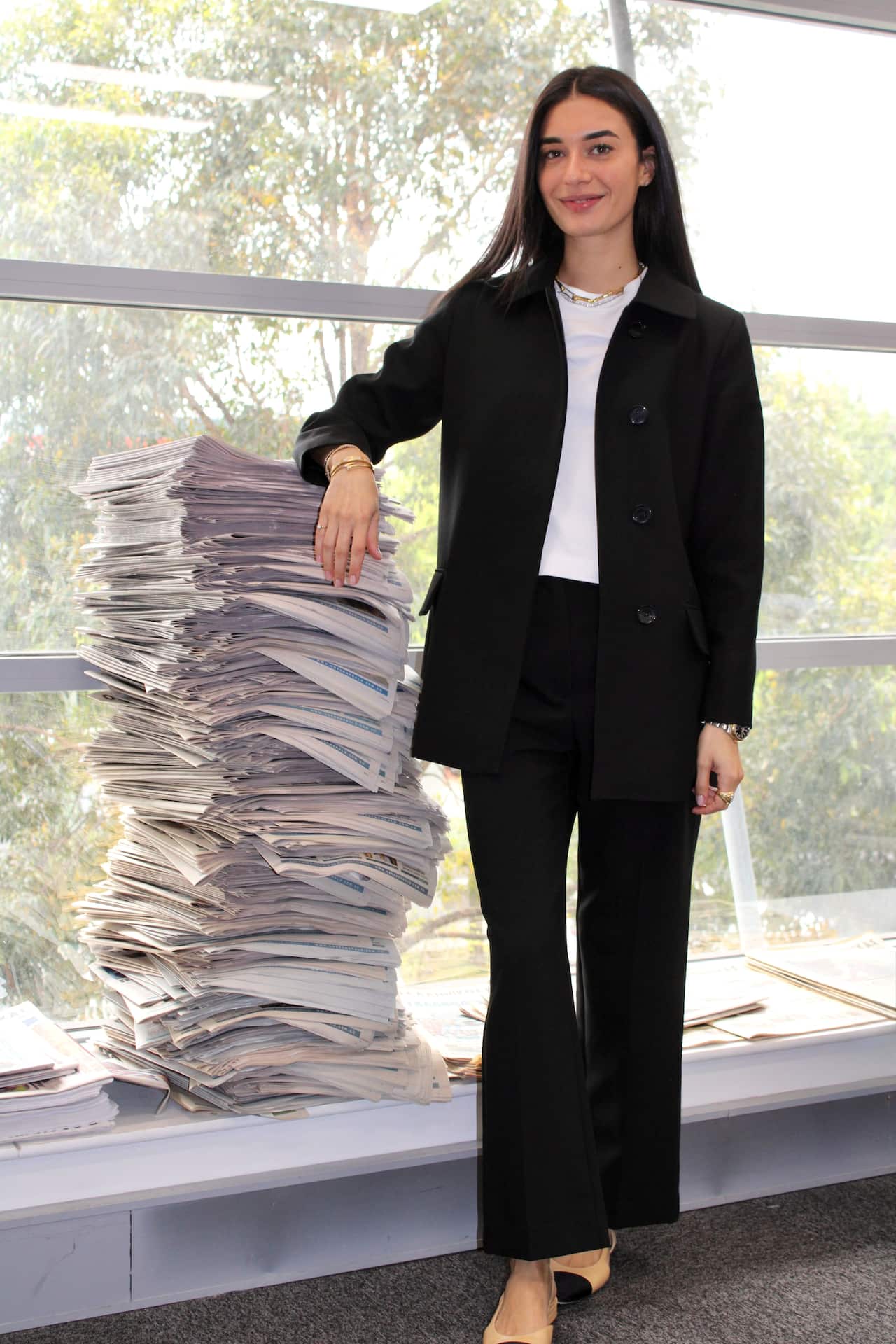
She says taking over from her father following his passing in 2019, was "very overwhelming, a little bit terrifying" and that running a newspaper is "exhausting, but it's amazing and colourful".
Reaching younger generations
For the Greek Herald, an ability to evolve has helped it survive an era that has challenged newsrooms across the globe.
While older members of the Greek diaspora pick up physical editions at suburban newsagents, younger generations engage with it through digital stories, social media and English-language reporting.
Skalkos says young Greek Australians "want to know what their friends are doing, their successes, maybe a little bit of the scandal in the community".
The outlet's digital editor, Andriana Simos, says many of her peers engage with stories on the Herald's website on social media platforms, to connect with their community and heritage.
"They're still interested in faith. They're still interested in learning about their identity. They're still interested in community events," she says.
"People connect because they're like, 'That's me. I might not speak Greek, but I can still see myself reflected.'"
Ethnic media survives
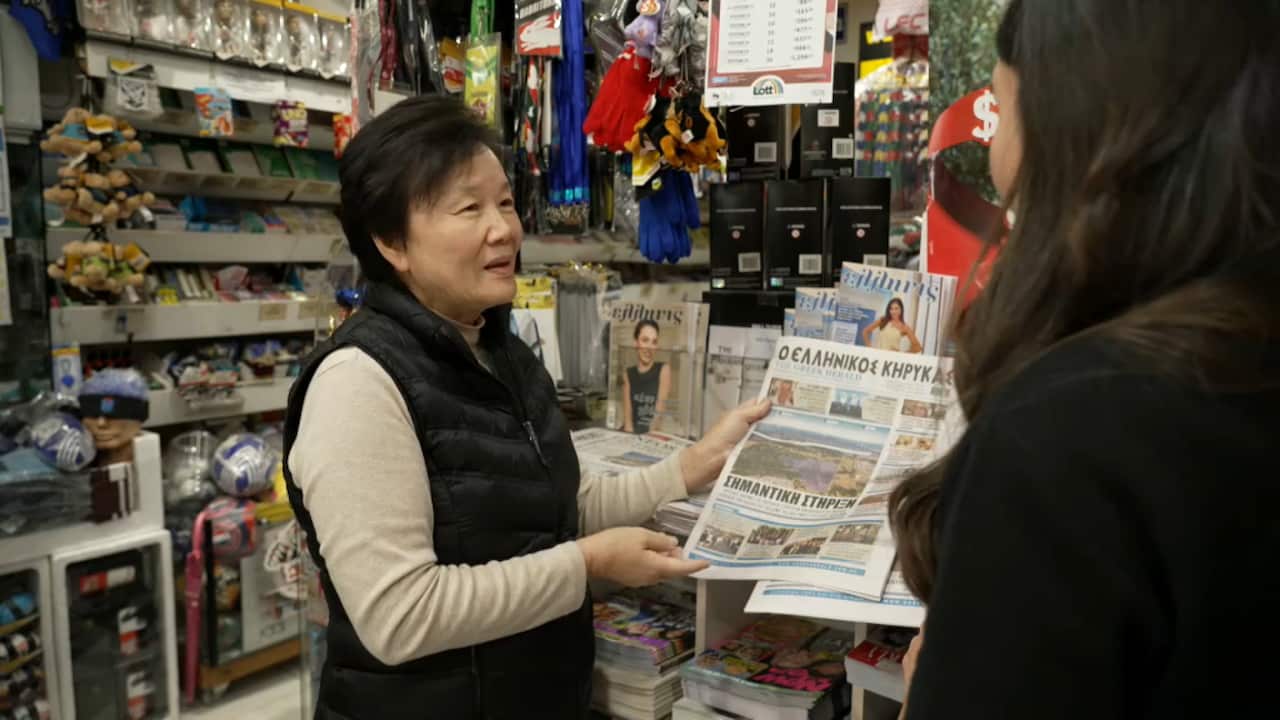
Belmore newsagent My Trieu, who has run the shop for more than 20 years, testifies to the continued relevance of community newspapers and magazines.
She continues to stock a range of multicultural publications.
Even though their readership isn't what it once was, Trieu says they're no less important.
"We have the Lebanese [newspaper], some from Thailand, but mostly the big one is the Greek one," she tells SBS News.
Knowing each of her customers by name, she says "some come every day" to buy the paper.
Many also come, she says, to buy the paper for their parents or grandparents.
Emeritus professor of sociology at the University of Technology Sydney, Andrew Jakubowicz, tells SBS News multicultural media play a critical role in fostering social cohesion.
"One of the few recommendations of the [2023] multicultural framework review ... that the Commonwealth government actually took up was its recommendation that there be much more work done to support ethnic media," he says.
"It was recognised that those media in all sorts of different ways knit people into the wider social fabric."
Jakubowicz says there is also a renewed desire among young people to connect with their heritage.
"This very strong sense that they share in a global diasporic community, whatever particular ethnicity their parents might have come from," he says.
"And it helps them become I think a bit more like global citizens."
For historians like Leonard Janiszewski, publications like The Greek Herald are essential not only for preserving language and culture, but for helping multicultural Australians understand one another.
"It's showing us the diversity that exists within Australia," he says.
"And through that diversity, we actually get unity."
For the latest from SBS News, download our app and subscribe to our newsletter.







