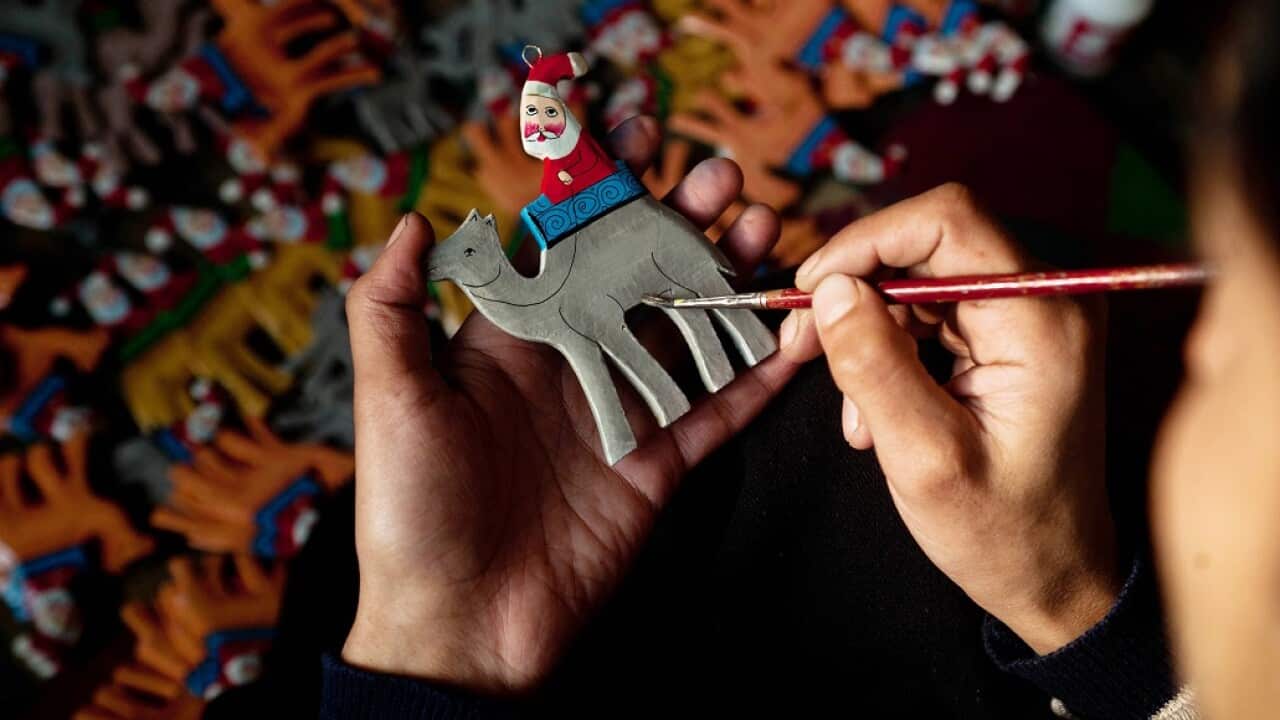
Research shows that waste can double during the Christmas period, and most of it is plastic from gift wrapping and packaging.
The British, for example, go through more than 40 million rolls of (mostly plastic) sticky tape every year and use enough wrapping paper to go around the Equator nine times.
We love plastic. It is an amazing material, so ubiquitous in our lives we barely notice it. Unfortunately, plastic waste has become a serious worldwide environmental and health issue.
If we don’t love the idea of a planet covered in plastic waste, we urgently need to reduce our plastic consumption.
Yet old habits die hard, especially over the holiday season, when we tend to let go and indulge ourselves.
Typically, people hold off until the new year to make positive changes. But you don’t have to wait – it’s easier than you might think to make small changes now that will reduce your holiday plastic waste, and maybe even start some enjoyable new traditions in your family or household.
Here is our list of suggestions to help you transform this indulgent time into a great opportunity to kickstart your plastic-free new year.
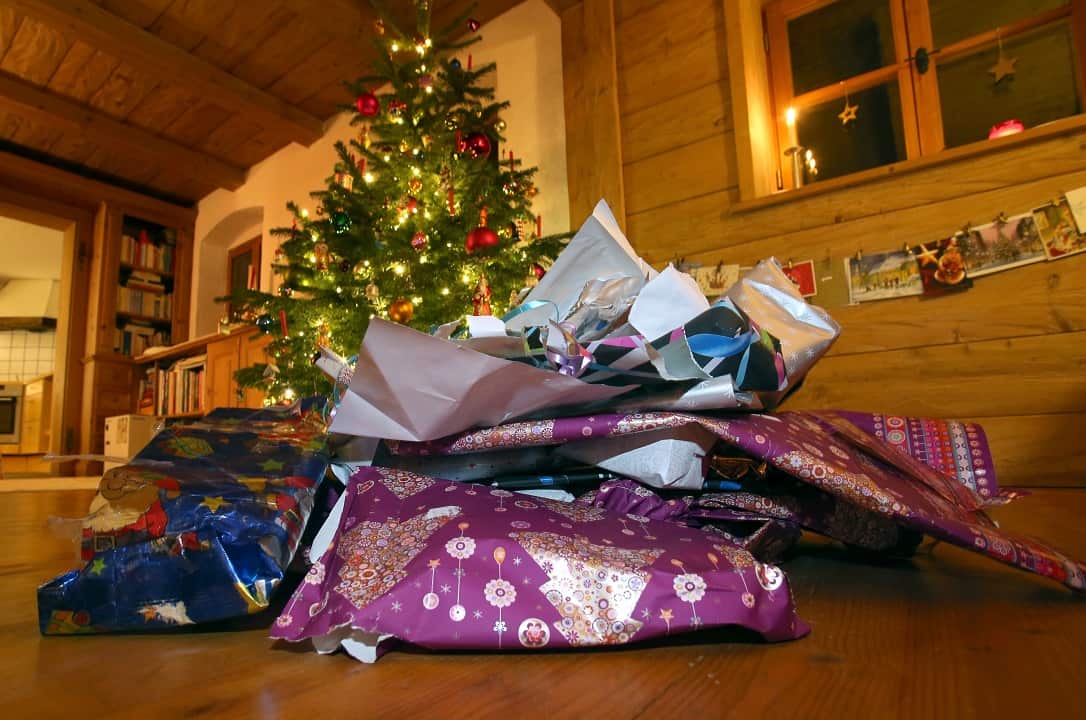
Tonnes of Christmas wrapping paper ends up in landfill every year. Source: Getty Images
Gifts
The best option is to avoid or minimise gifts or at least reduce them to a manageable level by suggesting a secret Santa, or a “kids-only” gift arrangement.
Of course, it’s hard to justify giving no gifts at all, so if you must give:
- Make a list of presents assigned to each person before you hit the shops. This will help you avoid impulse buys, and instead make thoughtful choices.
- Look for gifts that will help the recipient eliminate plastic waste: keep-cups, stainless steel water bottles, worm-farm kits, and so on.
- Gift an experience, event tickets, massage, or a donation to a charity the recipient believes in.
- Consider making gifts for the natural environment: bee hotels, possum and bird boxes, and native plants are all enjoyable ways to encourage nature.
- Where possible, avoid buying online so as to avoid wasteful packaging.
- Consider whether the recipient will treasure their gift or end up throwing it away. Here’s a handy flowchart, which you can also use for your own (non-Christmas) purchases.
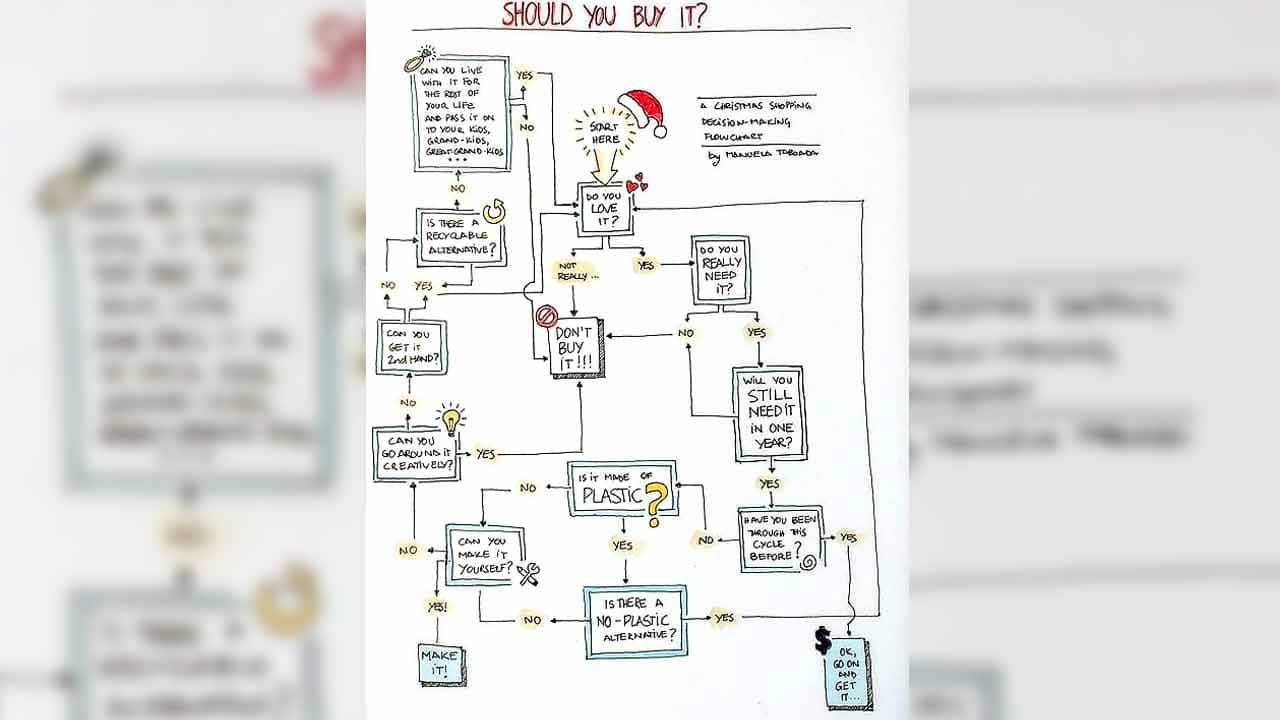
Source: Manuela Taboada, author provided
Gift wrapping
Not only do we buy gifts, but we also wrap them in paper and decorate them with ribbons often made of synthetic materials. It might look fantastic, but it generates a fantastically tall mound of waste afterwards.
Here’s how to wrap plastic-free in style:
- Ditch the sticky tape and synthetic ribbons. Instead, use recycled or repurposed paper and tie up with fabric ribbons, cotton, or hemp twine.
- Try Japanese fabric wrapping (Furoshiki). The big advantage: two gifts in one!
- Choose gifts that do not need wrapping at all, such as the experiences, event tickets or charity donations mentioned above.
Image
Tableware
Disposable tableware is convenient – perhaps too convenient. Plastic plates, cutlery and cups are handy if you’re hosting dozens of friends and relatives, but they are used for a minimal amount of time and are often non-recyclable.
So, when setting up your table:
- Use “real” tableware. You can easily find funky second-hand options. Mixed tableware is a trend!
- If your dishwasher (human or mechanical) can’t handle the strain, consider a washing-up game instead. Line up the guests, time their washing, and give them a prize at the end.
- If disposables are essential, opt for biodegradable tableware such as paper-based uncoated plates and cups, or wooden or bamboo plates and cutlery.
- Beware of plastic options labelled as “biodegradable”. Often they are only degradable in industrial composting facilities, which are not available across most of Australia. Check your local recycling options.
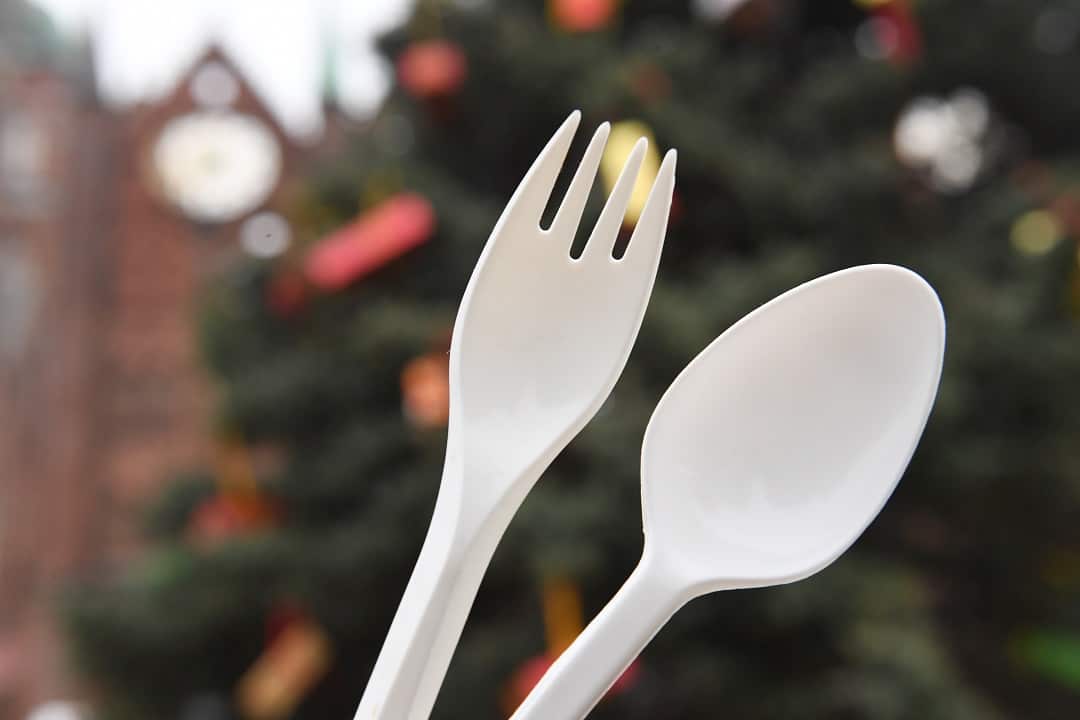
An ACT minister is proposing action on single-use plastics. Source: Getty Images
Toys
Last year, tonnes of plastic waste were found on Henderson Island, one of the most remote places in the world.
Among the items were Monopoly houses and squeaky ducks. Toy items are usually non-recyclable, and eventually end up in landfill or scattered throughout the environment.
- Choose wooden or fabric-based toys. Alternatively, look for toys or games that teach children about the environment.
- Many board games have dozens of plastic accessories, but not all. Look at the list of contents, and choose ones with less plastic.
- It might be hard to stay away from Lego or other iconic plastic toy brands. In this case, consider buying second-hand or joining a toy library.

Packaging
This is by far the hardest item to avoid. Lots of non-plastic items come packed in plastic, including most of our food. So, simply...
- Refuse it: find alternatives that don’t come wrapped in plastic. This might mean changing how and where you buy your food.
- If there are no other options, choose plastic that can be recycled locally and avoid styrofoam, also called expanded polystyrene, which is not recyclable at most facilities.
- If you are buying online, you can often ask for your items to be packed with no plastic.
- For party food leftovers, use beeswax wraps or glass containers, or ask guests to bring their own reusable containers.
There’s a lot going on at Christmas, and it can be easier simply to follow the path of least resistance, and resolve to clean up your act in the new year. But you can avoid getting caught in consumption rituals created by the retail industry.
Make some changes now, and you can have a reduced-plastic Christmas with the same amount of (or even more) style and fun!
- Manuela Taboada, Queensland University of Technology; Glenda Amayo Caldwell, Queensland University of Technology; Hope Johnson, Queensland University of Technology; Leonie Barner, Queensland University of Technology, and Rowena Maguire, Queensland University of Technology.
- Glenda Amayo Caldwell receives funding from the Innovative Manufacturing Cooperative Research Centre.
- Leonie Barner receives funding from the Australian Research Council (ARC) and the German Science Foundation (DFG).
- Hope Johnson, Manuela Taboada, and Rowena Maguire do not work for, consult, own shares in or receive funding from any company or organisation that would benefit from this article, and have disclosed no relevant affiliations beyond their academic appointment.
Share


