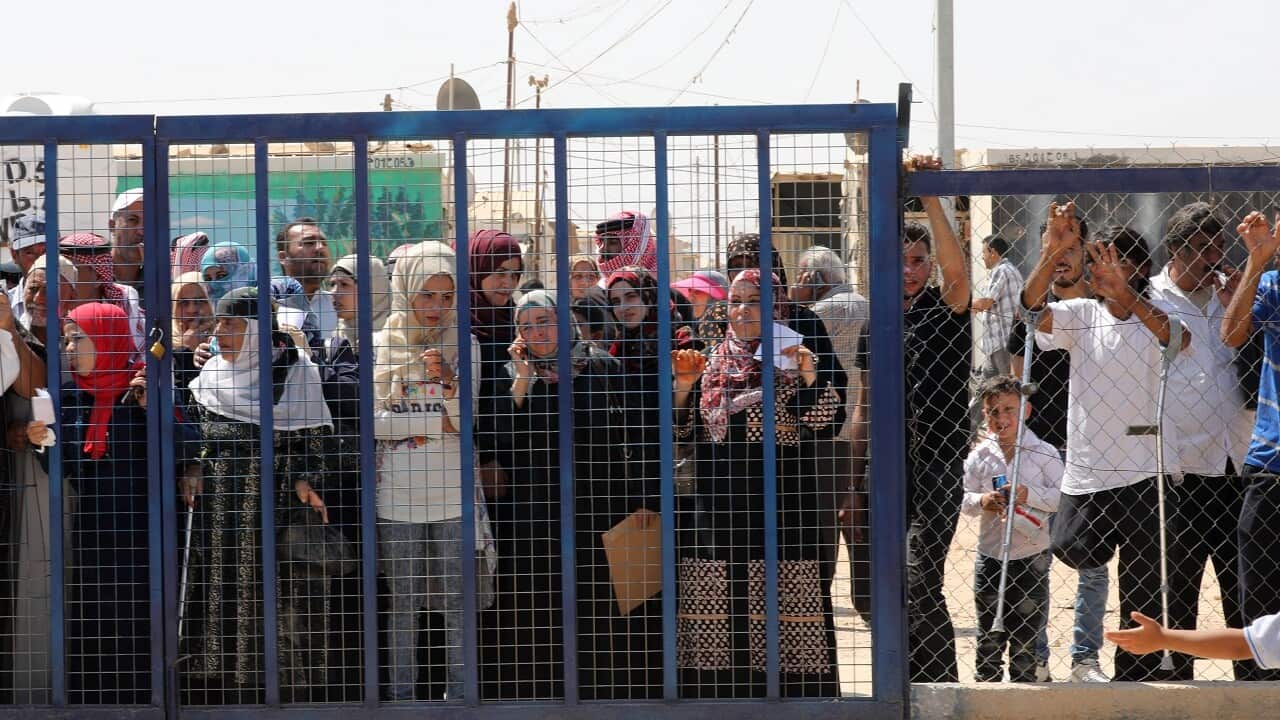
Jordan, which hosts hundreds of thousands of Syrians who have fled war in their country since 2011, took a "step forward" and another "step back for urban refugees", granting them legal status while revoking health subsidies, HRW said.
On March 4, Jordan began to regularise the status of thousands of vulnerable refugees who live outside camps, a move aimed at protecting them from arrest and facilitating better access to education and employment opportunities.
The decision came less than two months after authorities in January moved to revoke the eligibility of Syrians living outside camps to receive subsidised healthcare.
"The move to regularise the status of Syrian refugees in Jordan's urban areas means that they no longer have to live underground, promising a better future for their children," said Bill Van Esvald, senior children's rights researcher at HRW.
"Jordan and its international donors should not undermine these improvements by pulling the rug out from under refugees on health care that families are already struggling to afford."
News that makes sense
Your trusted source for staying up-to-date with the world around you. Get free daily news updates and analysis, straight to your inbox.
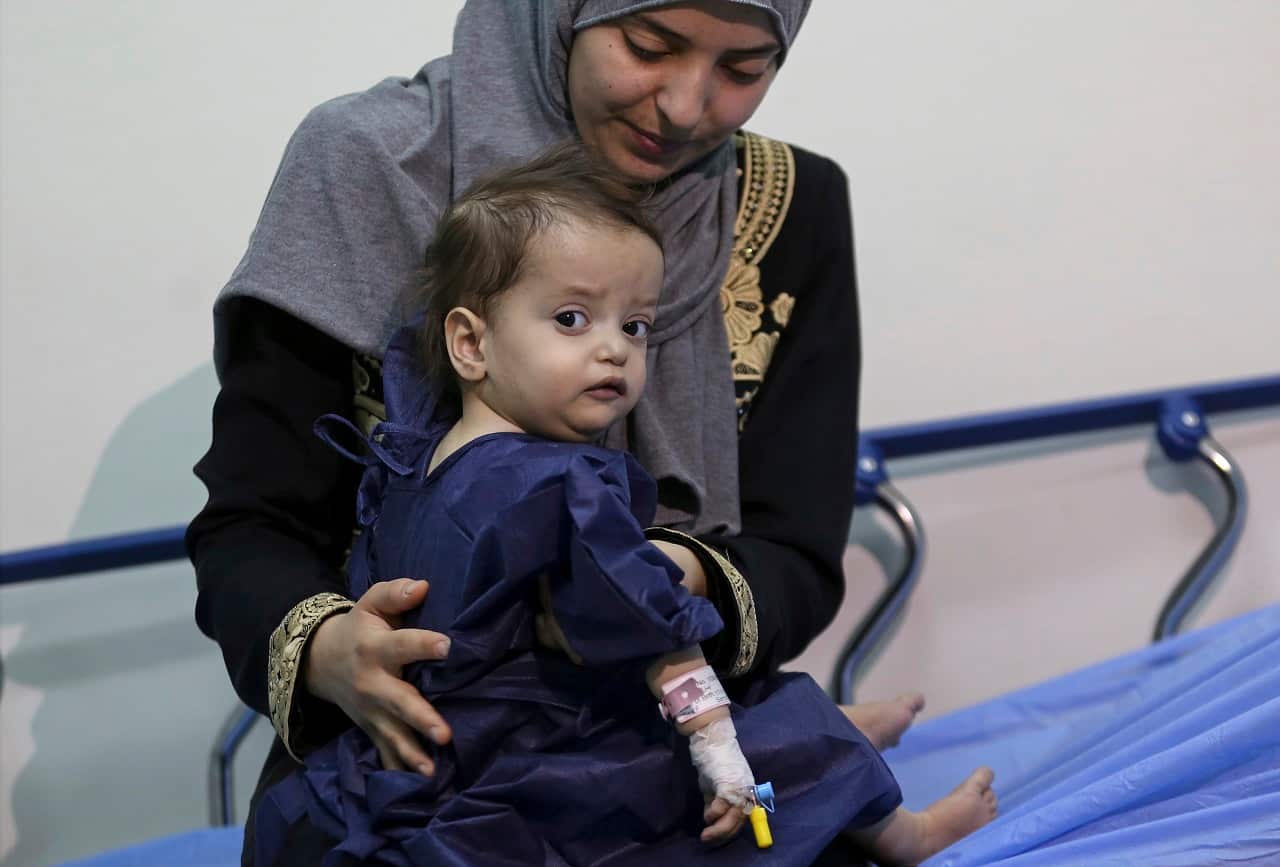
Syrian refugees in Jordan had access to free healthcare from 2012 to 2014. Since then they had received the same subsidies as uninsured Jordanians, the watchdog said.
January's decision, which is expected to affect 30,000-50,000 Syrians, will require refugees in urban areas to pay the same rates as other foreigners at public hospitals "with 80 percent up-front", HRW said.
Jordanian officials have not explained the reasons for the change in their medical protection policy, but have in the past pointed to the exorbitant cost of providing healthcare services to refugees, it said.
From the beginning of the Syrian conflict in 2011 though 2016, Jordanian authorities spent nearly $2.1 billion (1.7 billion euro) on health services for Syrians, the rights group said.
More than 650,000 Syrian refugees are registered with the UN High Commissioner for Refugees (UNHCR) in Jordan while Amman says the kingdom is hosting more than one million refugees from Syria.
Funds provided by international donors for Syrian refugee medical care in Jordan met only 66 percent of what was needed for 2017, HRW estimated.
As of February, the UNHCR had only received $17.8 million of the $274.9 million budget it needs for Jordan in 2018, it said.







