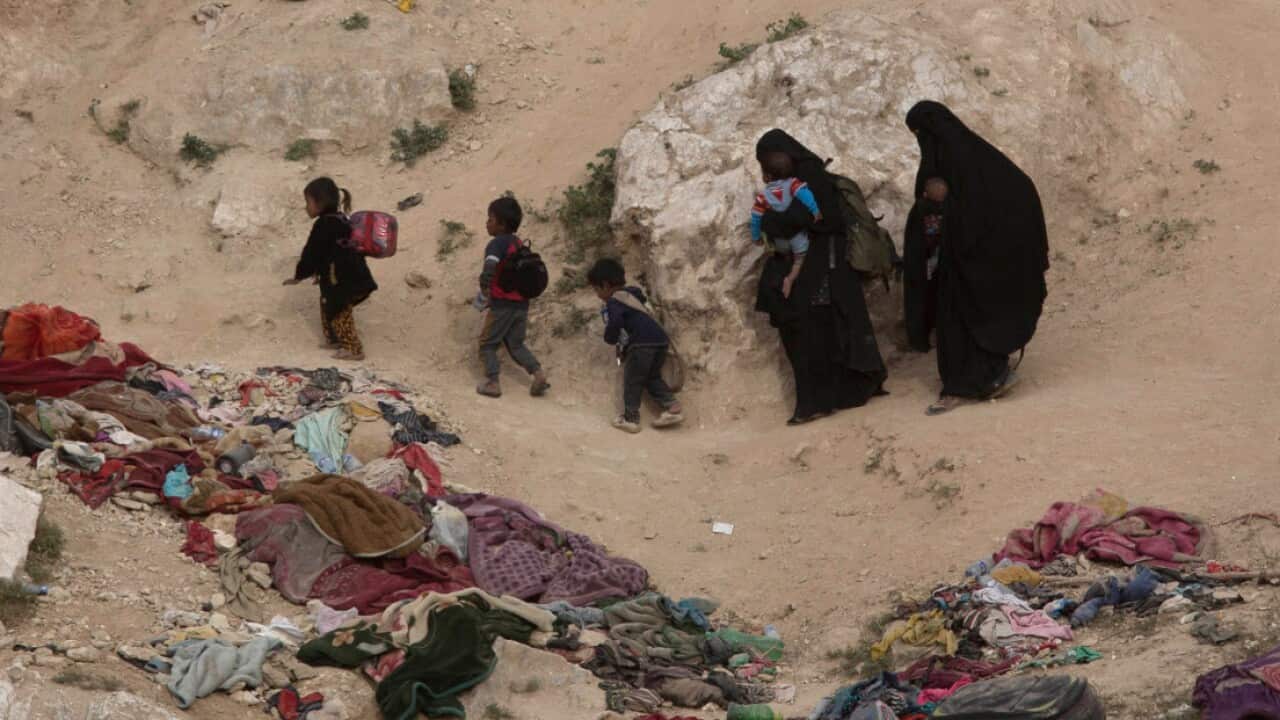
Kurdish authorities in northeast Syria on Monday started sending home 800 Syrian women and children who had been evacuated from the IS group's "caliphate".
They also handed over five Norwegian orphans who had been stranded in the same camp of Al-Hol following a visit by a delegation from Oslo.
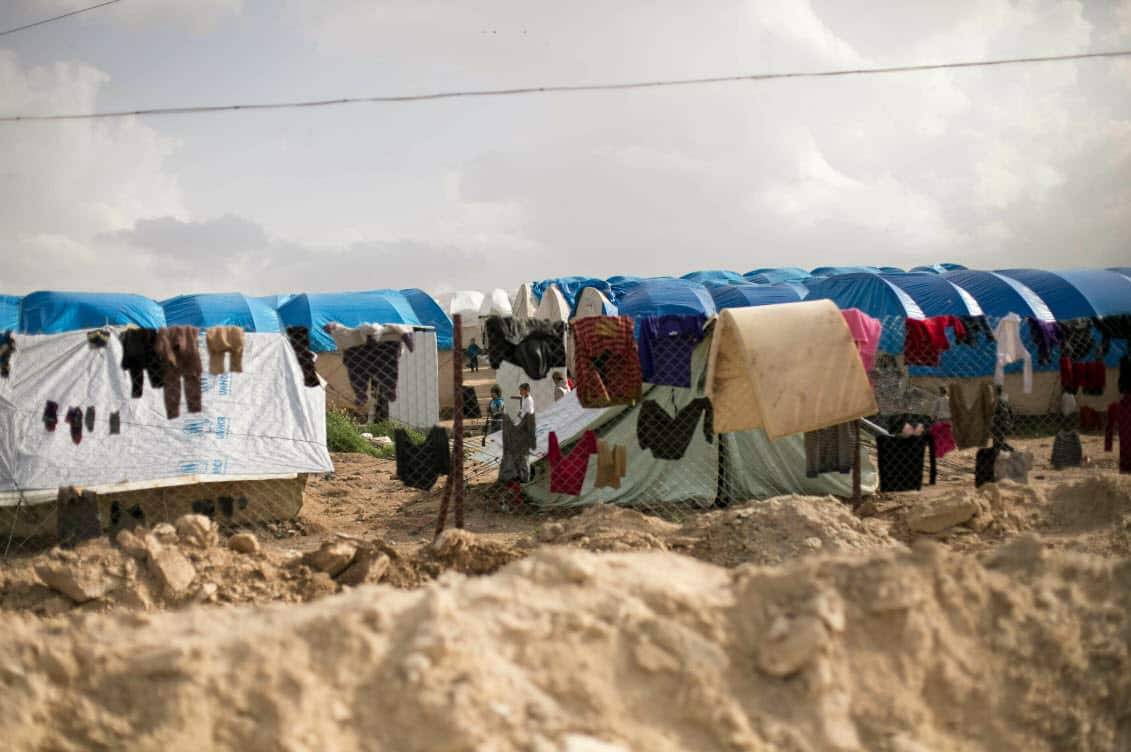
Al-Hol camp is bursting with Syrians, Iraqis and people from more than 40 other nations who fled successive US-backed assaults led by the Kurds against the last bastions of the Islamic State group's "caliphate".
News that makes sense
Your trusted source for staying up-to-date with the world around you. Get free daily news updates and analysis, straight to your inbox.
An AFP correspondent in Al-Hol saw at least 17 buses leaving the area with women and children on board, en route to their hometowns in the province of Raqqa.
"800 civilians have started leaving the Al-Hol camp aboard buses taking them to their hometowns in Raqqa and Tabqa," said an official with the Kurdish administration in northeast Syria.
"In the coming days, there will be other batches of civilians who will (also) be taken to liberated and safe areas," Sheikhmous Ahmed told AFP, referring to towns and villages recaptured from IS.
Al-Hol is crowded way beyond capacity and populated by suspected IS members, their families as well as regular civilians who were forced out of their homes by the fighting.
'Leave this filth'
"I am happy to go out and leave this filth," said Maryam Ahmad, a 27-year-old Raqqa native whose husband is still being held on suspicion of actively working for IS.
Some children were seen with identification tags hanging around their necks, while others had their name and a phone number scribbled on their hands.
Monday's transfer follows an agreement brokered by the Kurdish administration and Arab tribal leaders during a meeting in the town of Ain Issa last month.
It is to be the first in a larger wave of releases that aim to empty Al-Hol, whose population is currently estimated at 74,000, of its Syrian residents.
The next batch is expected to follow the Eid al-Fitr holiday marking the end of the Muslim holy month of Ramadan this week.
Some of the evacuees from IS areas have been repentant, but others have made clear their allegiance to IS remains intact, turning Al-Hol into a tinderbox.
Ahmed said the Kurdish administration had decided to release the Syrian inhabitants of Al Hol because "the situation in the camp is very difficult".
He accused the international community of "neglecting its responsibilities towards the displaced" in Al-Hol.
Speaking of Monday's batch, Ahmed said that some of those leaving Al-Hol had been "influenced" by IS's radical ideology.
Reintegration
"They will be monitored and reintegrated into their societies," Ahmed said.
The vast Arab regions in the Euphrates River valley that were IS's heartland are only loosely controlled by the Kurdish-dominated Syrian Democratic Forces.
The US-backed force does not have the manpower to fully administer the areas it conquered.
An operation launched by the SDF in September 2018 was wrapped up in March with a final victory against diehard jihadists holed up in the village of Baghouz.
While the Kurds have started sending Syrians back to their hometowns, the fate of non-Syrians remains unclear.
Plans are afoot for the repatriation of thousands of Iraqis who also live in Al Hol.
Even more complex from a diplomatic point of view is the plight of the many Westerners who travelled to the region in support of the "caliphate" after its proclamation in 2014.
On Monday, the Kurdish authorities announced that five orphaned children from Norway were handed over to a visiting delegation.
Norwegian siblings
"Following a request made by the Kingdom of Norway ... five Norwegian orphans related to IS jihadists were handed over to a delegation from the Norwegian foreign ministry," they said in a statement.
"The aim is to rescue the children from the atmosphere of extremism, and to enable them to go back to their countries and get proper rehabilitation and be reintegrated into their communities," the Kurdish statement said.
Norwegian media outlets reported that the five orphans were siblings born to a 30-year-old Norwegian mother and a 31-year-old African father.
They said the mother, who travelled to Syria in 2015, was missing and the father believed to have been killed.
Other countries such as France and Belgium have much larger contingents of nationals still being held by the Kurds in northeast Syria.







