In January 2009, Michael Piacentini was driving his usual route to work over the Westgate Bridge when he spotted a 4WD pulling over.
As he drove by he looked in his rear vision mirror and saw a man lift a young girl from the car, walk to the edge of the bridge, and throw her into the water 58 metres below.
Michael describes the event as unreal.
“I doubted what I saw, I thought did I actually see what I just saw?” he tells Insight.
Being witness to that murder changed Michael, he remembers that young girl every time he travels over the Westgate Bridge.
News that makes sense
Your trusted source for staying up-to-date with the world around you. Get free daily news updates and analysis, straight to your inbox.
“I’d say a little prayer to myself every time I’d go over the bridge.”
In 2014, Robert Strange witnessed the brutal murder of a colleague. Following the event he developed PTSD, became reclusive and was extremely paranoid for several months.
“You’re expecting someone to come through the front door with a gun, expecting someone to shoot the windows of the house.”
As the sole witness of the event Robert played a crucial role during the trial.
Witnesses can have a vital role throughout the criminal trial of an accused person. Recalling details of the event in a courtroom can be particularly confronting and stressful.
K.A Whyte gave evidence in the trial of former Comancheros bikie boss Mick Hawi, who was charged and convicted of manslaughter in the violent 2009 Sydney airport bashings.
She found the trial extremely stressful.
“When it was going on...it undermines your self-confidence and your self-esteem and you sort of think ‘oh, my gosh, why did I ever get involved’?”
Criminal trials can be held months or years after the crime occurs and witnesses can be asked to recall and provide very detailed accounts of what occurred.
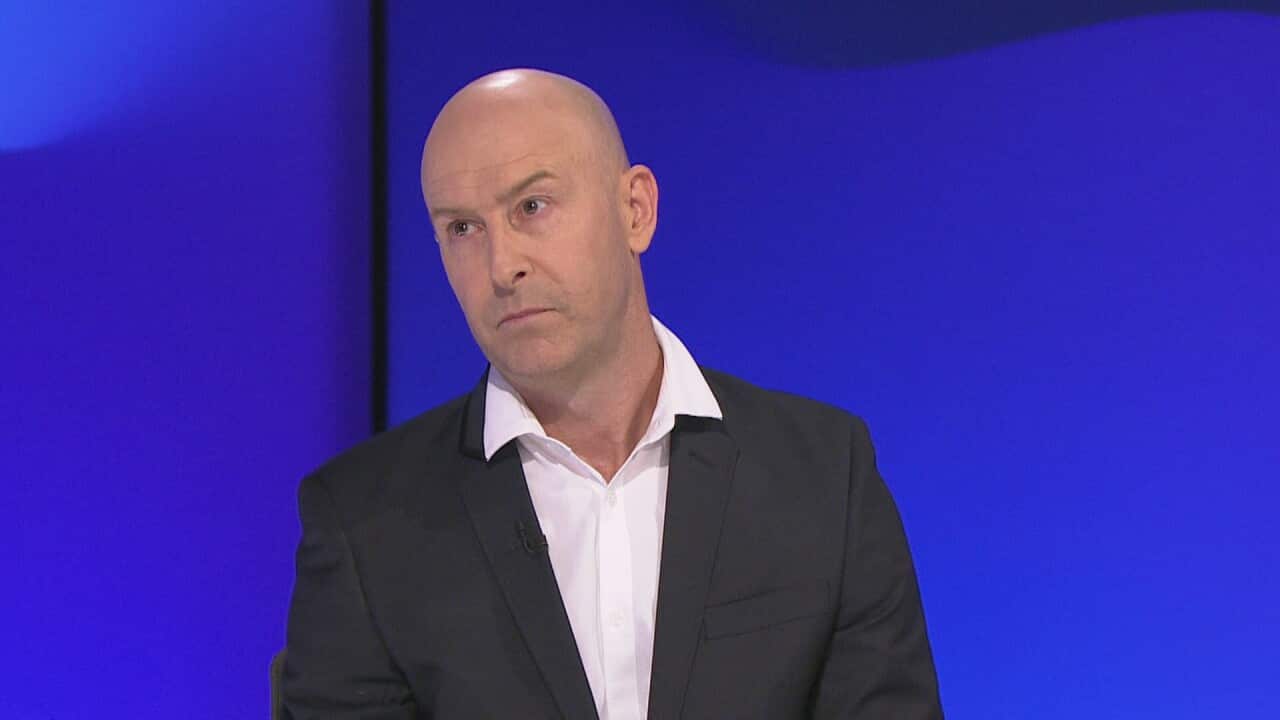
Forensic psychologist, professor Richard Kemp, explained to Insight’s Jenny Brockie that our memory doesn’t give us an absolute record.
“It’s not a recording device. What we remember is only partly determined by what happened. Lots of other things come into play.”
Richard explains that each person can have a different memory of the same event. And eyewitness accounts are unreliable.







