
Grain farmers in parts of Victoria's Mallee and Wimmera districts are coming off a devastating season with some barely able to harvest.
Despite predictions of another dry season, they're counting on good advice, experience and technology to improve this year's yields.
Across the country, grain farmers are hoping timely dumps of early winter rain will get freshly sewn crops off to a favourable start.
Grain farmer Brad Martin is pensive as he prepares to sow his final barley paddock of the season. This year, he'll crop 1,800 hectares of this southern Mallee farm.
“The hardest part is you're pretty much watching your crops die in front of your eyes day by day."
Mr Martin said it was important to remain optimistic, but memories of 2014 are difficult to avoid.
“The hardest part is you're pretty much watching your crops die in front of your eyes day by day and you know that it's not going to be good but the full ramifications obviously don't hit until after harvest,” he said. In Victoria's wheat belt, the weather bureau's forecast of an El Niño or prolonged dry spell is far from welcome.
Crops in Victoria's Mallee region. (Luke Waters/SBS) Source: SBS
Birchip Cropping Group Chief Executive Chris Sounness says everyone feels the pinch, including small businesses in the district’s small towns.
“People were very conservative with their spending which flows through so the small businesses lose confidence,” Mr Sounness said.
In parts of the southern Mallee last year's annual rainfall was about 60mm below average, which for some farmers signals the difference between a $250,000 loss – or a profit exceeding half a million dollars.
But Mr Sounness said yields weren't determined entirely by rainfall.
“You need to be aware of those, however, in the end, you really got to focus on what you can control. And research and development is going to be the key getting that innovation in the paddock getting it adopted as soon as possible,” Mr Sounness said.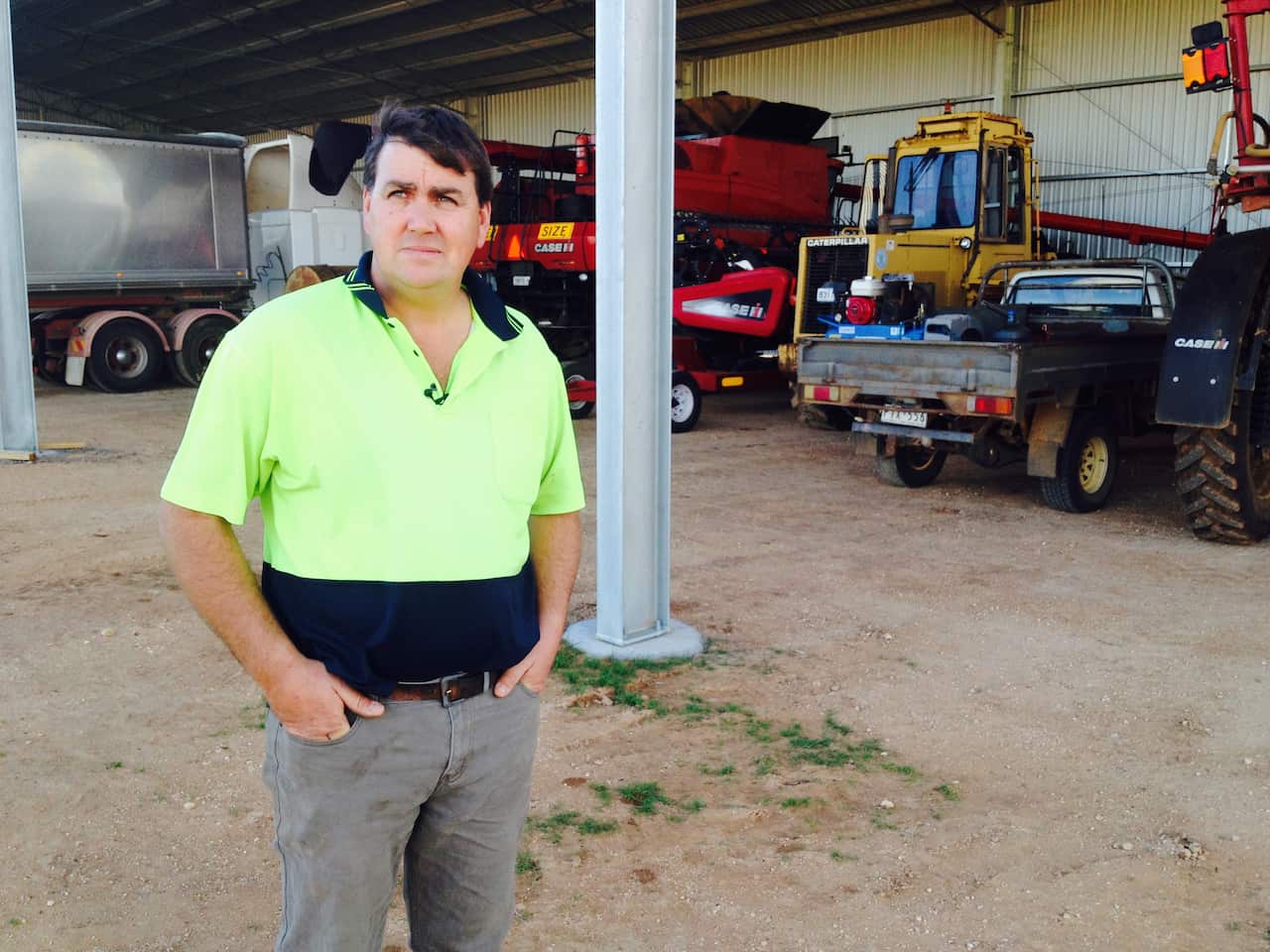 It's a philosophy embraced by Patchewollick farmer Jamie Frankel who has diversified into legumes and lupins, instead of traditional staples wheat and barley.
Grain farmer Jamie Henkel hopes for decent rains this season. (Luke Waters/SBS) Source: SBS
He says he also pre-sells some grains and uses GPS guidance to preserve paddocks and improve yields
“We will shift it across from one year to the next so we're not seeding right on the straw row from last year,” Mr Frankel said.
But in a district where rainfall makes or breaks, all eyes will unavoidably remain on the sky.
Share


