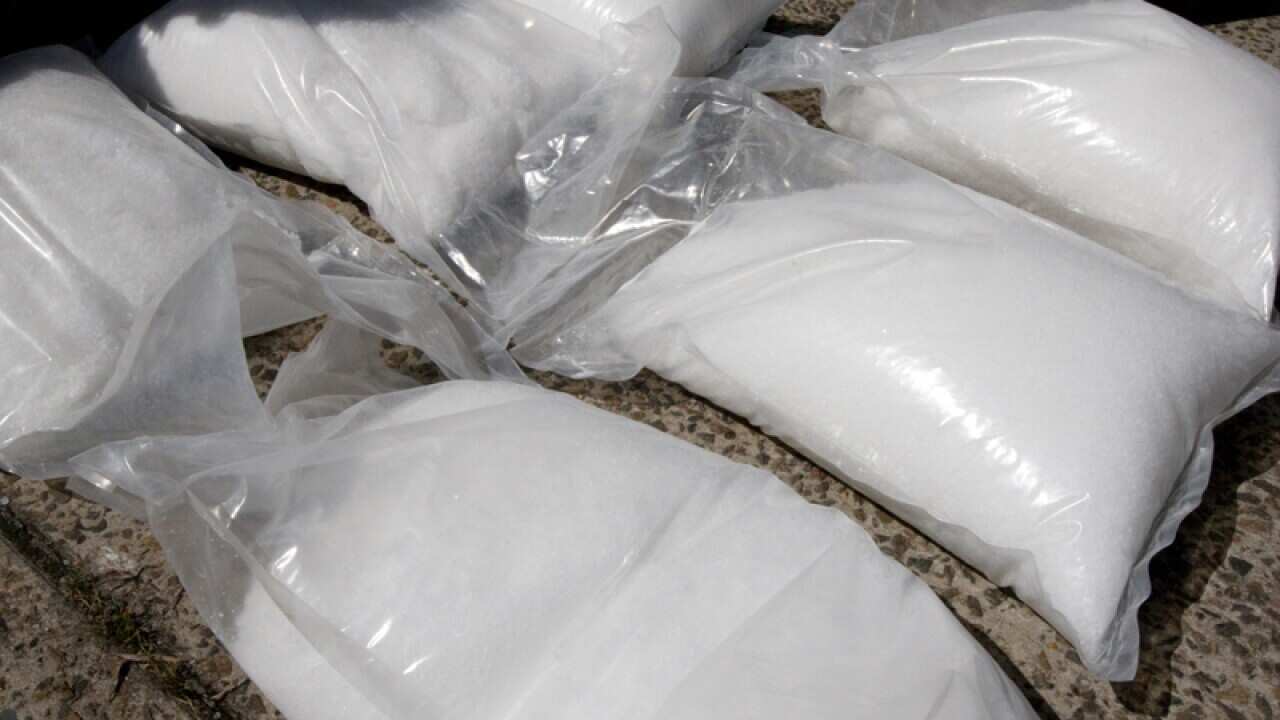
Acute health problems caused by crystal methamphetamine use have spiked sharply across Victoria in recent years, but especially in regional areas, research shows.
Ambulance crews attended 198 per cent more call-outs to deal with acute health effects from the drug, also known as ice, in the 2012/13 financial year compared with the previous year.
In metropolitan Melbourne, acute ambulance call-outs rose by 88 per cent over the same period.
The figures were compiled by Ambulance Victoria and drug and alcohol treatment and research group Turning Point in the Trends in Alcohol and Drug-Related Ambulance Attendances in Victoria 2012/13 report, to be launched on Thursday.
Turning Point researcher Belinda Lloyd called for government, health agencies, community groups, law enforcement bodies, business and residents to work together solve the prevalence of ice across the state.
She said the figures only represented acute cases and did not address overall ice use.
"Certainly the evidence suggests that the level of use is increasing overall, but this increase in acute health harm is a cause for concern," she said.
"We need more information and we need to be more innovative in the way that we address those issues."
Acute health effects include mental health conditions such as anxiety, paranoia and psychosis; injuries caused by falls, motor vehicle accidents or violence; and physiological symptoms such as heart palpitations and shortness of breath.
Dr Lloyd said increased availability of ice, increased purity and changes in the way the drug is ingested could be factors in the spike in acute ambulance call-outs.
"Crystal methamphetamine has been available in larger cities and particularly in the inner suburbs, but now it is a lot more common in regional and remote areas," she said.
Dr Lloyd said the ice epidemic was prominent in those regions but affects the whole state.
The report found acute ambulance call-outs for cannabis and ecstasy had risen 51 per cent and 61 per cent respectively in 2012/12.
Over the same period, cannabis and ecstasy call-outs rose 58 per cent and 62 per cent respectively in regional Victoria.
Share


