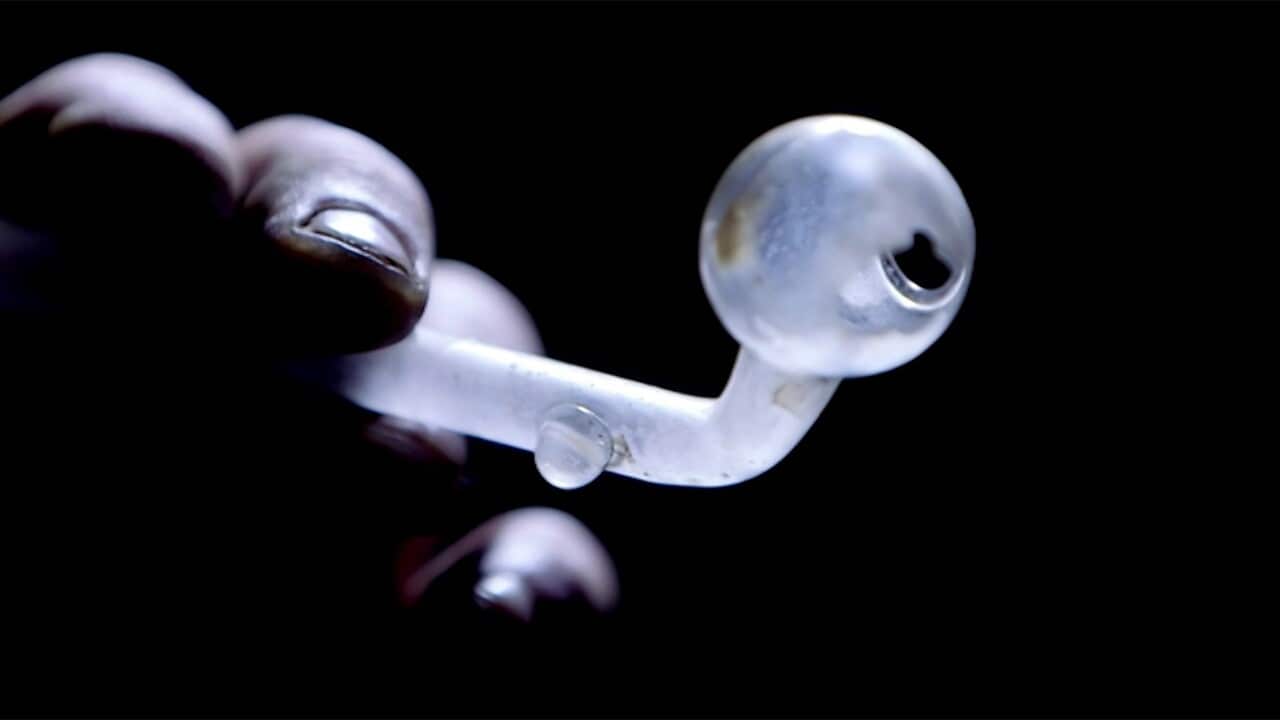
Amphetamine addiction has become the leading problem for one in two people seeking treatment for drug and alcohol dependence, figures show.
An annual report released on Monday by Odyssey House, Australia's largest rehabilitation service, revealed 49 per cent of Sydney clients cited amphetamine type stimulants, like ice, as their main reason for seeking treatment.
Odyssey House CEO Julie Babineau said it was simply a matter of supply and demand.
"The reason that people in addiction like it (amphetamines) is that they can get it more pure, they really get their kick right away and it is a lot more addictive," she told AAP.
News that makes sense
Your trusted source for staying up-to-date with the world around you. Get free daily news updates and analysis, straight to your inbox.
"It is more accessible and cheaper."
"That is also why alcohol has been stable over the years. It is legal and it is readily available so when things get too expensive or it is hard to get people will substitute the drug with alcohol."
Alcohol remained a significant problem during the year, nominated by 20 per cent of clients as their principal drug of concern, down 9 per cent from 2015.
While addiction to heroin and prescription opioids was down 45 per cent on the previous year, Ms Babineau warned there could easily be another surge.
"It fluctuates more than shares," she said.
Odyssey House had a 164 per cent rise in opioid admissions last year and a 20 per cent fall in amphetamine admissions.
She said if one drug isn't available on the market, addicts will turn to the other.
"It is really a question of accessibility, cost and the purity of the drug that they want," she said.
"They need something everyday, they need something all the time."
The average age for first intoxication with alcohol or other drugs was as young as 12-13 years old, compared to 16-17-year-olds noted in 2003.
"I think it is incredibly sad to see people at that age have their first intoxication and I suspect there is a big issue with society in general,."
Ms Babineau said the federal government funding - $75 million over four years - could fill more beds and treat a greater number of people.
"My hope is that a lot of this money finds its way to the frontline to delivery its services," she said.
"In some way it is probably a bit late, but in my view I am an optimist, better late then ever."







