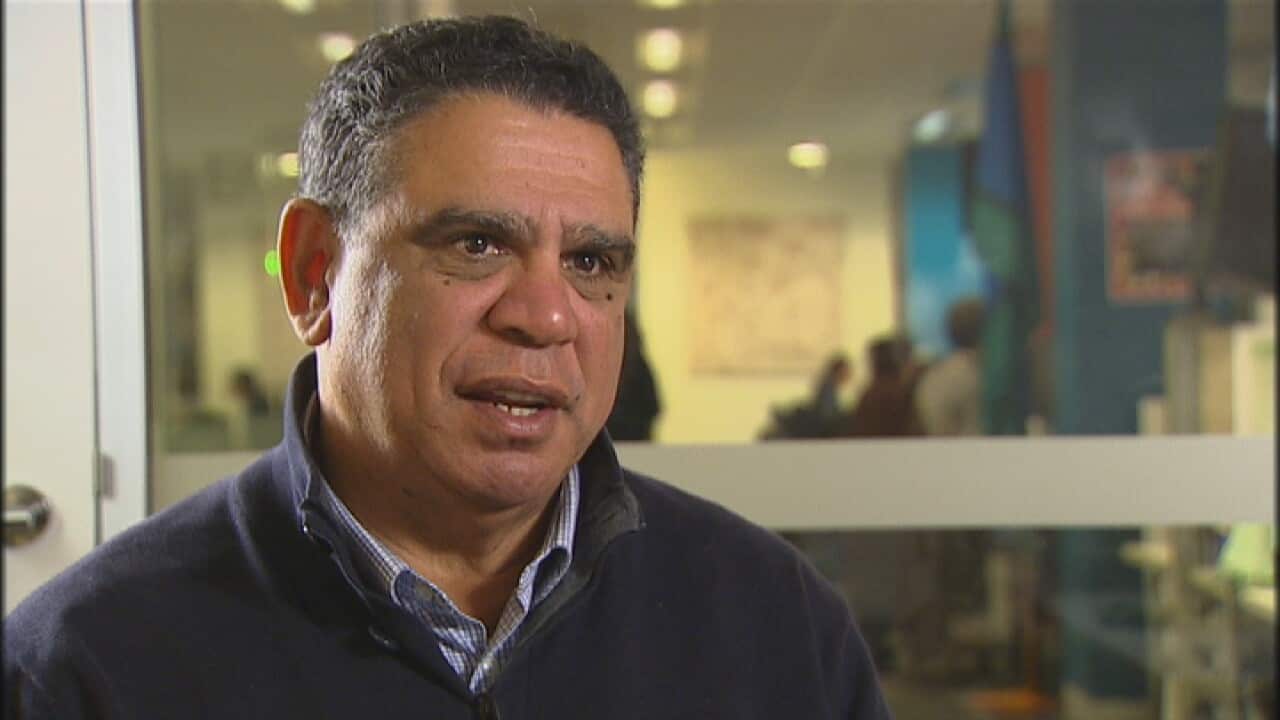
Mark Ella's rugby career was brief, but nothing short of remarkable.
Despite retiring at just 25, he played 25 tests, including 10 as captain. But his identity was shaped growing up in a family of 12 in the Sydney suburb of La Perouse.
"I lived a lot my life overseas and I've traveled a lot," he said. "But I'll always reflect back on my childhood and the way I grew up and how important growing up with my mum and dad and the rest of my family in the mission.
"It was just a great environment. A typical day in summer was going down swimming all day, diving for coins, catching fish, swimming for crabs. It was wild.
"Mum would say, 'I'll see you at dinner time'. What about breakfast and lunch? She said, 'What about it? You guys fend for yourself.'"
News that makes sense
Your trusted source for staying up-to-date with the world around you. Get free daily news updates and analysis, straight to your inbox.
It sounds rough, but Mark never saw it that way. He felt his upbringing and heritage played a big role in making him appreciate what's good about life.
"There were no hardships. We didn't know any different in those days," he said. "I guess a normal Australian family would've thought six boys living in one room was pretty crap, but where we grew up, in our environment, it was the norm."
There may have been a shortage of room, but there was certainly no shortage of love and attention from his parents.
"I think all my brothers and sisters can say without mum and dad, they wouldn't be where they are today," he said. "Mum and dad were pretty strong in the whole family getting a good education, which we did.
"They would have watched every game I played, my sister played, my younger brothers, my older sisters. They were just everywhere. They just dominated. They gave us their time."
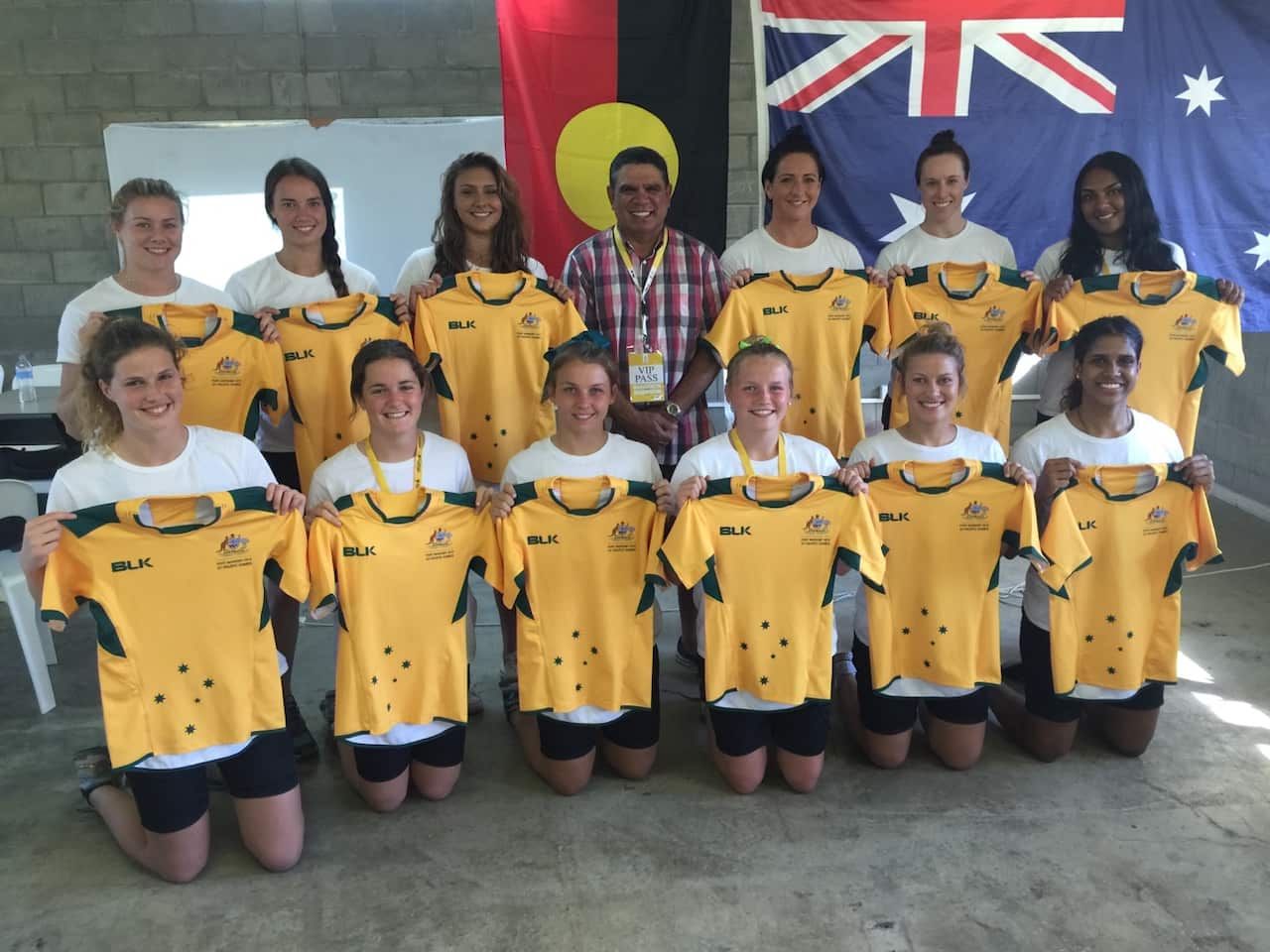
Before rugby would make Ella and his brothers household names, the game was also a powerful tool in bringing other communities into the fold.
"When my brothers and I were playing through school it was like the circus had come to town, y'know, watch these black kids play rugby," he said. "In the early days we had a bit of racism, but once we started going up the hierarchy, getting selected in junior representative sides and senior representative sides, a lot of that racism quickly died away."
It's been 30 years since Ella retired from rugby, but he's still revered around the world.
"Rugby's been really good to me (and) my family," he said. "It's made us respectful.
"We've been around the world a thousand times. We know what's important, what's not important, we sort of now look at ourselves as role models and we've got to inspire the next generation to emulate what we've done."







