This audio is voiced by AI and may occasionally mispronounce words.
Share your feedback and help us improve this feature. Read more about how we use AI at SBS here.
This article contains references to sexual assault.
Radhika Yadav harbours a fear no child should: that she'll be forced to marry before she turns 18.
In Nepal, where the 13-year-old lives, it's one shared by millions. The country is home to five million child brides, and Yadav knows she could soon become one of them.
For a while, however, she thought she'd found a way to escape that fate.
UDAAN, an education program run by CARE International for girls aged 10 to 14 who have never attended school or dropped out early, gave her a glimmer of hope. The intensive 11-month curriculum is designed to transition girls into formal education and help open doors to them that poverty and tradition had slammed shut.
News that makes sense
Your trusted source for staying up-to-date with the world around you. Get free daily news updates and analysis, straight to your inbox.
Then, in 2025, funding for the program — CARE says the name means "flight" or "flying high" — was cut and the school closed overnight. Yadav and 307 other girls were sent home; their daily studies replaced with daily chores.
"Before, I was learning new things every day. I was excited about going to school again," Radhika told CARE International.
But now, I feel lost.
Yadav's mother, Sundar Kala, watched her daughter transform at UDAAN — learning to read, write, count and speak up for herself. After the program stopped, she watched that confidence drain away.
"When UDAAN closed, I was heartbroken," Kala says.
"Without education, the risk of early marriage looms large."
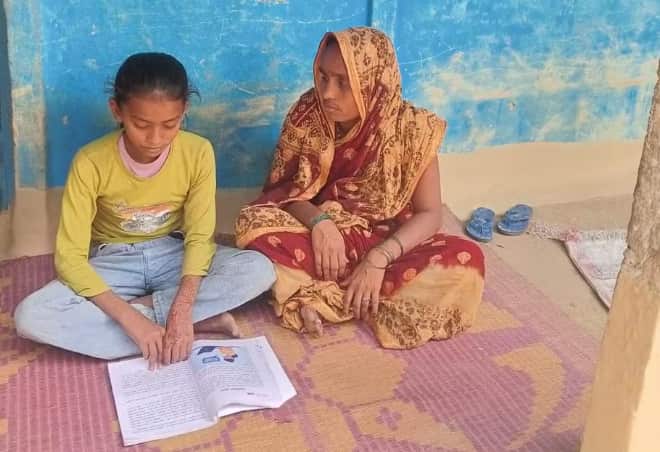
For girls in disadvantaged communities in Nepal, the risks multiply. School attendance means sacrificing immediate income, as girls are often required to work to earn money for their families. So, when resources are scarce, sons take priority.
Yet girls who don't go to school are far more vulnerable to early marriage, gender-based violence and trafficking, including to India and the Gulf states, where they may be forced into domestic servitude or exploitative labour.
The funding cuts at UDAAN impacted more than 300 girls, but this is a global problem.
Approximately 12 million girls are married before the age of 18 each year, according to the Institute of Global Politics, which warns that "significant cuts in foreign assistance" are slowing or even reversing progress.
UNICEF USA warns that steep cuts to global education funding could push six million more children out of school in the coming year.
Historic aid cuts
Yadav's story is part of a global crisis that began on 20 January 2025 — United States President Donald Trump's first day back in office.
Trump ordered a near-total freeze on US foreign aid, and on 1 July, the United States Agency for International Development (USAID) was shuttered. Some 83 per cent of its programs were cancelled, and its remaining functions were absorbed into the State Department.
Aid organisations scrambled in the aftermath: UN agencies reliant on the funding shed staff, developing countries lost huge chunks of their health and education budgets, and services were cut or abandoned in countries that needed them most.
Until its closure, USAID was the world's largest foreign aid agency. A 2025 Lancet study estimated that over the previous two decades, the agency's funding prevented 91.8 million deaths — including 30 million children under five — by driving down deaths from HIV/AIDS, malaria, tuberculosis, malnutrition, diarrheal diseases, respiratory infections, neglected tropical diseases, and maternal and perinatal conditions.
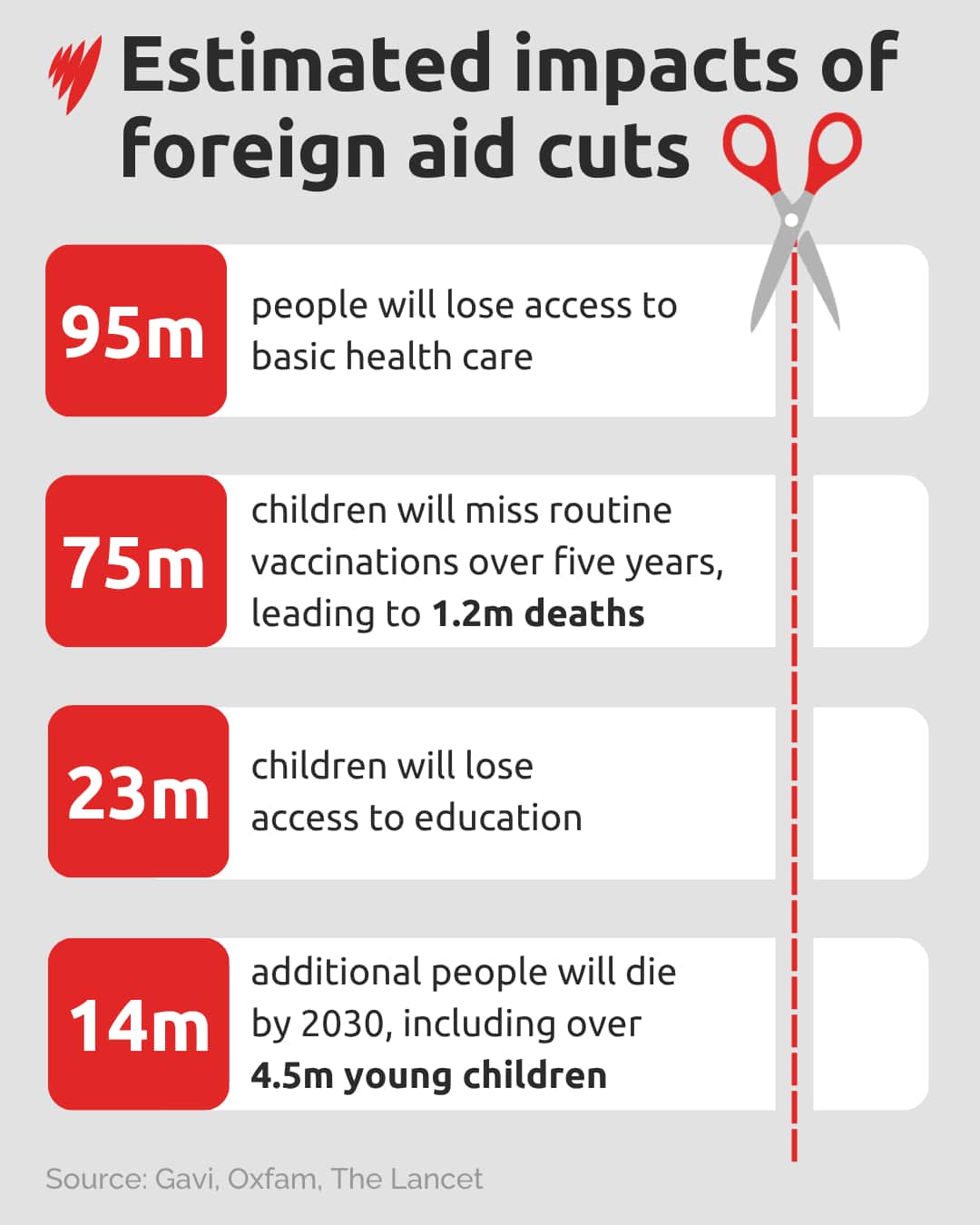
The same research forecast that its funding suspension could cause more than 14 million additional deaths by 2030 — around three million a year.
A year on from the cuts, there is a lack of empirical data to illustrate the scale of the impacts. But Eeshani Kandpal, a senior fellow at the Center for Global Development (CGD) in Washington DC, which is now modelling those impacts, says disease outbreaks have already intensified in parts of the developing world where US funding for sanitation, hygiene and water has declined.
"A cholera epidemic in sub-Saharan Africa in 2025 that started at the same levels as similar epidemics in 2023 and 2024 was significantly deadlier," Kandpal tells SBS News.
According to the CGD's research, an estimated 7,500 people died as a result of the 2025 outbreak — nearly double the fatalities recorded for the previous two years.
Along with significant changes to health and mortality outcomes, the effects of USAID cuts are rippling through communities in ways that are harder to measure but no less devastating, Kandpal says.
"The funding helped keep kids in school, communities build climate resilience and empower women entrepreneurs.
"What we are hearing repeatedly from folks on the ground is a significant increase in severe and acute malnutrition cases. There are spillovers through communities and will be felt across many dimensions."
Shortages of life-saving treatments
A tragic scenario is playing out in the Democratic Republic of the Congo (DRC), where sexual violence has now reached epidemic levels.
Late last year, the United Nations Population Fund reported that more than 80,000 instances of rape had been recorded in eastern DRC over the first nine months of 2025 — representing a 32 per cent increase compared with the same period in 2024.
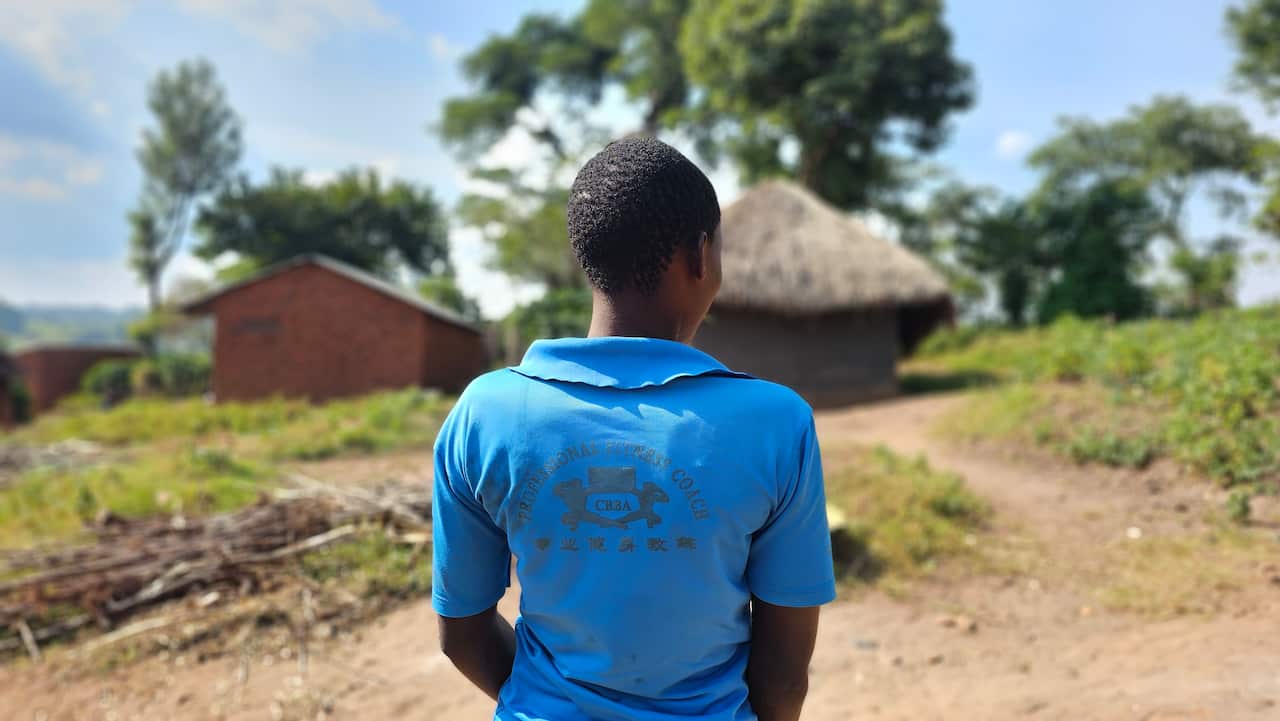
Two years ago, Neema was ambushed by two men as she walked home from school in eastern Congo. The 16-year-old was dragged into the bush and raped.
Neema, whose name has been changed for privacy reasons, had heard from members of her community that survivors could find help at the local health centre.
"I heard they keep it confidential and support girls like me. So I immediately went there to seek help," she told CARE International.
Staff gave her a post-exposure prophylaxis (PEP) kit, a package containing HIV prevention drugs — which must be taken within 72 hours to be effective — antibiotics, emergency contraception and pregnancy tests. They also gave her soap, a cloth and other essentials.
For survivors like Neema, a PEP kit can be the difference between recovery and lifelong consequences.
The support I received here changed my life. Without the project, my life would have been very different.
Two months after USAID funding was initially paused, most stocks had already run dry. Women now walk for hours — sometimes days — to reach a clinic, only to be told there are none left. CARE International estimates that 3.5 million people had lost access to the kits by December last year.
Dr Manenji Mangundu, country director for DRC at Oxfam International, describes the impact of funding cuts as "really serious" in a country that has been at war since early 2025, when Rwanda-backed rebels started to seize territory in eastern DRC, displacing millions.
He says US cuts to foreign aid have devastated the humanitarian response in eastern DRC — slashing UN World Food Programme (WFP) budgets, eliminating 60 per cent of humanitarian aid workers, and cutting 75 per cent of total funding in the region, leaving 26.6 million people in need of food assistance and 4.3 million in acute food crisis.
He adds that supplies of contraceptives and HIV prevention drugs — such as those that helped save Neema — have now completely run out, with UK funding cuts adding to the burden.
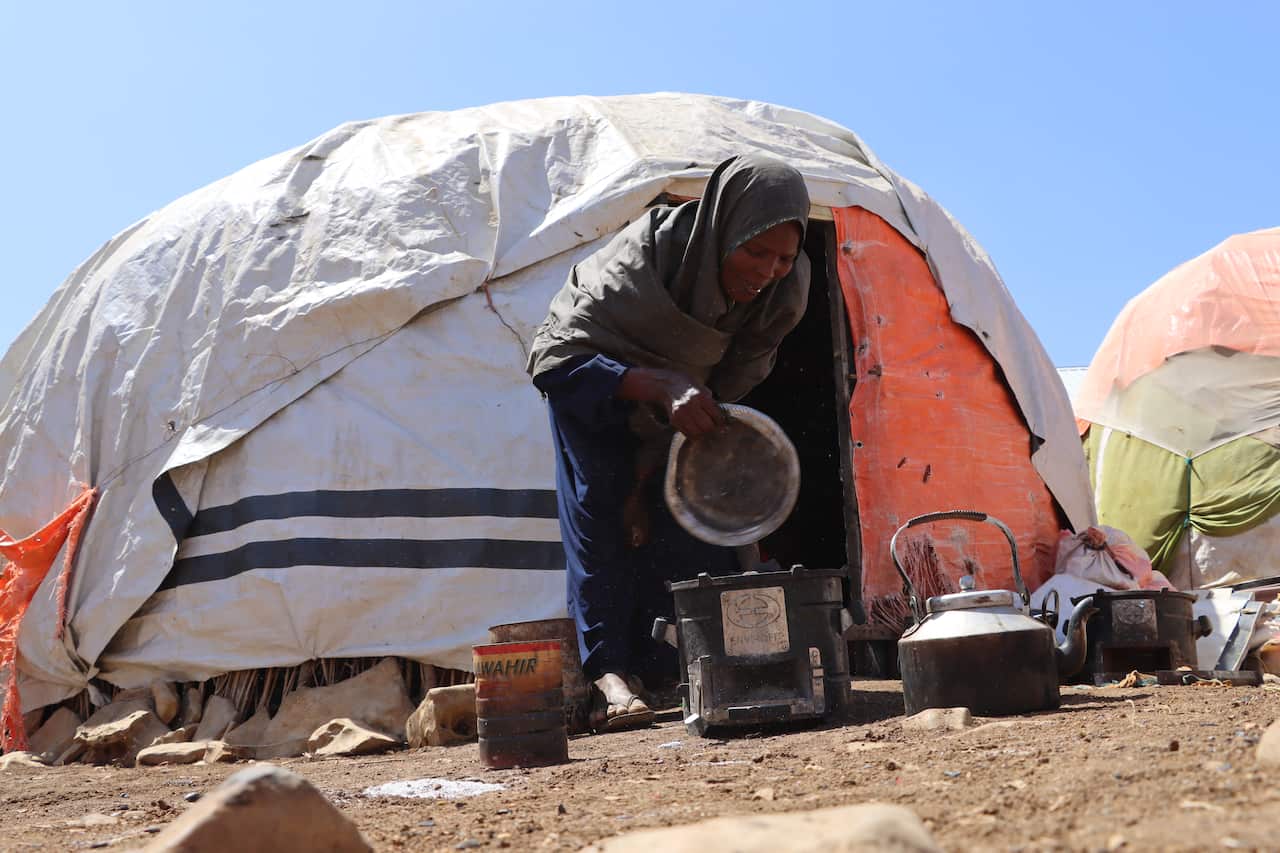
"Women who are sexually violated cannot be assisted and people are failing to access medical treatment for things like malaria, tuberculosis and cholera," Mangundu tells SBS News.
"Because of the war, they're so crowded in the camps, the disease easily spreads. People are dying.
"People [in DRC] don't understand the international community because they're abandoning them when they really need them."
DRC and neighbouring Uganda are now trying to cope with a raging Ebola outbreak that the World Health Organization says could swell to be the largest on record.
As a direct result of the funding cuts, US assistance to Africa has fallen to its lowest level in a decade.
And with USAID having scaffolded every Ebola response in DRC since 2014, the first outbreak of the post-USAID era is proving disastrous.
Global consequences
The suffering exacerbated by the aid cuts reverberates worldwide.
Tahliil Abdulahi Cali lives in Somalia's Mudug region, where three years of drought have wreaked havoc on communities and livestock. One hundred and fifty of Cali's goats have died in that time, and his children are now showing signs of malnutrition.
"The rain patterns have changed unexpectedly," he told Médecins Sans Frontières (MSF).
"The animals died, destroyed by the droughts. Life is so harsh."
Cali is comparatively one of the lucky ones — unlike 3.3 million Somalis who have been displaced, he still has his home.
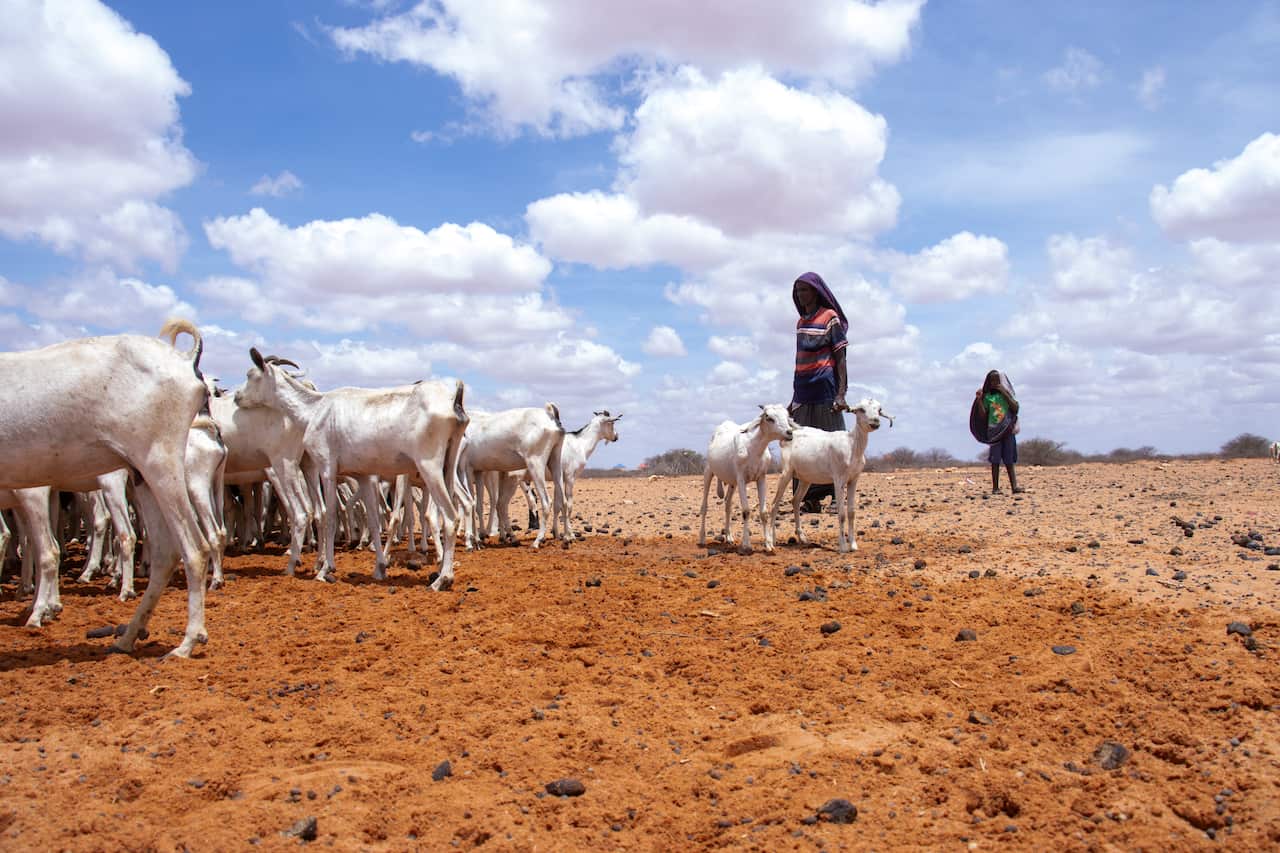
But just as the nation's needs are surging, funding has collapsed. Only a tenth of Somalia's humanitarian response plan for 2026 is funded, according to the UN.
The WFP, which received significant funding from USAID, has cut emergency food assistance from over two million people to just 600,000, according to MSF — meaning just one in seven Somalis who need food assistance is now receiving it. More than 300,000 people have also lost access to safe water, as a direct result of underfunding.
"What we are witnessing across the displacement sites is a scale of need that exceeds what any single organisation can address alone," Mohammed Omar, MSF's head of program in Somalia, says.
"We call on the international community and governments to urgently step up their support now, with sustained and flexible funding, before more lives are lost to entirely preventable causes."
Suffering due to aid cuts echoes elsewhere. In Yemen, for example, healthcare clinic closures are fuelling infectious disease outbreaks, while in Rohingya refugee camps in Bangladesh, the withdrawal of UN agencies has triggered dengue fever outbreaks and threatened basic hygiene supplies.
In Syria, funding cuts have disrupted the management of the al-Hol and al-Roj refugee camps, which house more than 46,000 displaced people, and in Haiti, organisations have lost funding for contraception, PrEP and HIV peer education.
Across Afghanistan, hundreds of medical clinics have closed. Almost nowhere needing aid is untouched.
Aid reduces conflict
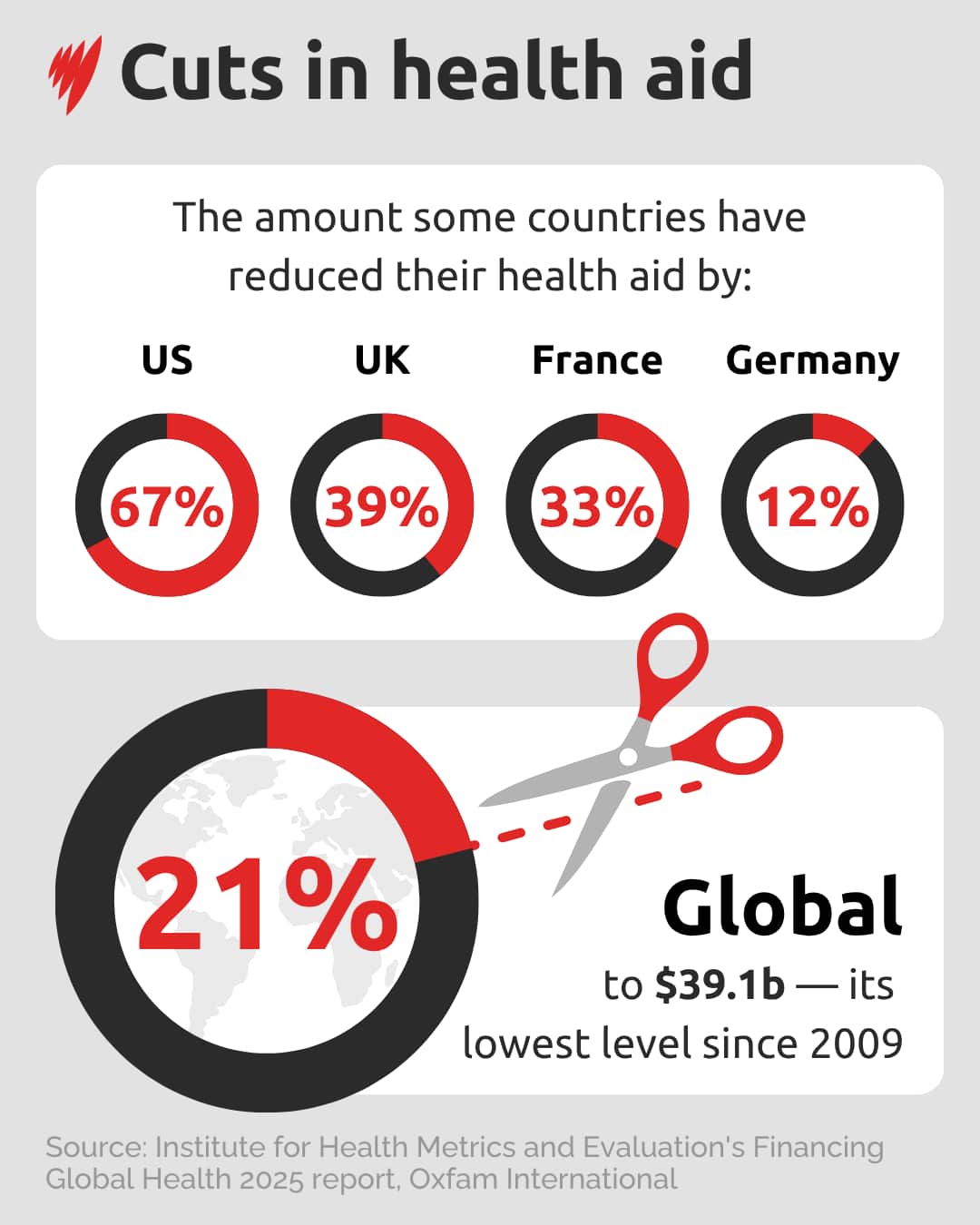
Although the USAID cuts have dealt the biggest blow, the US isn't alone in stripping back foreign aid funding. Multiple European countries have simultaneously slashed their aid budgets, and while Australia has held steady, Plan International Australia CEO Susanne Legena says "it's nowhere near enough".
"The devastating consequences of the mass aid cuts that have swept across the world over the past year are now painfully clear," Legena tells SBS News.
She believes Australia's investment in international aid is crucial to the peace and stability of our region.
"While aid has had a modest 2.5 per cent increase, an additional $53 billion will be spent on defence over the next decade. Security cannot be achieved through defence alone," she says.
"Investing in aid and development, and tackling global poverty, injustice and hunger, is an important way to ensure peace and prosperity in the first place."
Research backs her up. A 2026 paper co-authored by David Ubilava, associate professor of economics at the University of Sydney, tracked conflict in 44 African countries following USAID's suspension and found that cutting aid doesn't just cause a humanitarian crisis — it directly fuels violence.
The paper reports that the abrupt funding cuts triggered a 12 per cent rise in armed conflict between organised groups in heavily aid-dependent countries, followed by a 10–14 per cent increase in militia violence against civilians as a result.
There are several theories why: the loss of income and welfare support pushing people toward crime; aid offices and warehouses becoming targets for looting once vacated; and the removal of the stabilising presence that funded organisations often provide in fragile communities.
"When we reduce aid, conflict intensifies," Ubilava says.
If we believe the 10 per cent — or thereabouts — increase in political violence attributed to the USAID shutdown, then this likely translates into hundreds of lives lost at least.
Back in Nepal, urgent funding mobilised by CARE International has reopened the UDAAN centres for two months — just long enough for Yadav to transition into Year 6 at a public school, where she remains focused on her studies.
But these emergency funds won't last — and may not be enough to help girls like Yadav into the future.
If you or someone you know is impacted by sexual assault, call 1800RESPECT on 1800 737 732, text 0458 737 732, or visit 1800RESPECT.org.au. In an emergency, call 000.
For the latest from SBS News, download our app and subscribe to our newsletter.







